

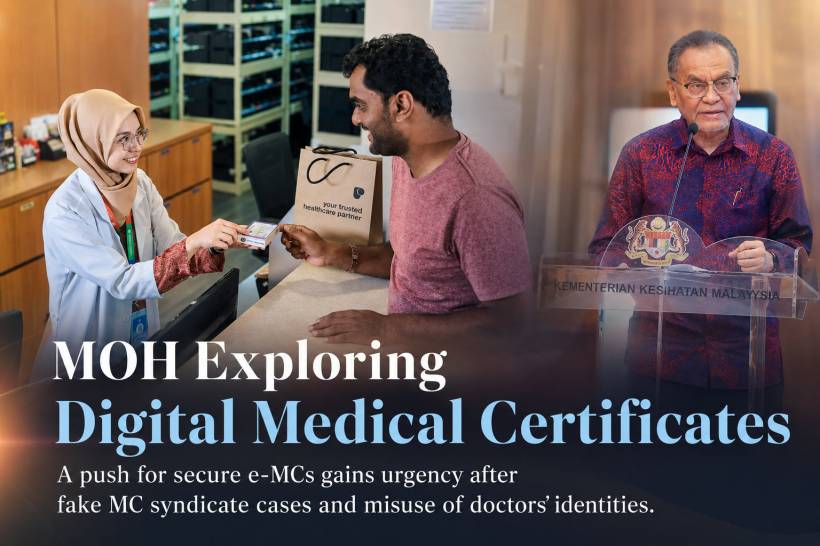
Malaysia's Ministry of Health (MOH) is exploring the possibility of introducing digital medical certificates, commonly known as e-MCs, following recent cases involving forged sick leave documents and the misuse of doctors' identities.
The issue has attracted attention after reports emerged of an alleged syndicate using the names, clinic details and professional registration numbers of real medical practitioners to produce and sell fake medical certificates. Beyond being a workplace misconduct issue, the case has raised wider concerns about patient trust, professional ethics and the security of healthcare-related information.
A More Secure Way to Issue Medical Certificates
Health Minister Datuk Seri Dr Dzulkefly Ahmad said the MOH's Digital Health Division has been asked to speed up its study into a safer and more reliable platform for issuing medical certificates electronically.
A properly designed digital MC system could make it easier for employers, healthcare providers and relevant authorities to confirm whether a certificate is legitimate. Instead of relying only on paper documents, stamps or signatures that can be copied or altered, an e-MC could potentially include secure verification features linked directly to the issuing healthcare provider.
The minister stressed that a medical certificate must only be issued by the doctor or medical officer who has examined and treated the patient. An MC is not merely a document used to justify an absence from work or school. It is a professional medical record that reflects a healthcare practitioner's assessment of a patient's condition.
Because of this, the misuse or falsification of MCs can damage confidence in both medical professionals and the wider healthcare system.
Fake Certificates Can Harm Trust in Legitimate Doctors
The latest concerns are linked to allegations involving a website known as "Holiday Master", which was reportedly offering fake MCs while using the identities of genuine doctors and registered private clinics.
For doctors whose details are misused, the consequences can be serious. They may face confusion from employers, patients or authorities who believe they issued documents they had never seen. Clinics may also suffer reputational damage when their names, stamps or registration details are copied without permission.
Dr Dzulkefly said the Malaysian Medical Council (MMC) will lead the investigation, together with enforcement agencies, to understand how the operation was able to function for such a long period. Authorities are also examining whether there were internal weaknesses or data security gaps that could have allowed doctors' registration information to be accessed and exploited.
This aspect is especially important because professional registration numbers, clinic details and official-looking stamps can make forged documents appear convincing at first glance. A digital system with stronger verification controls may help reduce the chances of such information being reused by criminals.
Police Investigations Expand in Pahang
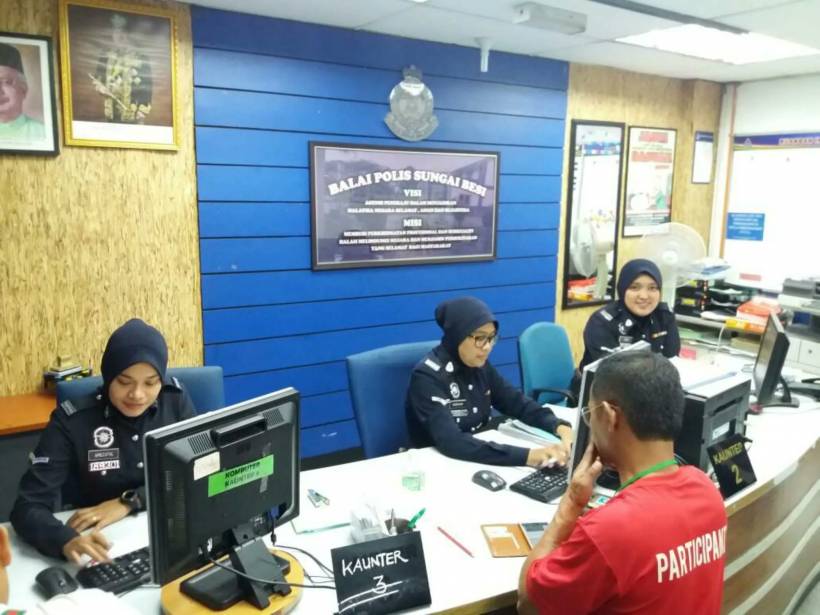
The MOH's comments come as police investigations into the fake MC trade continue in Pahang.
Earlier this month, police arrested three people in Pekan who were believed to have acted as intermediaries in an organised operation selling forged medical certificates. The documents were reportedly offered for prices ranging from RM50 to RM200.
Investigators found that some of the certificates carried the name of a medical officer who had already been transferred to another location in 2023. An outdated official stamp was also allegedly used, suggesting that the documents were created using old or improperly obtained information.
The investigation later widened to include several more individuals, including a nurse and others suspected of being involved in supplying, facilitating or purchasing the fake certificates. Police subsequently detained additional suspects believed to be buyers, bringing the total number of arrests connected to the case to nine.
Why Digital Verification Could Matter
A move towards e-MCs would not automatically eliminate fraud, but it could make forgery far more difficult when combined with proper security controls.
For example, a digital certificate could potentially be tied to a verified healthcare facility, a registered practitioner and a secure reference number. Employers could then confirm its authenticity through an official channel rather than relying only on the appearance of a stamp, signature or clinic letterhead.
However, any system introduced would need to balance verification with privacy. Medical certificates can contain sensitive personal details, so the platform would need strong safeguards to ensure that employers can verify validity without gaining unnecessary access to a patient's health information.
The recent cases are a reminder that digital transformation in healthcare is not only about convenience. It is also about protecting the credibility of medical professionals, reducing document fraud and maintaining public confidence in a system people rely on during genuine health concerns.
As investigations continue, the proposed e-MC initiative may become an important step towards making medical certificate issuance more secure, traceable and trustworthy across Malaysia.











Comments 0