

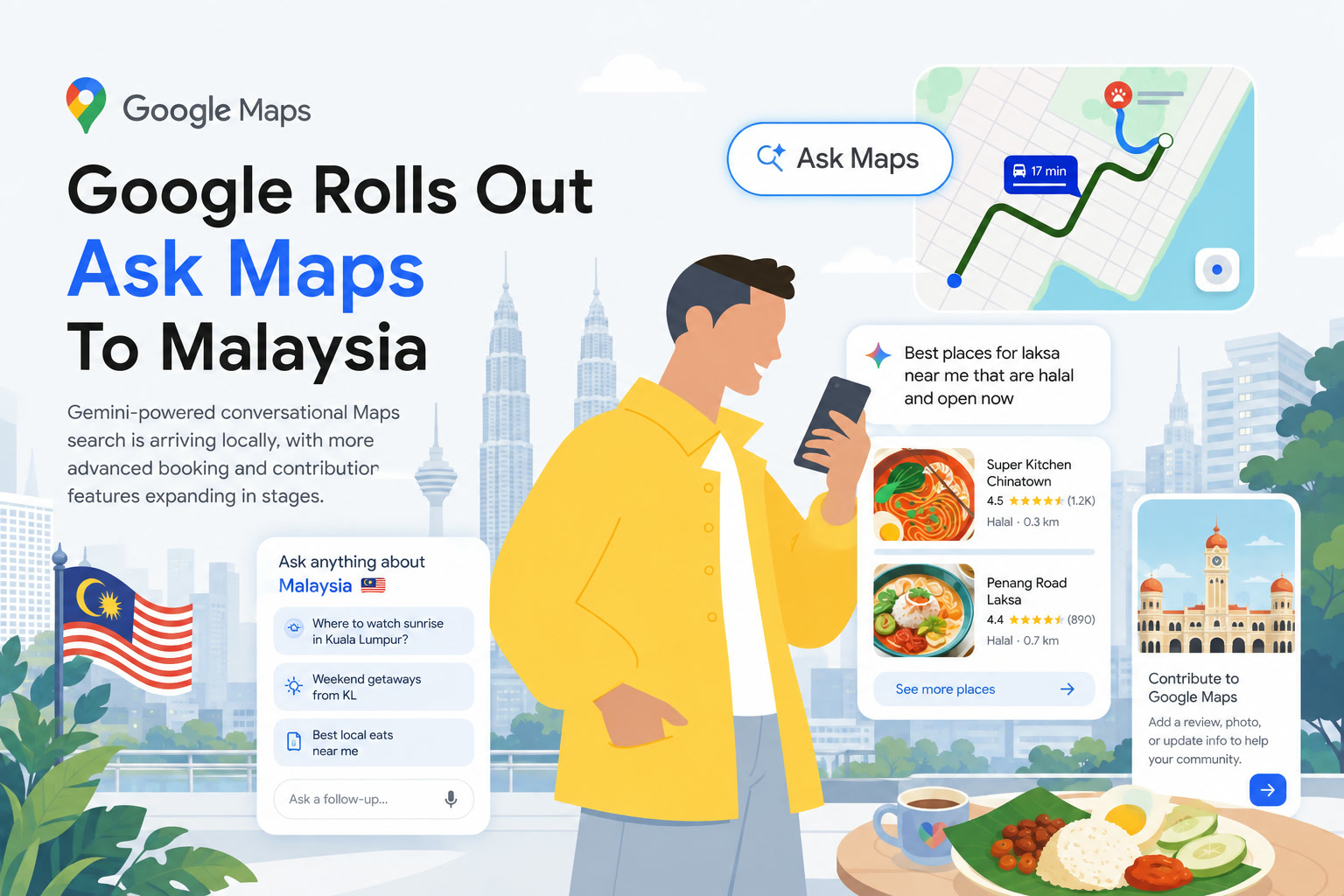
Google Maps is gradually becoming less of a traditional navigation app and more of an AI-powered travel assistant. After recently confirming that Gemini Spark is heading to Malaysia, Google has now announced that Ask Maps is also being rolled out to users in the country.
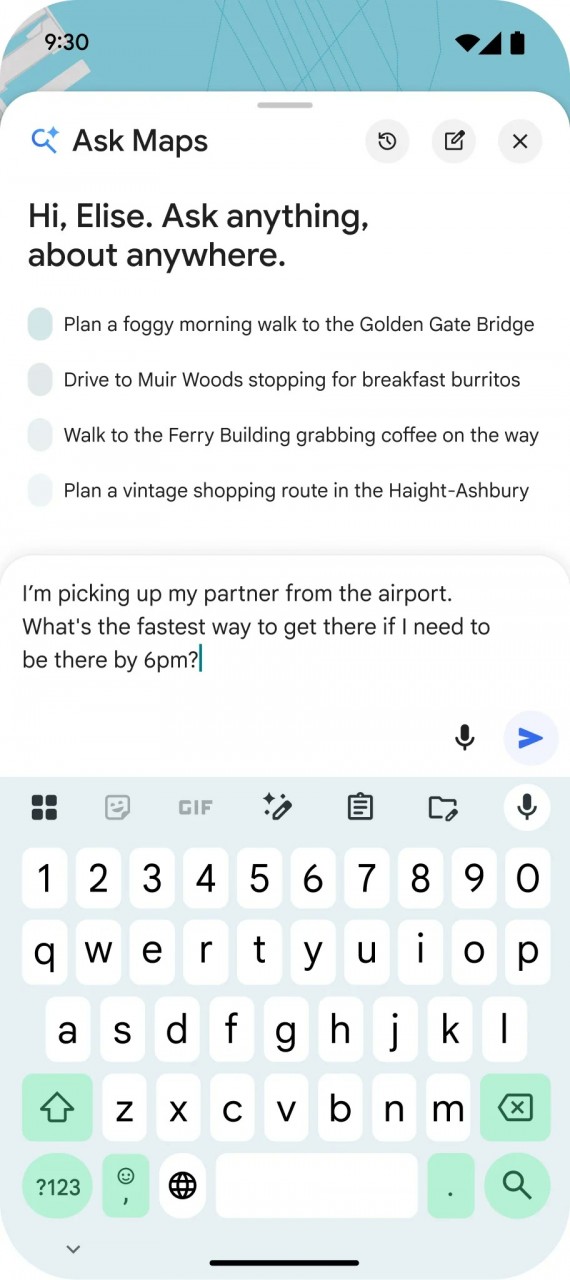
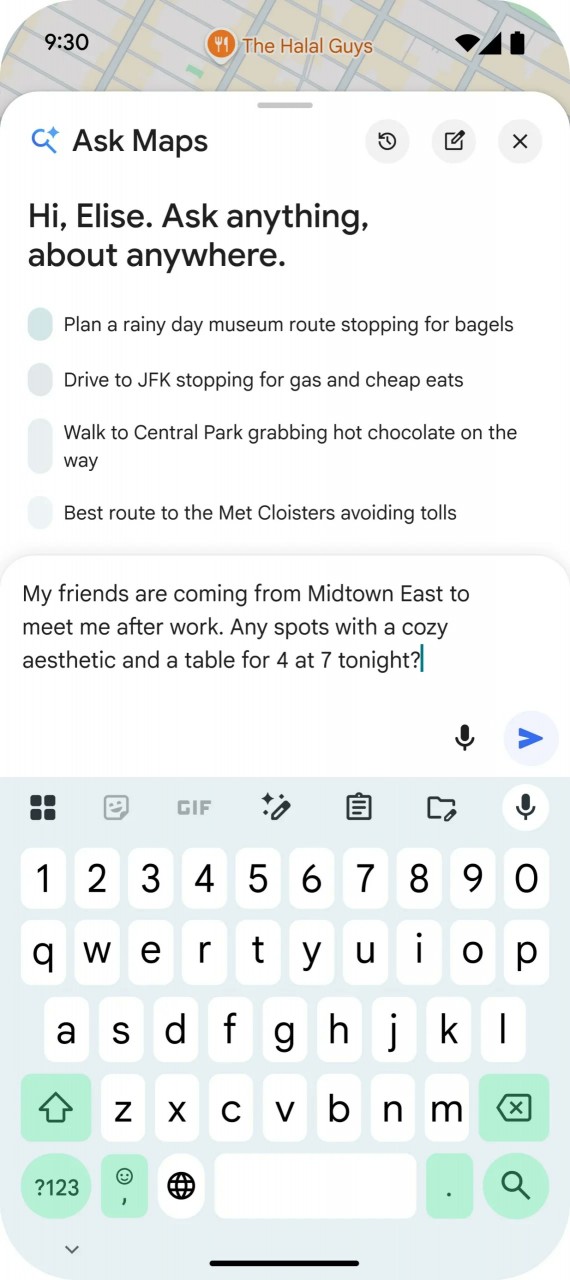
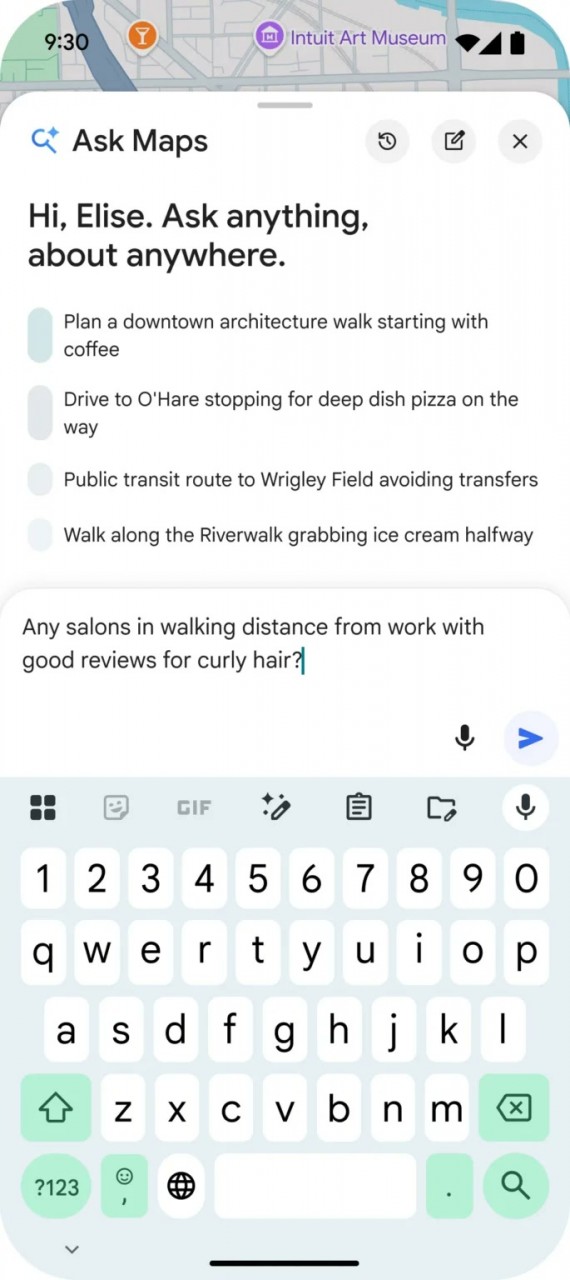
The idea behind Ask Maps is fairly simple: instead of tapping through menus, filters and search results, users can interact with Google Maps more naturally through conversation. You can ask a question, refine what you want, add extra conditions and let the app work through the details for you.
Underneath all of this is Google's Gemini AI, which gives Maps a more conversational interface while also introducing more advanced capabilities that go beyond simply answering questions.
Google Maps Is Starting To Feel More Like A Chatbot
Searching in Google Maps has traditionally been quite structured.
You type something like "restaurants near me", choose a result, check reviews, browse photos, look at opening hours and then decide what to do next.
Ask Maps is intended to reduce some of that back-and-forth.
Instead, users can speak or type to Maps in a more conversational way. You could ask for somewhere suitable for dinner, narrow it down based on price or food preferences, ask whether it fits your route, and continue refining the search without repeatedly starting over.
That is where Gemini becomes particularly useful.
Rather than treating every search as a completely separate request, the AI can maintain more context throughout the conversation.
The Bigger Change Is Its New Agentic Capabilities
The more interesting part of Ask Maps is not simply that it can chat.
Google says the feature is also gaining agentic capabilities, meaning the AI can potentially take multiple steps on the user's behalf rather than stopping after making a recommendation.
This is an important distinction.
A normal AI assistant might tell you which restaurants are along your route.
An agentic assistant could theoretically identify suitable restaurants, consider your preferences, help choose one, prepare an order and move you much closer to completing the task.
Google says Ask Maps can now handle certain complex, multi-step requests from relatively simple instructions.
That pushes Maps into territory that looks increasingly similar to a digital travel concierge.
Ask Maps Could Eventually Help Order Food Along Your Route
One example Google highlighted involves ordering food while travelling.
Imagine telling Maps that you want to pick up dinner on the way home.
Ask Maps could search for restaurants located conveniently along your route instead of simply finding the closest restaurant geographically.
It could also consider additional requirements such as dietary restrictions, preferences and other conditions before presenting suitable options.
Once the user chooses a restaurant and dish, Google says Ask Maps can place the selected food into a shopping cart so the order is ready for review.
That does not mean Google itself is suddenly becoming a restaurant delivery service.
The functionality depends on integrations with third-party platforms, with Google mentioning partners including Square, Toast and Uber Eats.
These connections effectively allow Maps to move from discovery into actual transaction preparation.
That Could Make Navigation Much More Context-Aware
This type of integration makes sense when you consider how people already use Maps.
Navigation frequently sits in the middle of other decisions.
You might be heading somewhere while also wondering where to stop for fuel, where to eat, whether there is a hotel nearby or what attractions are available once you arrive.
Until now, those tasks often required moving between multiple apps.
Google appears to be trying to make Maps the central interface for all of them.
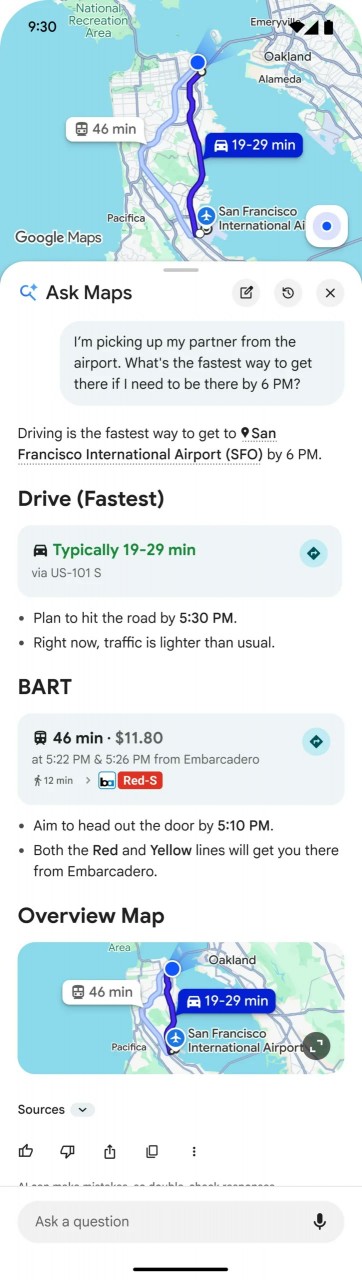
If Ask Maps can understand where you are going, how long your journey will take and what businesses are available along the route, it can theoretically provide much more useful suggestions than an ordinary chatbot that does not have access to navigation context.
Hotels And Events Are Part Of The Plan Too
Food ordering is only one of the examples Google has discussed.
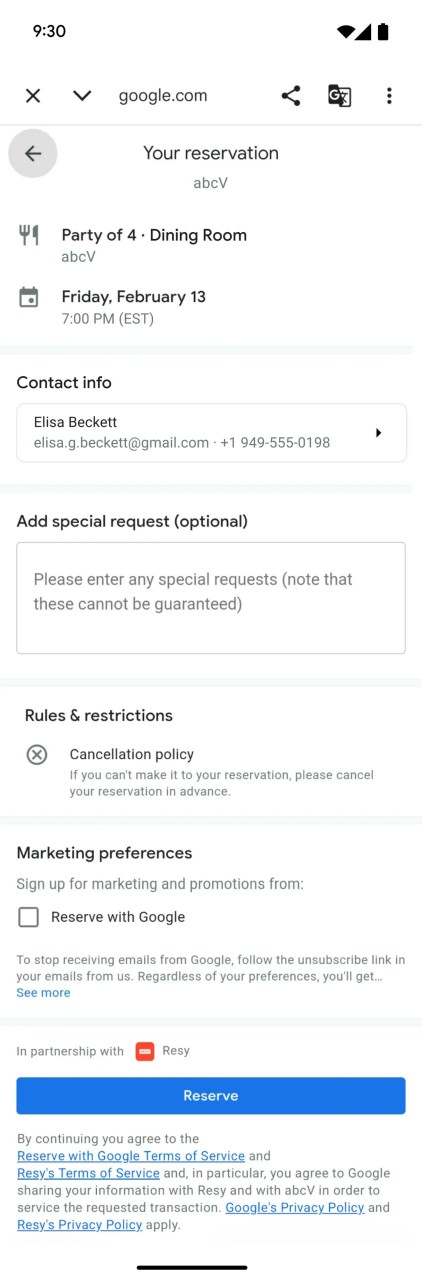
Ask Maps is also expected to help users discover and book accommodation based on specific requirements.
Instead of manually applying several filters, someone might eventually be able to describe what they need conversationally.
For example, a user could request a hotel near a certain destination, within a particular budget and with specific amenities.
Ask Maps could then work through those conditions and surface appropriate options.
Google says the feature will also be able to help users discover events happening nearby, adding another layer to Maps as a local discovery platform.
That could be particularly useful while travelling in an unfamiliar city, where users may not know which venues, neighbourhoods or attractions to search for in the first place.
Users Will Also Be Able To Update Maps Through Conversation
Google is changing contributions as well.
Traditionally, suggesting an edit to Google Maps involves navigating through specific menus and selecting what information needs to be changed.
Ask Maps introduces a more conversational approach.
Users will be able to open the Ask Maps interface, tap the "…" menu and choose "update a place" to suggest corrections.
From there, the change can be described more naturally rather than relying entirely on predefined forms.
This could make contributing updates considerably easier, especially when explaining something more complicated than simply changing an opening time.
Photos Can Help Support Suggested Changes
Naturally, Google is not going to accept every conversational edit automatically.
Suggested updates will still be reviewed for accuracy and must comply with Google's policies before being published.
Users can also submit photographs to support their suggested changes.
That could be useful when reporting that a business has moved, an entrance has changed, signage has been updated or certain information listed on Maps is no longer accurate.
Google also says users can provide local or insider tips through the same system.
That potentially makes Maps contributions feel less like editing a database and more like telling Google what has changed in the real world.
Ask Maps Is Coming To Malaysia, But Not Everything Arrives Immediately
The important part for Malaysian users is that Ask Maps itself is being rolled out locally.
However, there is an important distinction between the availability of Ask Maps and the availability of every feature Google has demonstrated.
The more advanced functions—including food ordering, hotel discovery, event discovery and conversational place contributions—are currently being rolled out in the United States first.
Google says additional countries will receive those capabilities later.
So Malaysian users should not necessarily expect every feature shown in Google's announcement to appear immediately.
The initial rollout may focus primarily on the conversational Ask Maps experience, with the more advanced agentic actions arriving progressively.
Why Malaysia Could Be A Good Fit For Ask Maps
A feature like Ask Maps could be particularly useful in Malaysia because so much daily travel revolves around finding places along driving routes.
Whether it is looking for food, petrol stations, shopping centres, hotels or attractions, users often need information that depends heavily on location and travel direction.
A standard search can find nearby businesses.
An AI assistant integrated directly into navigation can potentially answer a more useful question: which option actually makes sense given where I am going?
That difference becomes more noticeable in larger urban areas where a place may technically be nearby but require a significant detour because of highways, traffic direction or road layouts.
Combining Gemini with Google Maps gives the AI access to geographic context that a standalone chatbot would struggle to replicate.
Google Is Turning Maps Into More Than A Navigation App
Ask Maps also reflects a broader change happening across Google's products.
Gemini is increasingly being integrated directly into existing services rather than remaining a separate chatbot that users have to deliberately open.
Maps is arguably one of the most logical places for that integration.
It already contains enormous amounts of information about businesses, roads, traffic, public places, reviews and opening hours.
Adding conversational AI on top of that data could make the information considerably easier to use.
Instead of learning how to operate increasingly complicated filters and interfaces, users can simply describe what they are trying to accomplish.
Final Thoughts
Ask Maps could end up being one of the more practical uses of Gemini because it connects AI directly with something people already use every day.
Conversational search alone should make finding places easier, but the more ambitious part is Google's move toward agentic Maps, where the assistant can potentially complete several steps rather than simply recommending what you should do next.
For Malaysian users, the rollout is starting now, although some of the more advanced capabilities will still require patience while Google expands them beyond the US.
Once those features eventually arrive, Google Maps could become considerably more than a tool for getting from point A to point B.
It could increasingly become the assistant that helps decide where to stop, what to eat, where to stay and what to do along the way.











Comments 0