

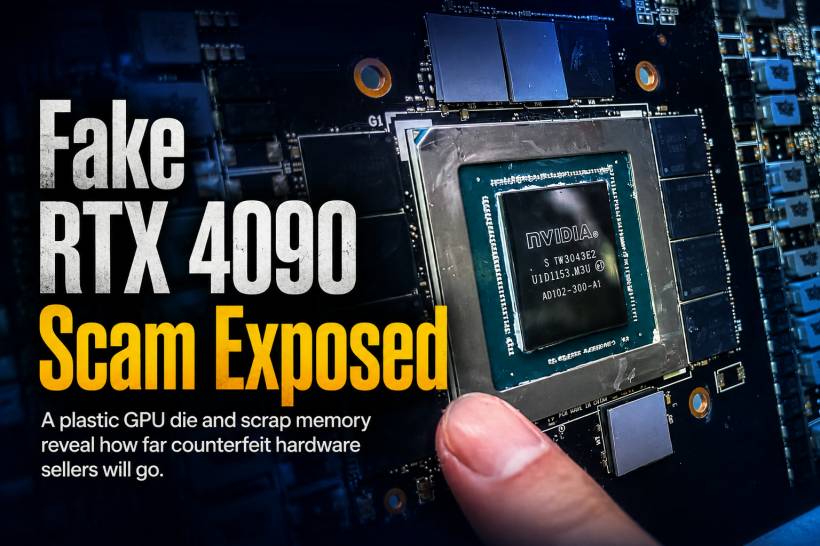
Buying a high-end graphics card at a suspiciously low price can sometimes lead to disappointment. In more extreme cases, it can reveal just how far scammers are willing to go to make counterfeit hardware look convincing.
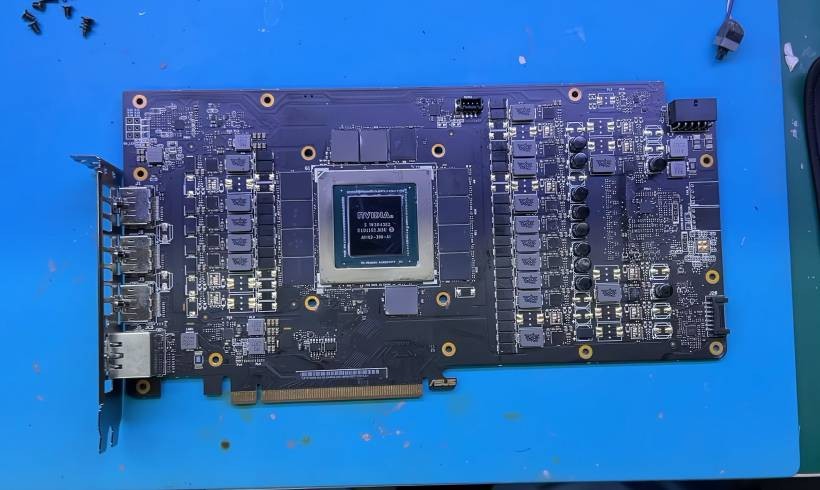
A recent case in China has drawn attention after a technician known as Brother Zhang examined what was supposed to be an NVIDIA GeForce RTX 4090. At first glance, the card appeared to be a damaged flagship GPU sent in for repair. Once it was opened, however, the discovery was far more alarming: the card did not contain a real RTX 4090 GPU chip at all.
Instead, the board had been fitted with a plastic imitation designed to resemble the graphics processor normally found on the card.
A Flagship GPU Sold at an Impossible Price
One of the earliest warning signs was the selling price. The supposed RTX 4090 was reportedly purchased for around 1,500 yuan, or roughly RM900.
That figure is far below what anyone would reasonably expect to pay for an RTX 4090, even as newer generations of graphics cards enter the market. The RTX 4090 was NVIDIA's flagship consumer GPU in the Ada Lovelace generation, built for demanding 4K gaming, 3D rendering, AI workloads and other intensive tasks.
While used hardware can sometimes be found at lower prices, a dramatic discount on a premium product should always be treated carefully. A deal that seems too good to be true often comes with hidden risks, especially when buying through unofficial sellers or second-hand marketplaces.
The "GPU Chip" Was Actually Plastic
When Brother Zhang examined the graphics card more closely, the main processor area raised immediate suspicion.
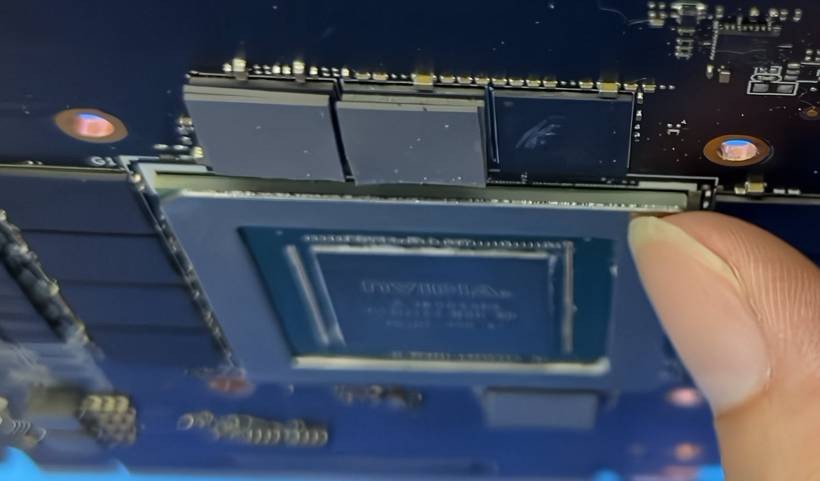
Rather than a genuine silicon GPU die, the board appeared to have a plastic piece attached to imitate the shape and appearance of the original chip. The fake component carried markings intended to look technical, but several details did not match what would be expected from a genuine RTX 4090.
The markings reportedly included a date code suggesting the chip had been made in 2030, a year that has not arrived. That alone was enough to show that the part could not be legitimate.
Other physical details were also missing or incorrect. Genuine high-end GPU packages normally include specific markings, QR codes and substrate patterns that help identify the model and manufacturing batch. In this case, the imitation lacked some of these expected identifiers.
Signs of Older RTX 30 Series Hardware
The fake chip also appeared to borrow visual details associated with older NVIDIA RTX 30 Series cards, including models such as the RTX 3080 and RTX 3090.
This created another major inconsistency. The RTX 30 Series launched in 2020, while the RTX 4090 arrived in 2022 as part of a later generation. A real RTX 4090 should not carry substrate markings or design cues that belong to a previous GPU family.
For experienced technicians, these differences can be easy to spot. For a regular buyer, however, they may be almost impossible to notice before purchase, particularly when the card is sold online with limited photos or misleading descriptions.
A Fake That May Not Even Stay Attached
Perhaps the most careless part of the scam was how the fake die had been fitted onto the graphics card PCB.
According to the inspection, there appeared to be no proper adhesive or bonding material securing the plastic piece around the supposed chip area. That means the imitation part could potentially detach from the board once pressure from a heatsink or cooler was applied.
This suggests that the card was not created to function as a working graphics card. Instead, it appears to have been assembled to deceive a buyer during a quick visual inspection.
The use of scrap memory components and imitation hardware packaging can make counterfeit cards look believable enough from the outside, especially when the buyer does not have the tools or experience to inspect the PCB directly.
Why Fake Graphics Cards Are a Growing Concern
Counterfeit GPUs are not a new problem, but scams involving premium models are particularly dangerous because of the high amounts of money involved.
Fraudsters may use several tactics to make a card appear genuine:
• Reusing old or damaged PCBs from lower-end graphics cards
• Replacing original labels with fake RTX branding
• Installing old memory chips or non-functional components
• Using altered firmware to make a card identify itself as a different model
• Selling cards as "untested", "repair units" or "display-only items"
• Offering prices far below normal market value to attract buyers quickly
Buyers are especially vulnerable when shopping through unofficial marketplace listings, social media groups or sellers that refuse to provide clear serial numbers, testing videos or return protection.
How Buyers Can Protect Themselves
Before purchasing a used or discounted high-end graphics card, it is worth taking a few simple precautions.
Buy from trusted retailers or established sellers whenever possible. If buying second-hand, ask for recent photos of the actual card, including the serial number, PCB, ports and power connectors.
A working demonstration is also important. The seller should be able to show the card running in a system, including screenshots of GPU-Z or other hardware-monitoring tools that identify the GPU model, memory capacity and device specifications.
Buyers should also be cautious when a seller avoids questions, insists on urgent payment, provides stock images instead of real photos, or offers a flagship GPU at a price that is wildly below the market average.
Final Thoughts
This fake RTX 4090 case is a reminder that modern hardware scams are becoming more elaborate, even when the final product is barely functional or completely non-functional.
A plastic imitation GPU die may sound absurd, but it shows that scammers are willing to take advantage of buyers who are eager to get premium hardware at a bargain price. When shopping for expensive graphics cards, the safest approach is to slow down, verify the seller, check the details carefully and avoid deals that seem unrealistic from the start.











Comments 0