


Open source has always been the lifeblood of modern technology, but 2025 really highlighted just how deeply the world relies on it — and how complicated that relationship has become. This year's biggest developments centered around four major themes: the explosive growth of AI in open ecosystems, heated debates over licensing, ongoing financial struggles for maintainers, and a worrying rise in supply chain attacks.
Let's break down what really happened and why it matters.
1. Open Source AI Steps Into the Spotlight
Artificial intelligence dominated technology conversations throughout 2025, and open source was right there in the middle of it. Even though most of the funding and hype still surrounds proprietary AI models, open source AI projects have made meaningful strides — especially in areas like datasets, evaluation tools, orchestration frameworks, and guardrail solutions.
Projects such as the Common Corpus and initiatives under the Linux Foundation AI & Data group are helping organizations build AI solutions without being locked into closed platforms. This shift means businesses now have viable community-driven alternatives to proprietary APIs, opening more opportunities for customization and control.
Of course, there's still plenty of debate. The definition of "open source AI" remains contentious, with few models meeting the Open Source Initiative's strict requirements. But there's no denying reality: nearly every major AI system — including fully proprietary ones — sits on top of open source software foundations.
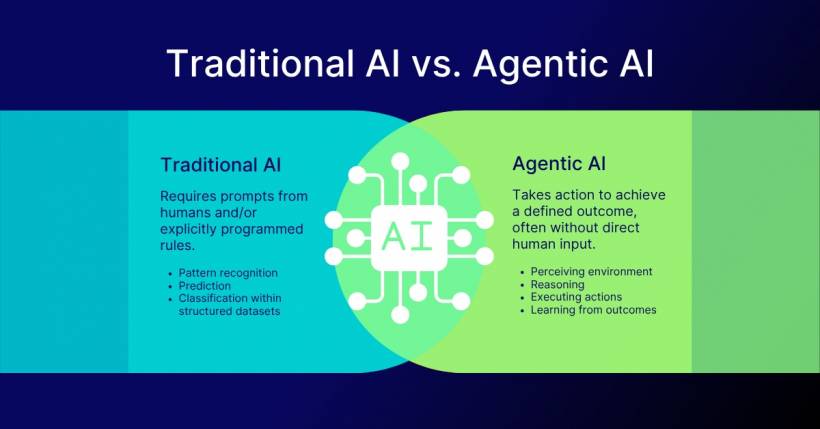
The Rise of Agentic AI — Powered by Open Standards
Agent-based AI systems have grown rapidly, and their success owes a lot to open infrastructure. One standout example is the Model Context Protocol (MCP), which has quickly become the connective tissue for AI agents, tools, files, and systems. It's evolving into the backbone beneath many IDE assistants and multi-agent platforms, enabling standardized interoperability.
And MCP isn't alone. Google contributed its Agent2Agent protocol to the Linux Foundation, while Microsoft continues advancing its open-source Agent Framework, both signaling a collaborative future for AI middleware.
2. The Battle Over "Open Source" vs "Source Available"
If there was one debate that heated up this year, it was licensing. Many companies have continued blurring the line between true open source and "source-available" offerings — and communities are not happy about it.
Reports from both the Linux Foundation and Open Source Initiative reinforced something already clear: open source remains essential to global software development, powering nearly every modern product. Yet, despite its proven success, some vendors continue pivoting toward restrictive licenses in an attempt to monetize more aggressively.
From ScyllaDB moving to an enterprise-only model to Fluent Assertions shifting away from permissive licensing, the trend has become hard to ignore. Even long-trusted platforms such as Puppet altered distribution strategies, effectively pushing premium builds behind licensing walls while still calling themselves open source.
When Projects Lock Down, Communities Fork Back
Predictably, developers refuse to sit quietly. Forks have surged — and not just symbolic ones.
We've seen:
Some forks, like OpenSearch and Valkey, aren't just alternatives anymore — they're outperforming their predecessors in speed, stability, and innovation. Others, like OpenTofu, are finding their own identity and pushing features forward where the original stalled.
The message is clear: when companies restrict previously open ecosystems, communities respond — and often succeed.
3. The Money Problem: Open Source Still Isn't Being Funded Properly
Here's the uncomfortable truth: even though the world runs on open source, far too many projects still survive on goodwill rather than sustainable funding. Surveys continue to paint a bleak picture. Most maintainers earn little to nothing for work that supports billion-dollar organizations and critical infrastructure.
By 2024, the percentage of unpaid maintainers had climbed even higher, and 2025 did little to improve the situation. This isn't just unfair — it's dangerous.
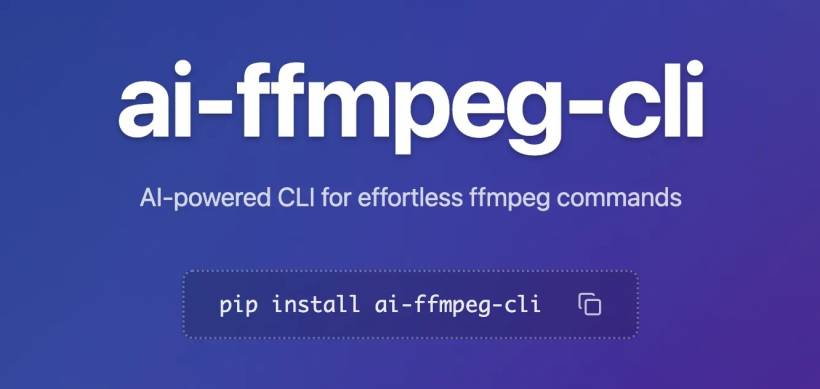
When vital projects like FFMpeg, which powers almost every streaming platform on Earth, struggle to stay funded, the entire ecosystem is at risk. Major corporations benefit enormously, yet many contribute nothing back. That imbalance can't last forever.
If companies want secure, stable, and reliable open source software, financial support must become standard practice, not charity.
4. The Supply Chain Threat Grows More Serious
If there's one area that should worry everyone, it's security. The near-miss involving the compromised xz compression library in 2024 was a wake-up call — and 2025 proved it wasn't an isolated scare.
Supply chain attacks targeting ecosystems like npm and PyPI surged, with campaigns increasingly focused on stealing developer credentials, poisoning dependencies, and injecting malicious code directly into trusted packages.
This isn't just opportunistic hacking anymore. It's organized, large-scale targeting of the very systems global software depends on.
Researchers documented tens of thousands of malicious repositories, sophisticated credential-stealing campaigns, and attacks hiding inside CI/CD pipelines. Because today's applications rely on enormous webs of dependencies, one compromised package can cascade through thousands of environments almost instantly.
Securing Open Source Means Securing the Entire Ecosystem
There's growing agreement on what needs to change:
wider adoption of SBOMs (Software Bills of Materials), stronger verification tools like Sigstore, better governance, and clear security baselines for maintainers and enterprises alike.
But awareness isn't enough — action is required.
Looking Ahead: Open Source Needs Care to Keep Thriving
Open source remains one of the greatest collaborative achievements in technology history. It fuels innovation, accelerates development, powers AI, and supports nearly every modern digital service.
Yet it also faces real challenges: sustainability, licensing tensions, funding gaps, and rising security threats.
The takeaway from 2025 is simple — open source is stronger than ever, but it needs responsible stewardship, fair financial support, and serious investment in security. If the world continues to rely on it, then the world must take better care of it.











Comments 0