


Google has already started showing some early signs of what Android 17 may bring, and naturally, Xiaomi users are beginning to wonder how much of it will eventually appear inside Xiaomi HyperOS. While it is still too early to treat every feature as confirmed, several Android 17 improvements could fit nicely into Xiaomi's own software direction, especially around multitasking, autofill, and voice typing.
The interesting part is that Xiaomi already has many productivity-focused features inside HyperOS. Floating windows, split-screen behaviour, tablet multitasking, and device ecosystem features are already part of Xiaomi's software identity. Because of that, Android 17 may not completely change how HyperOS works, but it could strengthen the foundation behind some of the features Xiaomi users already know.
App Bubbles Could Make Multitasking More Flexible
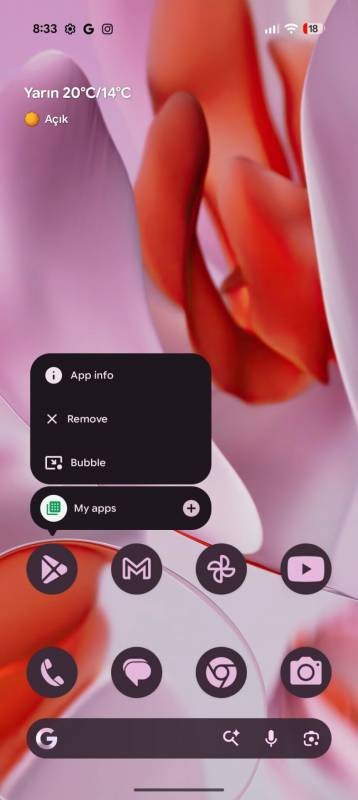
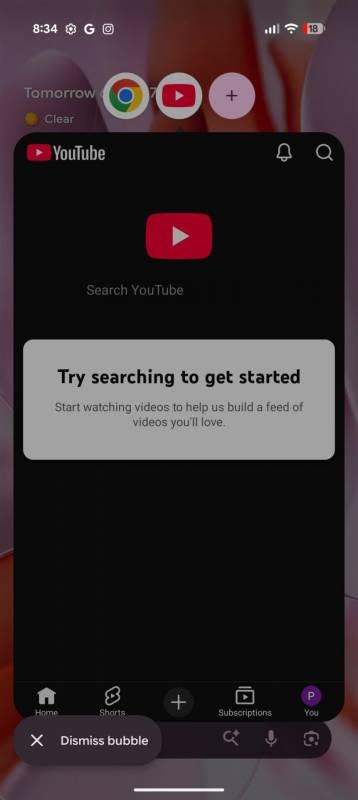
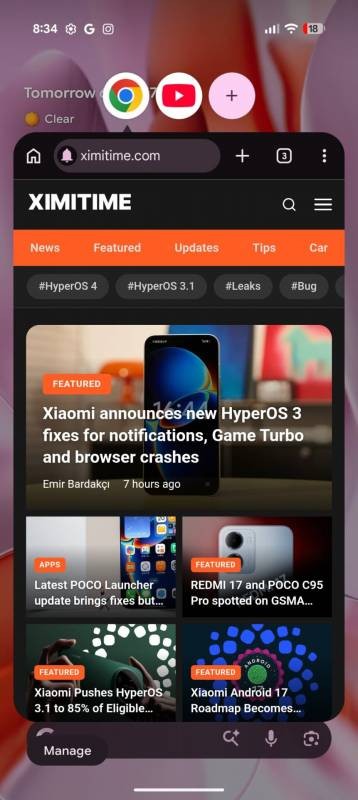
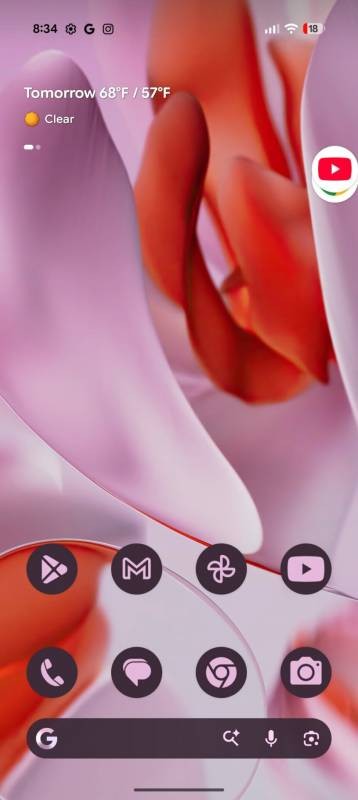
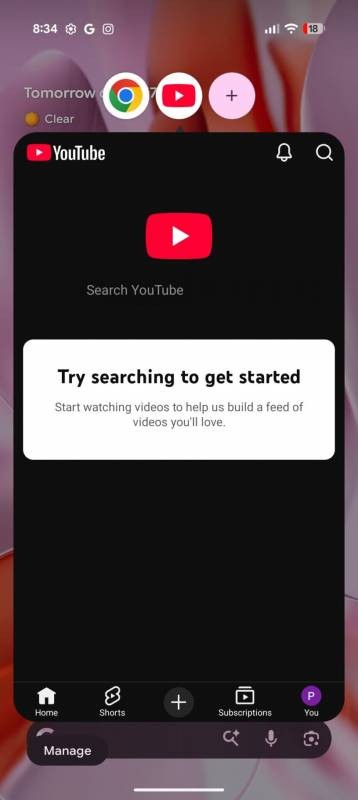
One of the most interesting features expected in Android 17 is App Bubbles. This expands the old Android chat bubble idea into something much more useful. Instead of being limited mainly to messaging apps, App Bubbles could allow users to keep different apps floating in small bubbles and reopen them quickly whenever needed.
In simple terms, it could make app switching feel faster and less disruptive. Instead of constantly jumping between full-screen apps, users could keep several apps active in the background as floating shortcuts. Android 17 reportedly supports up to five active bubbles at the same time, which could be very useful for users who frequently move between messaging, browsing, notes, and work apps.
For Xiaomi users, this idea will feel familiar because HyperOS already supports floating windows. However, if Android 17 brings this feature natively at the system level, it could improve compatibility and consistency. Apps that do not always behave perfectly with custom floating window systems may work better when the feature is supported more deeply by Android itself.
Why App Bubbles Makes Sense For Xiaomi Devices
Xiaomi has been pushing multitasking for years, especially on larger devices such as the Xiaomi Pad series and foldable smartphones. These devices benefit more from flexible app layouts because the larger screen gives users more room to manage multiple tasks at once.
App Bubbles could be especially useful when using apps like Chrome, Notes, Telegram, Discord, email, or document editors. Instead of reopening each app repeatedly, users could keep important apps nearby and jump back into them quickly.
For tablets and foldables, this could become a meaningful productivity upgrade. A user could research something in a browser, keep a chat app open for communication, and quickly bring up a notes app without constantly breaking their workflow. This is where Android 17's native multitasking features could blend well with Xiaomi's existing HyperOS direction.
Intelligent Autofill May Be More Complicated
Another Android 17 feature being discussed is Intelligent Autofill. This feature appears to use Google's AI systems to make form filling smarter and more contextual. Instead of only suggesting saved names, passwords, and addresses, Android 17 could potentially understand information from Google services and use it to help complete forms more accurately.
For example, if a passport image is stored in Google Photos, the system may be able to read the relevant details and help fill an online form. This could make registration pages, booking forms, and online applications much easier to complete.
However, this is where things become less certain for Xiaomi devices. Many of the more advanced Android 17 AI features appear to depend heavily on Gemini and Google's deeper AI integration. Because Pixel phones usually receive Google's latest AI features first, Xiaomi users may not get the full version immediately.
What Xiaomi Users May Actually Get From Autofill Improvements
Even if the most advanced Gemini-based autofill features remain Pixel-first, Xiaomi devices could still benefit from more basic improvements. Better password suggestions, smarter form detection, improved address filling, and more accurate autofill prompts could still make everyday use smoother.
This would still be useful, even without the full AI-powered experience. Most users do not need every experimental AI feature immediately. A more reliable autofill system that works consistently across websites and apps would already be a welcome improvement.
That said, the more impressive examples, such as reading details from documents or using contextual information from Google services, may take longer to arrive on non-Pixel devices. This is not unusual. Google often launches its most advanced Android features first on Pixel phones before expanding them to other brands later.
Rambler Could Improve Voice Typing
Android 17 may also introduce a new AI-powered voice typing feature internally known as Rambler. The idea behind this feature is to make voice input feel more natural and less rigid.
Current voice typing works, but it still often requires users to speak carefully. If you pause too much, use filler words, or speak in a casual way, the final text may need plenty of editing. Rambler could improve this by cleaning up spoken input automatically, removing unnecessary words, fixing awkward phrasing, and turning natural speech into cleaner written text.
For Xiaomi users, this could be a very practical upgrade because many Android users already rely on Gboard for voice typing. If Rambler becomes part of the broader Android or Gboard experience, it could make quick replies, notes, messages, and long-form dictation much easier.
Why Better Voice Typing Matters
Voice typing is no longer just a convenience feature. For many users, it is faster than typing on a small screen, especially when sending long messages or writing quick notes. The problem is that voice typing still feels slightly mechanical. Users often have to think about punctuation, sentence structure, and corrections after speaking.
A smarter system like Rambler could reduce that extra work. Instead of speaking like you are dictating to a machine, you could speak more naturally and let the AI clean up the result. This would make voice typing feel closer to having a writing assistant built directly into the keyboard.
However, like Intelligent Autofill, the full version of Rambler may depend on Google's AI infrastructure. Xiaomi devices may receive some voice typing improvements, but the most advanced processing may initially remain limited to Pixel phones or selected Google-supported environments.
Which Android 17 Features Are Most Likely For Xiaomi HyperOS
Based on the current direction, App Bubbles seem like one of the most likely Android 17 features to reach Xiaomi devices. It fits Xiaomi's existing multitasking strategy and does not appear to depend as heavily on Pixel-exclusive AI services.
Improved multitasking in general is also very likely. Xiaomi already has the software foundation for floating windows and larger-screen productivity, so Android 17 could help improve stability, compatibility, and memory handling.
Better voice typing is also possible, especially if Google improves Gboard across Android devices. Basic AI autofill improvements may also arrive, although the more advanced Gemini-based features remain uncertain.
The features most likely to be limited, at least at first, are advanced Gemini Autofill and full Rambler AI processing. These are the kinds of features that usually arrive first on Pixel phones before gradually expanding.
Xiaomi May Be Saving Bigger Changes For HyperOS 4
Another important point is Xiaomi's current Android 17 testing strategy. Early Android 17-based Xiaomi HyperOS 3.3 Developer Preview builds reportedly do not include many major user-facing Android 17 features yet. Instead, Xiaomi appears to be focusing on deeper system work such as framework compatibility, API adaptation, memory management, and overall stability.
This makes sense. Before adding visible features, Xiaomi needs to make sure the operating system foundation is stable. New Android versions often require manufacturers to update drivers, system services, app compatibility layers, and background memory behaviour. These changes are not exciting to users, but they are essential.
Because of this, many of the more visible Android 17 features may only appear later in Xiaomi HyperOS 4. HyperOS 3.3 may function more as a transition or developer testing stage, while HyperOS 4 could be where Xiaomi packages the bigger user-facing improvements.
Current Android 17 Testing Appears Limited
At the moment, Android 17-based Xiaomi HyperOS 3.3 Developer Preview testing is limited to selected devices, including the Xiaomi 17, Xiaomi 17 Ultra, and Xiaomi 15T Pro. This suggests that Xiaomi is still in the early stages of internal and developer-focused preparation.
For everyday users, this means there is no need to expect the full Android 17 experience immediately. Xiaomi will likely take its usual staged approach, testing the foundation first before bringing polished features to more devices later.
This also means that older Xiaomi, REDMI, and POCO models may receive features differently depending on hardware capability, software support period, and regional rollout plans.
Final Thoughts
Android 17 could bring several useful improvements to Xiaomi HyperOS, especially in areas like multitasking, voice typing, and autofill. App Bubbles may be the most natural fit because Xiaomi already has strong floating window features, and a native Android implementation could make the experience smoother and more consistent across apps.
The AI-powered features are more uncertain. Intelligent Autofill and Rambler sound useful, but their deeper Gemini integration may keep the full experience closer to Pixel devices at first. Xiaomi users may still receive partial improvements, but the most advanced versions may take longer to arrive.
For now, Xiaomi seems to be preparing the groundwork through Android 17-based HyperOS 3.3 testing, while the more noticeable features may be held back for HyperOS 4. If that happens, HyperOS 4 could become a more meaningful update, not just because of Android 17 itself, but because of how Xiaomi chooses to blend Android's new features with its own productivity-focused software experience.











Comments 0