

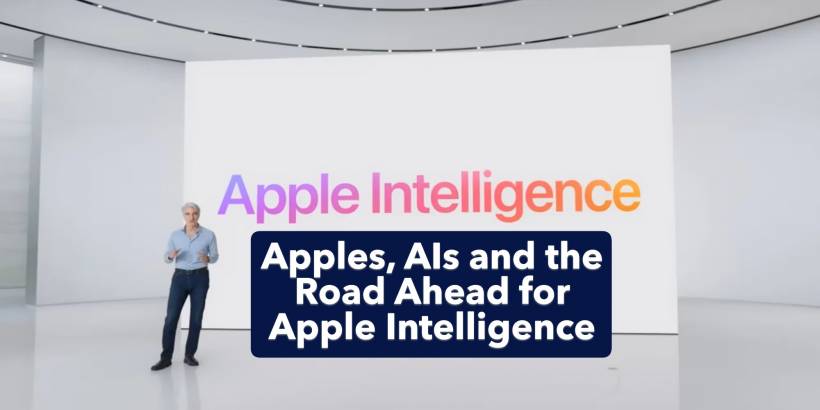
When you see the name Apple Intelligence, you might think about a self-contained "Apple AI". But appearances are shifting. What once looked like an in-house platform is evolving into something more collaborative—an ecosystem of artificial intelligence tools from different developers, brought together under Apple's software umbrella.
A Shift in Strategy: Plugging in External AI Engines
At launch, Apple Intelligence made headlines for what it could do: on-device processing, integration of generative models, deep ties to the iPhone/iPad/Mac hardware. But recent remarks from Tim Cook, Apple's CEO, reveal a broader ambition. He told CNBC that "our intention is to integrate with more people over time".
In concrete terms this means: Apple is not just relying on its own models, it's opening the door for other AI firms—like ChatGPT from OpenAI (already integrated) and speculated tie-ups with others like Google Gemini, Anthropic and Perplexity. The result: Apple Intelligence is gradually turning into a sort of "AI hub" rather than a single proprietary model.
Why This Matters
From the user's perspective, what does this mean?
From a strategic/industry view, Apple is signalling to the market: we're serious about AI, but we'll do it on our own terms—and yes, that includes partnerships, acquisitions or licensing.
The Siri Upgrade & M&A Possibilities
One spotlight area: the virtual assistant Siri. Cook mentioned in an earnings-call that Apple is "making good progress" with Siri's AI transformation and remains "open to pursuing M&As if we think that it will advance our roadmap." A forthcoming Siri version, expected around 2026, is rumoured to heavily leverage these integrated AIs (rather than just an incremental update). In other words: Apple is not ruling out buying or merging with smaller AI firms so they can hit their roadmap faster.
Where Things Stand Today
Here are some current milestones worth noting:
What to Watch Going Forward
If you're tracking this as a tech enthusiast or a developer (and Lemon, given your web dev background, you might be thinking about implications), here are key things to keep an eye on:
Final Thoughts
In short, Apple is shifting from a "we build everything ourselves" stance to something more hybrid—building core capabilities, but openly collaborating with and integrating other AI players. That makes sense: AI is a big frontier, and creating everything from scratch is costly and time-consuming. By leveraging partnerships, Apple can move faster and deliver richer features.
For users, it means your iPhone or Mac may soon offer smarter assistants, more capable image and text tools, and deeper integration between your apps and AI. For developers, it means a bigger AI platform from Apple into which you can plug your software. And for the industry, it signals Apple is ramping up in the AI arms race in a deliberate, ecosystem-centric way.











Comments 0