

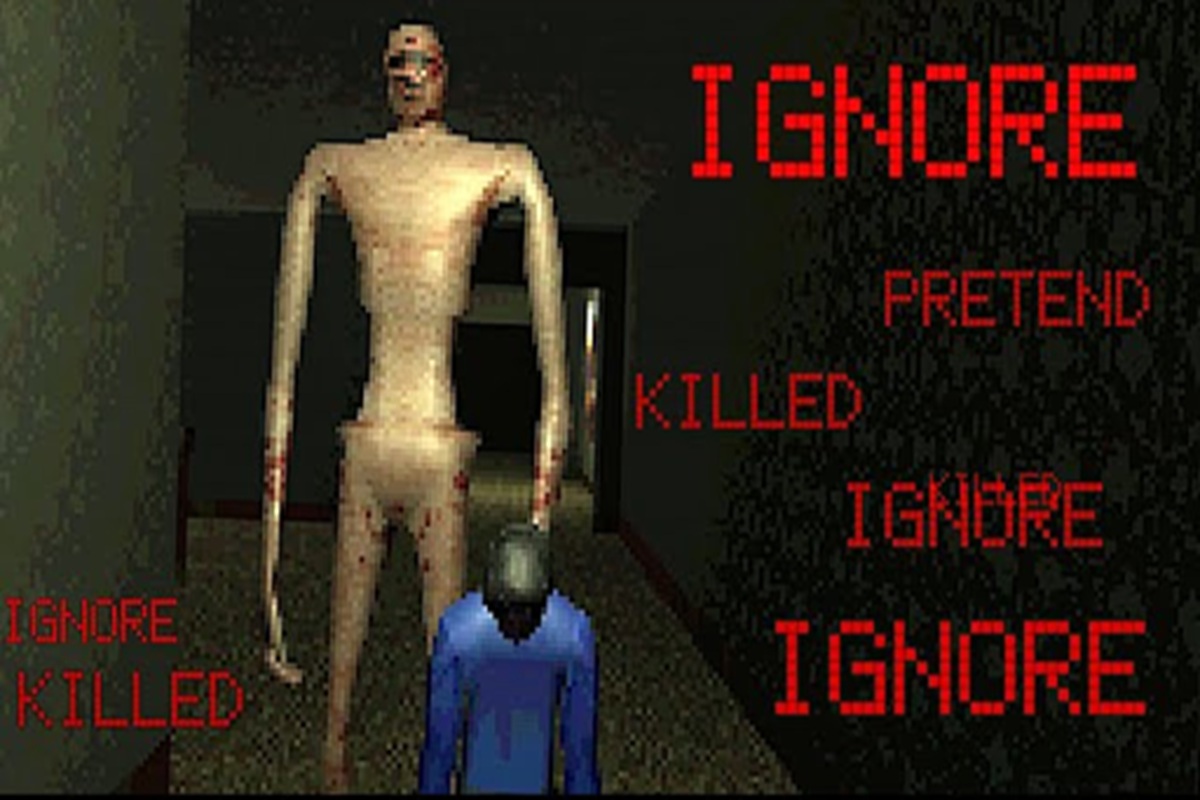
Pretend It's Not There is a short indie horror game that takes a simple idea and turns it into a tense psychological experience. Set around an ordinary home-like situation, the game builds fear from the feeling that something is present, something is wrong, and the safest thing to do may be to pretend it is not there. Instead of relying only on loud scares or constant danger, the game uses silence, uncertainty, and uncomfortable suspense to make players feel watched.
The appeal of Pretend It's Not There comes from how it turns avoidance into horror. Many scary games ask players to run, fight, hide, or investigate. This game plays with a more unsettling idea: what happens when you know something is there, but you are expected to ignore it? That simple rule creates strong tension because the player must continue forward while resisting the urge to look, react, or confirm what they already fear. It is short, focused, and memorable because it understands how powerful suggestion can be.
Now playable online through Lemon Web Games, Pretend It's Not There can be experienced directly in your web browser as part of a growing collection of classic, indie, horror, and browser-playable games. Its web-based availability makes it easy to jump into this creepy psychological horror story, where silence, isolation, strange presence, hidden danger, and the fear of looking all come together in a chilling browser experience.
A Horror Game About Ignoring the Unignorable
Pretend It's Not There stands out because its central idea is immediately unsettling. The title itself tells the player what to do, but that instruction creates tension instead of comfort. If something is not there, why does it need to be ignored? If it is there, what happens when the player acknowledges it?
That question drives the horror. The game does not need to explain everything immediately. It lets the player sit with uncertainty, which can be far more effective than showing too much too quickly. The fear comes from not knowing exactly what is present, what it wants, or what might happen if the player reacts.
This makes the game feel psychologically uncomfortable. The player is not only afraid of what they might see, but also of their own curiosity. Pretend It's Not There turns the act of looking into something dangerous, and that simple mechanic gives the experience a strong identity.
Ordinary Spaces Made Uncomfortable
One of the most effective things about Pretend It's Not There is how it uses an ordinary setting. A familiar indoor environment can feel safe in normal circumstances, but horror games often become more disturbing when they twist places that should feel comfortable.
The game uses that contrast well. The space may seem simple, but the atmosphere makes it feel wrong. Darkness, silence, and uncertainty slowly change how the player reads the environment. A normal room, hallway, or quiet moment can suddenly feel threatening.
This kind of horror works because it feels close to real fear. Many people understand the feeling of being alone at night and suddenly sensing that something is not right. Pretend It's Not There builds on that instinct and turns it into a short but effective horror experience.
Silence, Suspense, and Slow-Building Fear
Pretend It's Not There relies heavily on suspense. The game does not need constant action to keep the player nervous. Instead, it allows quiet moments to stretch, making players wonder whether they are safe or whether something is waiting just outside their attention.
Silence becomes part of the fear. When there is too little noise, every small detail feels more important. The player begins listening harder, watching more carefully, and questioning whether something has changed. This makes the experience feel tense even before anything obvious happens.
The slow-building fear gives the game its strength. Rather than overwhelming players instantly, Pretend It's Not There gradually increases discomfort. The longer the player continues, the harder it becomes to ignore the feeling that something is nearby.
Psychological Horror Through Restraint
Pretend It's Not There works well because it understands restraint. Some horror games show too much too early, which can reduce the mystery. This game keeps the focus on suggestion, tension, and the player's imagination.
Psychological horror often becomes strongest when the player is forced to fill in the blanks. When the game hints at danger but does not fully explain it, the mind starts creating its own fear. Pretend It's Not There uses that effect by making the player unsure of what is real, what should be ignored, and what might happen next.
This restrained approach makes the experience more memorable. It is not only about being shocked. It is about sitting with discomfort, continuing through uncertainty, and feeling the pressure of a rule that sounds simple but becomes harder to follow.
The Fear of Being Watched
A major part of the game's horror comes from the feeling of being observed. Even if the player cannot clearly see or confirm the threat, the atmosphere suggests that something may be nearby. That sensation can be deeply unsettling because it makes every moment feel exposed.
The fear of being watched changes how the player behaves. Movement becomes more careful. Looking around becomes more stressful. Even ordinary actions can feel risky when the player believes something may be paying attention.
Pretend It's Not There captures that feeling effectively. It uses the idea of unseen presence to create tension without needing constant direct confrontation. The player's imagination does a lot of the work, which makes the experience more personal and uncomfortable.
Simple Premise, Strong Horror Identity
Pretend It's Not There proves that a horror game does not need a complicated setup to be effective. Its premise is easy to understand, but the emotional effect is strong. The instruction to ignore something creates immediate conflict because players naturally want to know what they are avoiding.
That simple premise gives the game a clean identity. It is easy to describe, easy to remember, and easy to understand before playing. At the same time, the actual experience can still feel tense because the player must live inside that idea.
This is one of the strengths of short indie horror. A small concept can be powerful when it is focused and executed with atmosphere. Pretend It's Not There takes one unsettling idea and builds a complete mood around it.
Short Horror That Leaves an Impression
Short horror games can be very effective when they respect the player's time and focus on one strong feeling. Pretend It's Not There does exactly that. It does not try to become a huge horror adventure. Instead, it creates a concentrated experience built around suspense and unease.
The shorter format works well for this kind of game. Because the premise is simple and the atmosphere is strong, players can quickly understand the situation and become absorbed in the tension. The result is a compact horror experience that can still leave a lasting impression.
This makes Pretend It's Not There ideal for browser play. It is easy to start, easy to experience in one sitting, and memorable enough to stay with players after the game ends.
Why Pretend It's Not There Still Feels Enjoyable
Pretend It's Not There still feels enjoyable because it focuses on atmosphere and psychological tension rather than overcomplicated mechanics. The game understands that fear can come from waiting, listening, and resisting the urge to look.
Its enjoyment comes from curiosity and discomfort. Players want to know what is happening, but the game's concept makes that curiosity feel dangerous. This creates a strong push and pull throughout the experience.
For modern players, Pretend It's Not There offers a browser-playable indie horror game with a clear identity. It is a good choice for anyone who enjoys short horror experiences, creepy home settings, slow-building suspense, and psychological fear built around what remains unseen.
Playing Pretend It's Not There Online Today
Through Lemon Web Games, Pretend It's Not There can now be played directly in your web browser with no downloads or setup required. Features of the web-based version include:
• Browser-based play for quick access
• No installation required
• Short indie horror gameplay preserved for modern players
• Psychological horror built around silence, suspense, and hidden presence
• Creepy atmosphere, ordinary home setting, slow-building fear, and unsettling tension
• Accessible play through Lemon Web Games
Playing Pretend It's Not There online today makes the game easy to enjoy without needing downloads, setup, or extra installation. The browser format suits the game well because its horror experience is short, focused, and easy to enter quickly.
This accessibility helps preserve the game's unsettling appeal. Pretend It's Not There is best enjoyed by paying attention to the atmosphere, resisting curiosity, and letting the silence build tension naturally. Through Lemon Web Games, this strange psychological horror experience becomes easy to access directly from the browser.
Who Should Play Pretend It's Not There
• Players who enjoy short indie horror games
• Fans of psychological horror and slow-building suspense
• Players who like creepy home settings and ordinary places turned frightening
• Fans of atmospheric horror built around silence and suggestion
• Players looking for browser-playable scary games
• Anyone interested in a horror game about hidden presence, curiosity, and the fear of looking
Pretend It's Not There is especially suitable for players who enjoy horror that feels quiet and uncomfortable. It is not about constant action or complicated systems. It is about mood, restraint, and the pressure of knowing something may be there.
It is also a strong choice for players browsing the Lemon Web Games library in search of a short but memorable scary experience. Pretend It's Not There delivers psychological tension, eerie silence, and indie horror atmosphere in a browser-playable format.
Play Pretend It's Not There Online Now
Pretend It's Not There is now available to play online through Lemon Web Games, giving players a simple way to experience this short indie horror game directly in the browser. Its web-based format makes it easy to start playing without downloads or setup, while preserving the silence, suspense, hidden presence, and psychological tension that define the experience.
For players exploring the Lemon Web Games library, Pretend It's Not There offers a compact and unsettling horror adventure. It combines an ordinary setting, a strange rule, creepy atmosphere, and the fear of looking into a game that remains memorable because of its focused concept and slow-building dread.
Playing Pretend It's Not There today is a chance to enjoy a browser-playable horror game built around suggestion and restraint. Whether approached as a quick scary experience or a focused psychological horror story, it delivers a chilling reminder that sometimes the hardest thing to do is ignore what you know is there.
Final Thoughts
Pretend It's Not There remains memorable because it turns a simple instruction into a powerful source of horror. The idea of ignoring something unsettling creates tension immediately, and the game builds on that fear through silence, atmosphere, and psychological unease. It proves that horror can be effective even when it focuses on suggestion rather than constant action.
Its strength lies in how it makes the player uncomfortable through restraint. The game does not need to show everything or explain everything. Instead, it lets the player feel watched, uncertain, and tempted to look where they should not. That quiet pressure gives the experience its lasting impact.
Through Lemon Web Games, Pretend It's Not There becomes easy to access and enjoy directly in the browser. It remains a worthwhile game for players who enjoy short indie horror, psychological suspense, and creepy experiences built around unseen danger. For anyone looking for a browser-playable horror game with eerie atmosphere, simple controls, and strong tension, Pretend It's Not There delivers a chilling and memorable experience.











Comments 0