

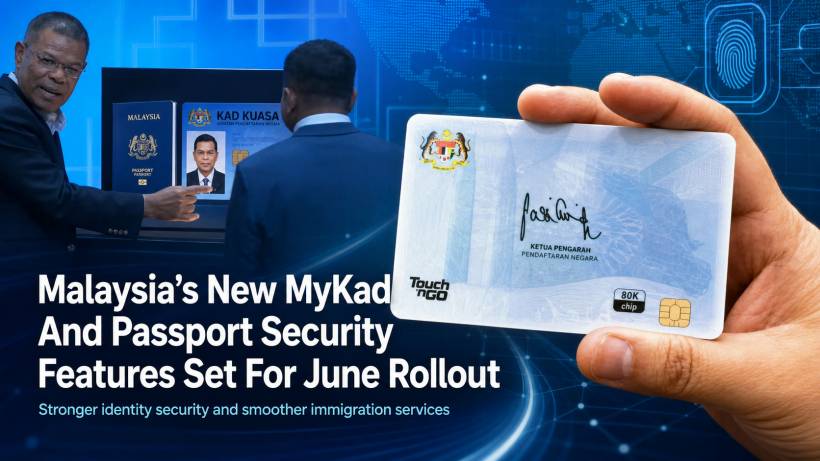
Malaysia is preparing to introduce upgraded versions of its MyKad and passport this June, with both documents expected to include improved security features. The move is part of the Home Ministry's wider effort to strengthen national identity management, improve document protection, and modernise services linked to registration and immigration.
Home Minister Datuk Seri Saifuddin Nasution Ismail said the implementation is now approaching its final stage, with the National Registration Department and the Immigration Department expected to be ready for the rollout. He expressed confidence that both agencies have prepared the necessary plans to ensure the transition is handled smoothly.
A Timely Upgrade For National Identity Documents
For many Malaysians, the MyKad and passport are everyday documents that only become noticeable when something goes wrong. The MyKad is used for identity verification across government services, banking, telecommunications, healthcare, employment, and many other official matters. The passport, meanwhile, is critical for international travel and border control.
Because these documents carry such important identity value, their security cannot remain static forever. As fraud techniques become more advanced and identity-related crimes become more complex, national documents need to evolve as well.
The upcoming versions are expected to include newer security features that better match today's requirements. While detailed technical specifications have not been fully explained publicly, the general direction is clear: Malaysia wants identity cards and passports that are harder to forge, harder to misuse, and better aligned with modern security standards.
Strengthening Trust In Identity Management
Identity management is not just about issuing cards and travel documents. It is also about trust. When a person presents a MyKad or passport, the document must be reliable enough for banks, government agencies, airports, employers, enforcement bodies, and service providers to verify that the person is who they claim to be.
This becomes increasingly important in a digital and highly connected environment. More services are now tied to identity verification, and identity fraud can create serious consequences, from financial loss to illegal border movement. Better document security helps reduce these risks.
The Home Ministry's focus appears to be not only on issuing new physical documents, but also on improving the systems behind them. That is important because a secure card or passport is only one part of the equation. The backend systems that store, verify, migrate, and process identity data must also be stable, protected, and efficient.
MyNIISe Expected To Launch In September
Alongside the new MyKad and passport security features, the National Integrated Immigration System, known as MyNIISe, is expected to begin in September this year. This system has been discussed for some time as part of efforts to modernise immigration operations and improve how Malaysia manages entry and exit movements.
MyNIISe is expected to strengthen data security and improve the efficiency of immigration services. In practical terms, a better immigration system should help reduce system disruptions, improve processing speed, support smoother movement at entry points, and provide a more user-friendly experience for travellers and officers.
This is especially important as cross-border movement continues to increase. Malaysia handles large volumes of travellers, foreign workers, business visitors, students, tourists, and returning citizens. A slow or unstable immigration system can create long queues, public frustration, and operational pressure at border checkpoints.
Citizenship Application System Also Coming
The Home Ministry is also preparing to launch a system for citizenship applications and information submissions in June. This follows amendments to the Federal Constitution related to citizenship matters.
This is another important development because citizenship applications are sensitive, complex, and often deeply personal to applicants. A more organised digital system could help make the process clearer, more traceable, and easier to manage.
For applicants, the hope would be better visibility and smoother submission. For the government, the benefit is improved record handling, better data management, and stronger control over documentation. As with any identity-related system, however, accuracy, privacy, and security will be extremely important.
A Bigger Push Toward Better Public Service Delivery
The planned rollout reflects a broader reform effort within the Home Ministry. Saifuddin said the ministry has been preparing the necessary prerequisites and enablers before implementation, and that the reforms are now close to delivering benefits to the public.
That point is worth highlighting because government technology projects are not only about buying systems or issuing new documents. The difficult part is execution. Agencies need proper planning, tested infrastructure, trained personnel, fallback plans, data migration readiness, public communication, and support channels in case issues arise.
A smooth rollout will matter because these documents affect millions of people. If the process is not managed well, it could lead to long queues, public confusion, appointment delays, or system congestion. If done properly, however, the upgrades could make identity and immigration services more secure and efficient.
Border Security Remains A Key Priority
Saifuddin also stressed the importance of border security and the need for Malaysia's immigration system to manage entry and exit movements effectively. He said the government would not compromise on maintaining strong immigration and national security systems, especially as global security challenges and cross-border movements become more complex.
This is an important point because identity documents and immigration systems are directly linked to national security. Weak document controls can be exploited by syndicates, forgers, traffickers, illegal operators, or individuals attempting to bypass the law. Stronger documents and better immigration systems can help enforcement agencies detect irregularities earlier and respond more effectively.
The minister also described border control as a key performance indicator for the Home Ministry this year, emphasising that national borders must not be breached by syndicates that ignore the law.
What This Means For Malaysians
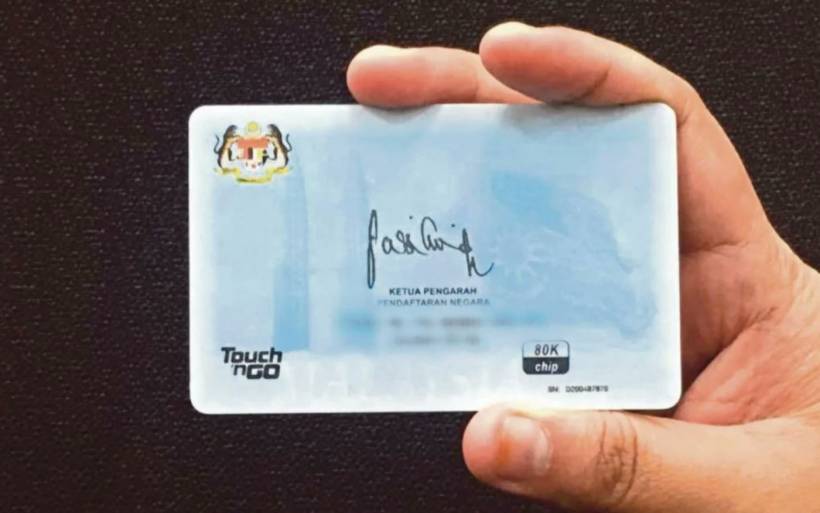
For ordinary Malaysians, the most visible change will likely be the new-look MyKad and passport with enhanced security features. However, the bigger impact may come from the systems supporting these documents.
If the rollout goes smoothly, Malaysians could eventually benefit from better identity verification, more secure documents, improved immigration processing, and more efficient government services. For frequent travellers, improvements to immigration systems could be especially meaningful. For those dealing with registration or citizenship matters, the new digital systems may help reduce manual friction.
At the same time, the public will need clear guidance. People will want to know whether existing MyKad and passports remain valid, when replacement is required, whether fees will change, and what steps are needed for renewal or new applications. Good communication will be crucial to avoid confusion.
Final Thoughts
The planned June rollout of enhanced MyKad and passport security features marks an important step in Malaysia's identity management and border security modernisation. These documents are central to how Malaysians prove identity, access services, travel, and interact with official systems.
The introduction of MyNIISe in September and the citizenship application system in June also shows that the Home Ministry is not only updating physical documents, but also improving the digital infrastructure behind immigration and registration services.
The real test will be implementation. If the rollout is stable, well-communicated, and supported by reliable backend systems, Malaysians could see a meaningful improvement in identity security and public service delivery. In a time when identity fraud, data security, and cross-border threats are becoming more complex, this upgrade is not just cosmetic. It is part of a larger effort to keep national identification and immigration systems secure, modern, and ready for current challenges.











Comments 0