


Apple's annual fall launch has once again brought a fresh wave of hardware, and while the long-rumoured iPhone Duo may have taken much of the spotlight, Apple's latest wearables deserve plenty of attention of their own. The company has introduced the Apple Watch Series 12 alongside the more rugged Apple Watch Ultra 4, bringing upgrades focused heavily on health monitoring, battery endurance and intelligent features.
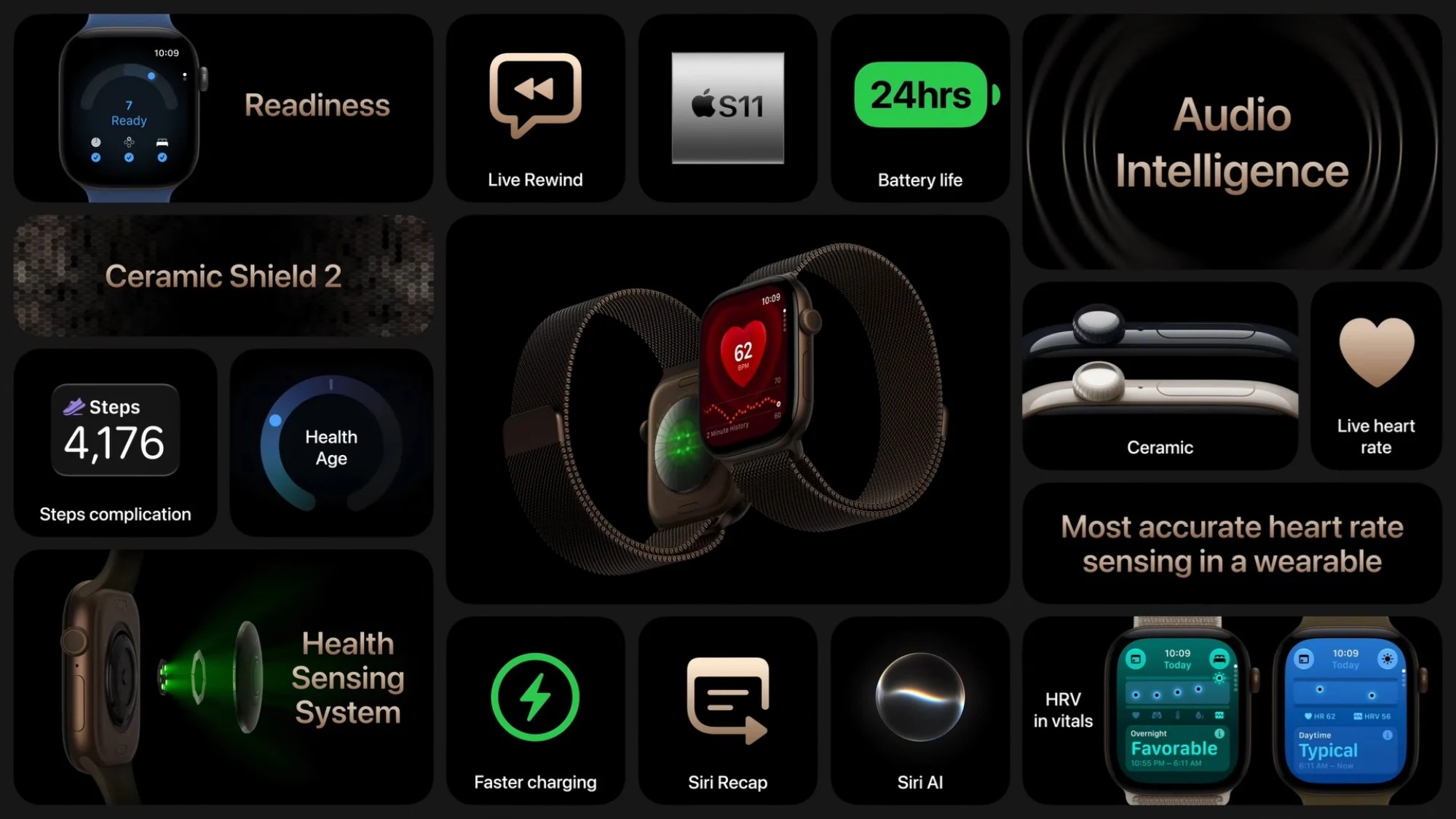
Both models are powered by Apple's new S11 chip, which the company describes as its most powerful wearable processor so far. Alongside the performance upgrade comes a new Health Sensing System equipped with improved optical and electrical heart sensors, designed to deliver more accurate measurements throughout the day. Apple says the watches can now measure a wearer's heart rate every five seconds, while heart rate variability, or HRV, is also recorded more frequently and gets its own dedicated section inside the Heart Rate app.
Apple Watch Series 12 Keeps the Familiar Design
The Apple Watch Series 12 continues with the familiar sizing options from the previous generation, giving buyers a choice between 42mm and 46mm cases. Apple is once again offering aluminium and titanium finishes, while also bringing back ceramic for users looking for something a little different.
For aluminium models, the available colours include space gray, dark bronze, black and light gold. Titanium buyers can choose between natural titanium and radiant gold. The revived ceramic version, meanwhile, comes in pearl white and night blue, giving the Series 12 lineup a broader variety of styles across different materials and price points.
While the physical design remains relatively familiar, Apple has made several practical improvements underneath. The Series 12 promises up to 24 hours of battery life during everyday use, keeping it roughly in line with its predecessor. However, Apple says endurance during outdoor workouts has improved, with the watch capable of providing up to 10 hours of use in those situations.
Charging has received an upgrade as well. According to Apple, a quick 15-minute charge can provide as much as 12 additional hours of usage. That could make a meaningful difference for users who wear the watch throughout the day and also rely on it overnight for health or sleep monitoring, reducing the amount of downtime needed between sessions.
Apple Watch Ultra 4 Pushes Battery Life Further
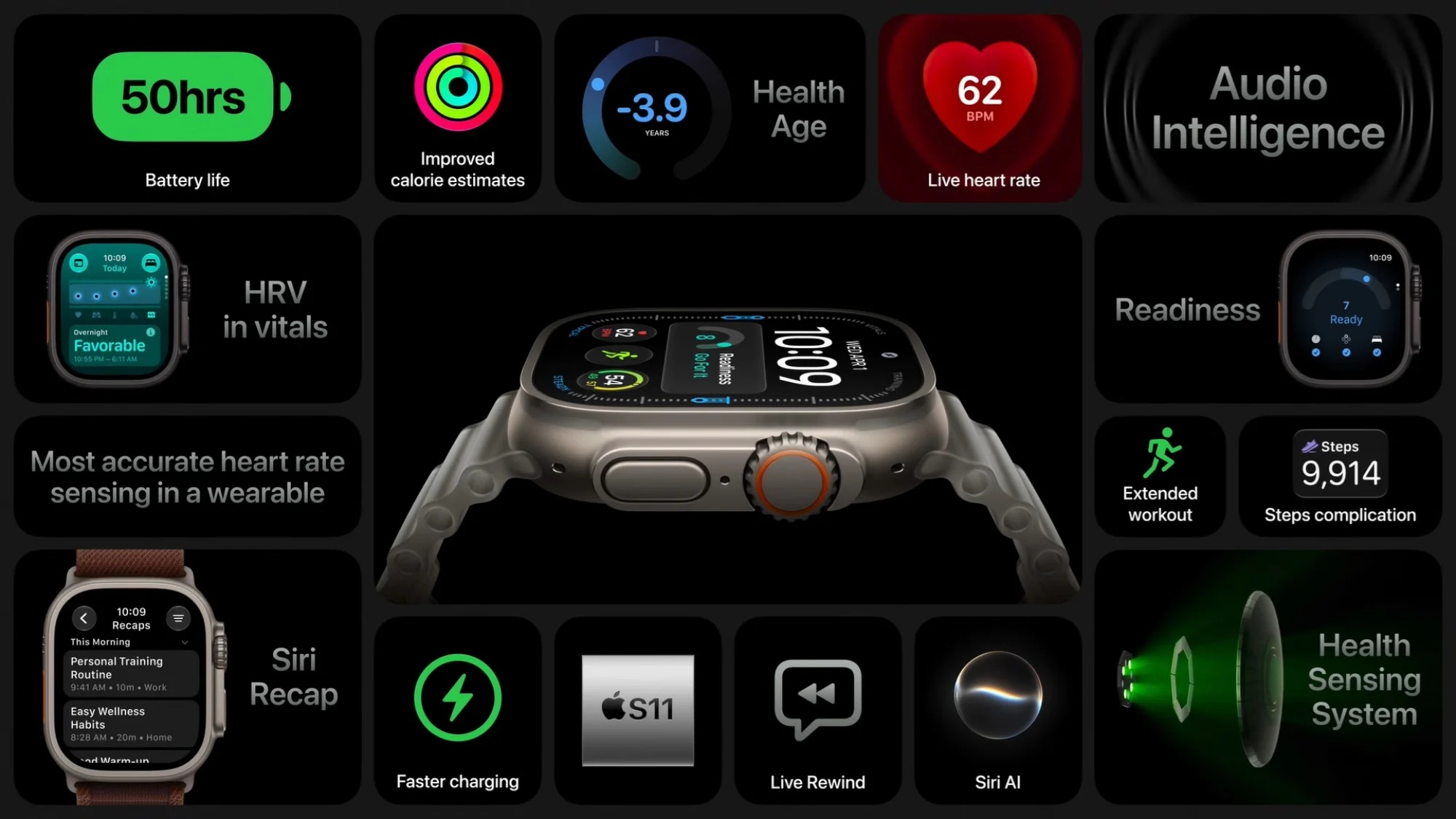
Sitting at the more performance-oriented end of Apple's smartwatch lineup is the Watch Ultra 4. The new model continues to use a titanium construction and is available in natural titanium or black titanium, accompanied by a selection of different bands.
Battery life remains one of the Ultra series' biggest advantages. Apple says the Watch Ultra 4 can operate for up to 50 hours under normal conditions, giving users more than two days of use before needing to recharge. Switching on Low Power Mode extends that figure considerably, with the company claiming up to 84 hours of battery life.
Apple has also introduced an Extended Workout mode aimed at users taking part in particularly long outdoor activities. With this enabled, the Ultra 4 can reportedly provide up to 25 hours of workout tracking while maintaining full GPS and heart rate measurements. This makes the feature particularly useful for endurance activities where continuously recording location and cardiovascular data is important.
Fast charging provides another convenience. A 15-minute charge can reportedly add up to 18 hours of battery life, allowing users to quickly top up the Ultra 4 without leaving it connected to a charger for an extended period.
Readiness Score Turns Health Data Into Daily Guidance
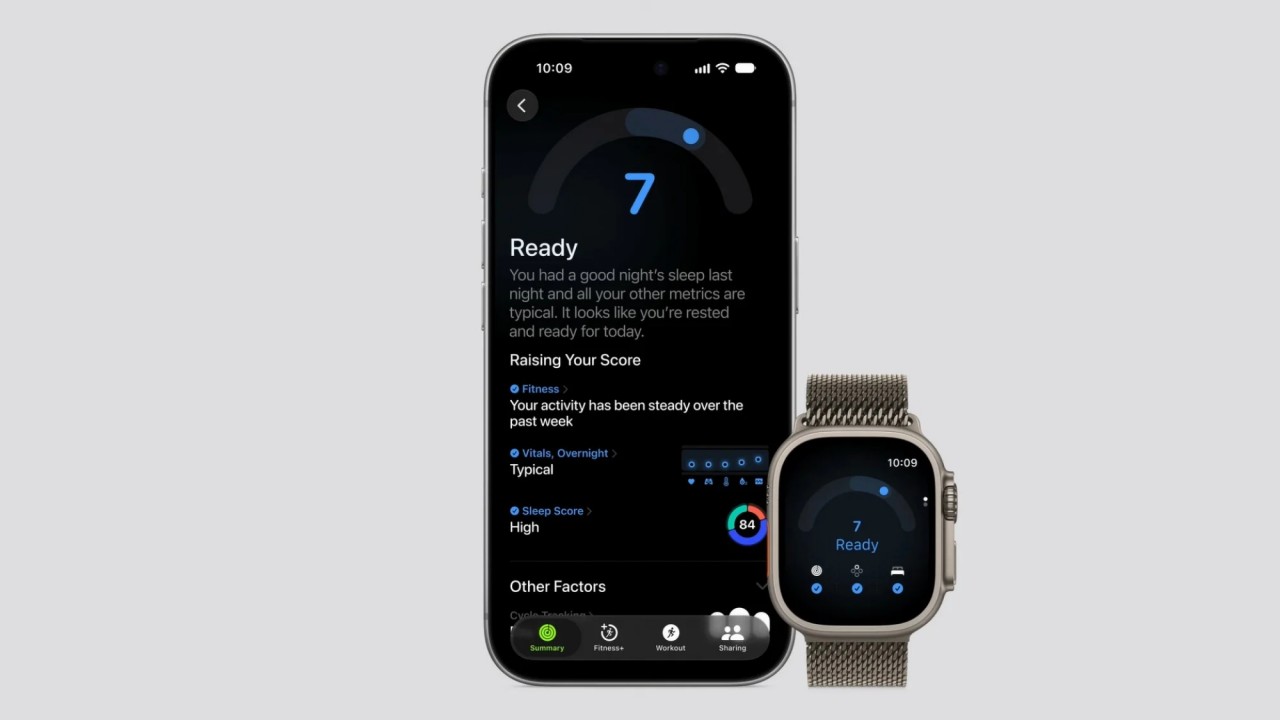
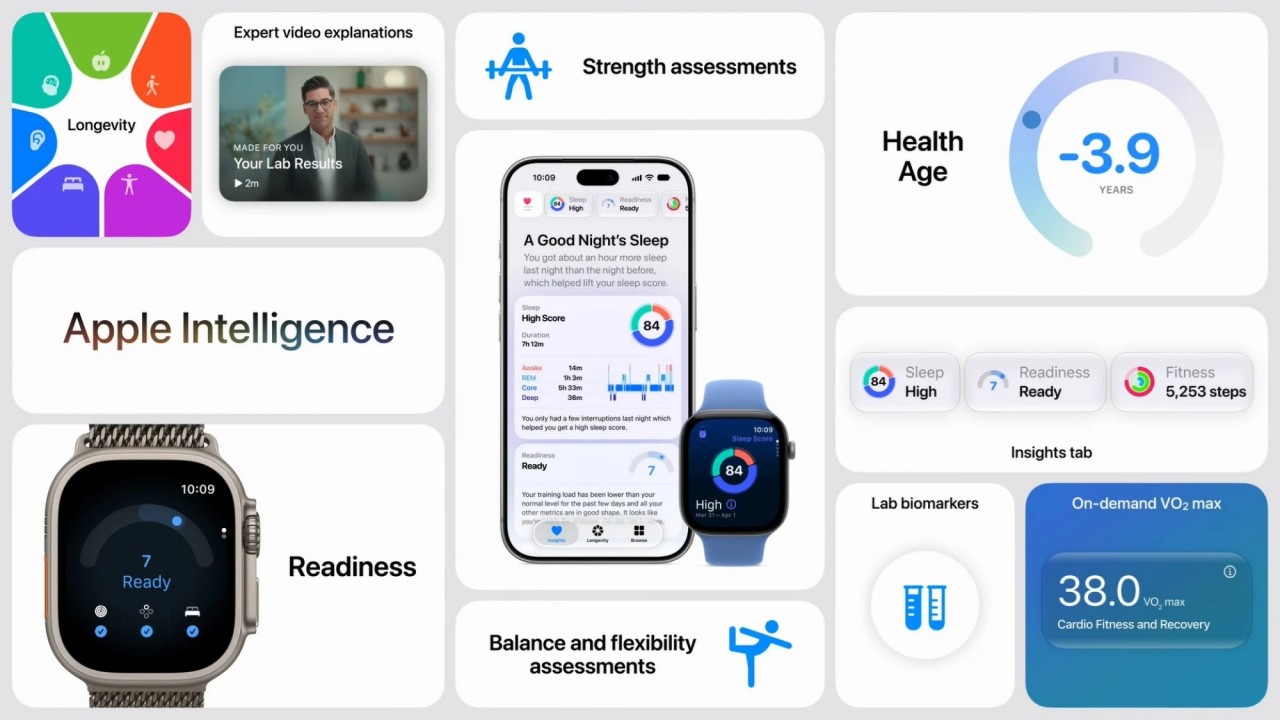
One of the more interesting additions across the new Apple Watch generation is Readiness, a feature designed to turn the large amount of health and fitness information collected by the watches into something easier to understand.
Rather than presenting users with separate measurements and expecting them to interpret everything individually, Readiness looks at several factors together. These include recent activity, training load, vital measurements and sleep score. The watch then uses this information to estimate how prepared the wearer is for the day ahead.
The result is condensed into a score ranging from zero to 10, accompanied by a recommendation intended to help users decide how hard they should push themselves. Apple divides the result into four categories: Recover, Pace Yourself, Ready and Go For It.
Importantly, the Readiness score is not fixed at the beginning of the day. It can update as new information is collected, meaning the recommendation may change depending on the user's activity and health data as the day progresses. This could make the feature more useful than a simple morning assessment, particularly for users who regularly monitor exercise, recovery and sleep.
Health App Gets a More Intelligent Overhaul
Apple is also planning a broader update to the Health app, moving beyond individual measurements towards a more comprehensive view of a person's long-term health information.
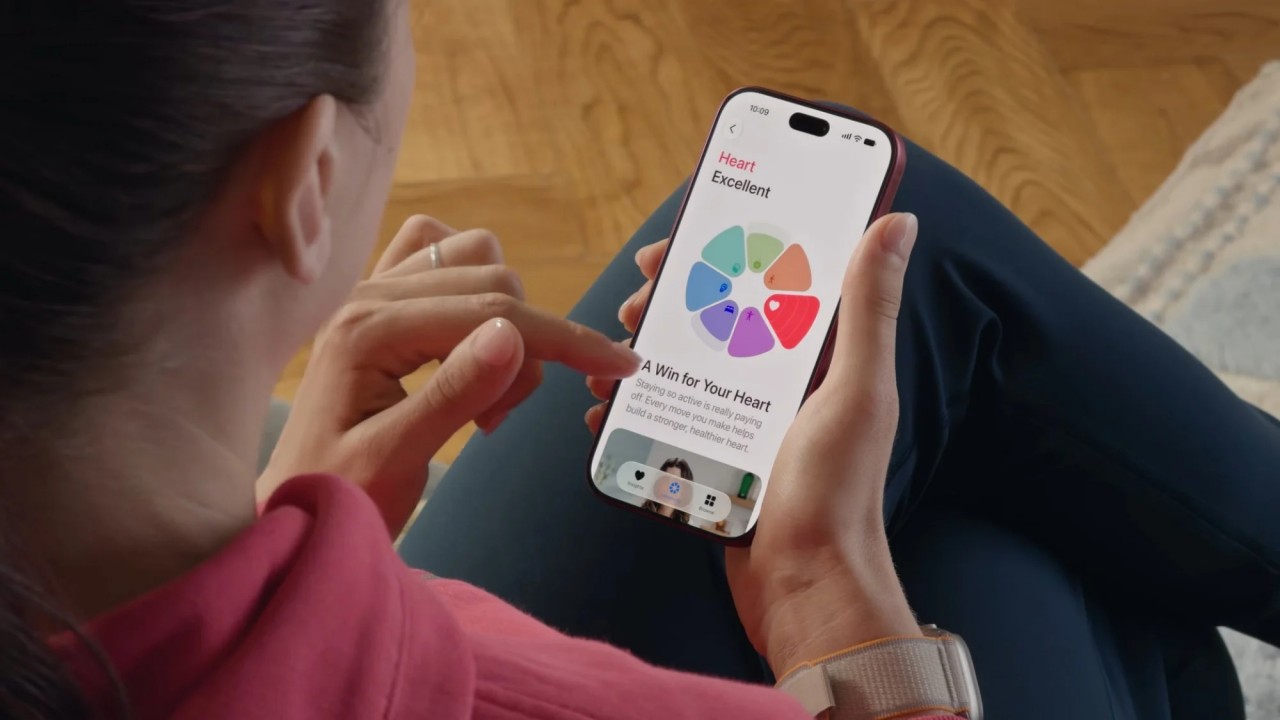
A new Insights tab will use Apple Intelligence to dynamically respond to the health data collected from the user. Instead of simply presenting charts and historical figures, the feature appears designed to make that information easier to interpret and potentially highlight useful patterns over time.
Another addition is a new Longevity tab featuring Health Age. This compares selected health measurements against the user's actual age, giving them another way to understand how their recorded health metrics relate to their age group.
Together, these features suggest Apple is increasingly interested in turning the Watch and Health app into more than passive data-recording tools. The goal appears to be providing users with more context around the information their devices already collect. The redesigned Health app is expected to become available later this year.
Audio Intelligence Expands Beyond Health Features
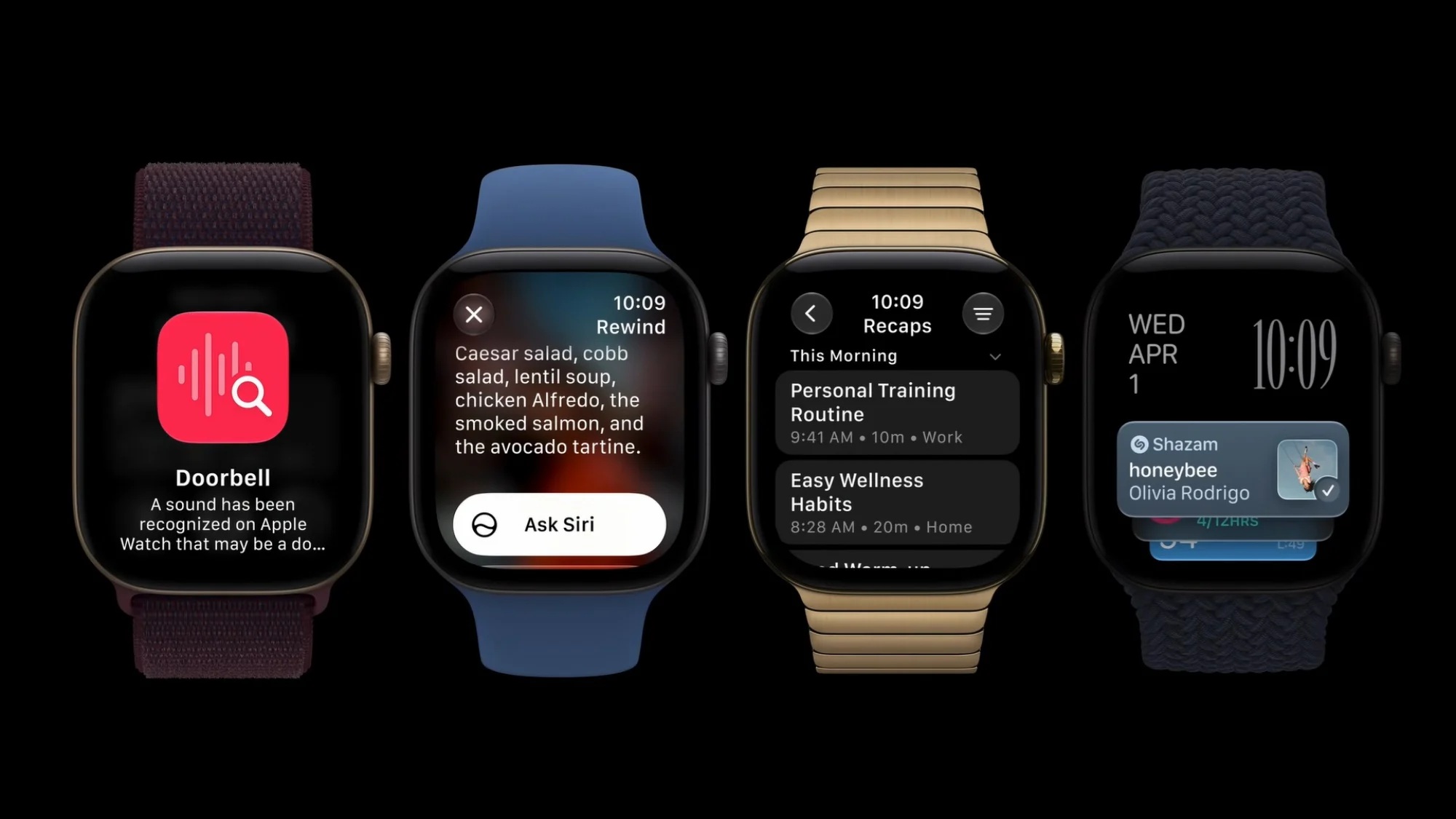
The S11 chip is not being used exclusively for fitness and health monitoring. Apple is also introducing a collection of features under the Audio Intelligence banner, expanding the Watch's usefulness in everyday situations.
Sound Recognition is designed primarily with accessibility in mind. The feature can detect surrounding sounds such as alarms and doorbells and alert users who are deaf or hard of hearing. This allows the Apple Watch to provide another layer of environmental awareness without requiring the user to constantly monitor their surroundings visually.
Another addition, Live Rewind, can be activated by double-pressing the Digital Crown. The feature displays a transcript covering the previous 15 seconds of a conversation, potentially helping users catch something they may have missed.
Siri Recap takes this concept further by generating high-level summaries of conversations. Combined with Live Rewind, these features demonstrate how Apple is using the additional processing capabilities of the S11 chip for tasks extending beyond the traditional smartwatch experience.
Pricing and Availability in Malaysia
Apple Watch Series 12 and Apple Watch Ultra 4 will both be available for pre-order beginning 11 September 2026, followed by general availability on 18 September 2026.
In Malaysia, pricing for the Apple Watch Series 12 starts at RM1,799 for the aluminium version. Buyers wanting the titanium model will see prices starting from RM3,299, while the returning ceramic version begins at RM4,049.
The more rugged and battery-focused Apple Watch Ultra 4, meanwhile, starts at RM3,699.
With multiple materials and price points available, Apple is clearly maintaining the distinction between the mainstream Series 12 and the more specialised Ultra 4. The Series 12 remains the more accessible everyday smartwatch, while the Ultra 4 targets users who place greater importance on extended battery life and long-duration outdoor activity tracking.
Final Thoughts
The Apple Watch Series 12 and Watch Ultra 4 may not represent a radical visual reinvention of Apple's wearable lineup, but the more meaningful changes appear to be happening underneath. Improved heart sensors, more frequent heart rate and HRV measurements, faster charging and the new S11 processor all strengthen the watches as health and activity companions.
Readiness could prove particularly useful by translating several different health measurements into a simple daily score rather than leaving users to interpret each metric individually. At the same time, the redesigned Health app and its Insights and Health Age features show Apple placing greater emphasis on making long-term health data easier to understand.
The Watch Ultra 4 continues to stand apart with significantly longer battery life and its new Extended Workout mode, while the Series 12 offers most of Apple's latest health intelligence in a more conventional package. Add the new Audio Intelligence capabilities into the mix, and Apple's latest watches appear focused less on dramatically changing how a smartwatch looks and more on expanding what it can understand about both its wearer and the world around them.











Comments 0