

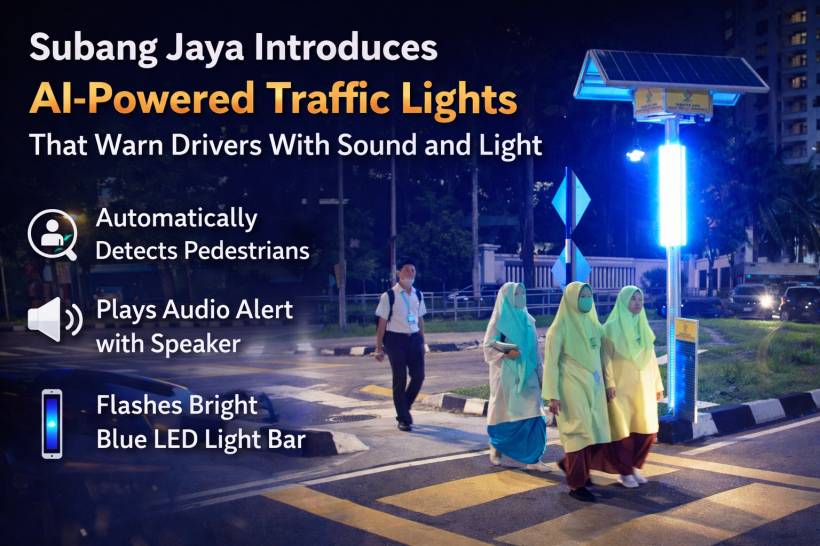
Subang Jaya is taking a step toward smarter and safer streets with the introduction of a new artificial intelligence–enabled traffic monitoring system. The Subang Jaya City Council (MBSJ) has begun deploying a technology called the Smart Sensor Awareness system, or SENSA, which uses AI and sensor-based monitoring to improve pedestrian safety in busy areas.
Rather than functioning like a traditional traffic light, SENSA acts more like an intelligent road guardian. It can detect pedestrians approaching or using a crossing and respond immediately with warnings designed to alert both drivers and people on foot.
How the SENSA System Works
At the heart of the system is artificial intelligence combined with a set of integrated sensors. When pedestrians are detected near a crossing, the system activates real-time warnings that include both visual signals and audio alerts. This ensures drivers are aware of pedestrians even before they enter the crossing zone.
According to MBSJ, the system continuously monitors pedestrian movement and responds automatically when needed. The goal is to reduce accidents in high-risk areas where visibility, driver attention, or traffic speed may otherwise pose dangers to people crossing the road.
By using automated detection rather than relying solely on fixed signals, the technology can react dynamically to real-world conditions.
A Combination of Smart Hardware
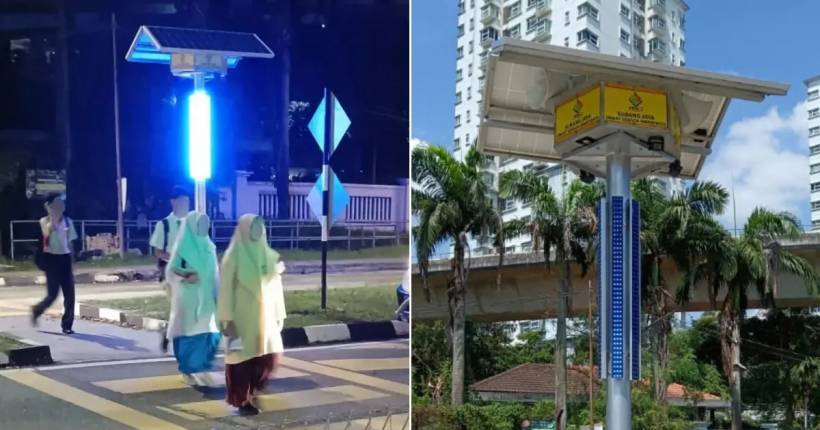
The SENSA setup relies on three key components working together. First is a smart camera equipped with AI analytics that monitors pedestrian activity around the crossing area. When someone is detected, the system processes the information instantly.
Next is a loudspeaker that broadcasts warnings, helping drivers notice pedestrians who may be stepping onto the road. The system also includes a blue LED light bar that acts as a highly visible visual signal, making the crossing area stand out to approaching vehicles.
These three elements create a layered safety system where visual cues, audio alerts, and intelligent detection all reinforce each other.
Round-the-Clock Monitoring
Beyond traffic safety, the technology also provides continuous monitoring. The system operates twenty-four hours a day, which means the smart cameras can also contribute to general safety in the surrounding area.
This constant monitoring may help discourage crime or suspicious activity near pedestrian crossings, particularly in areas close to schools, residential zones, or public facilities.
In effect, the system doubles as both a traffic safety tool and a broader urban monitoring solution.
First Installation Near a School Crossing
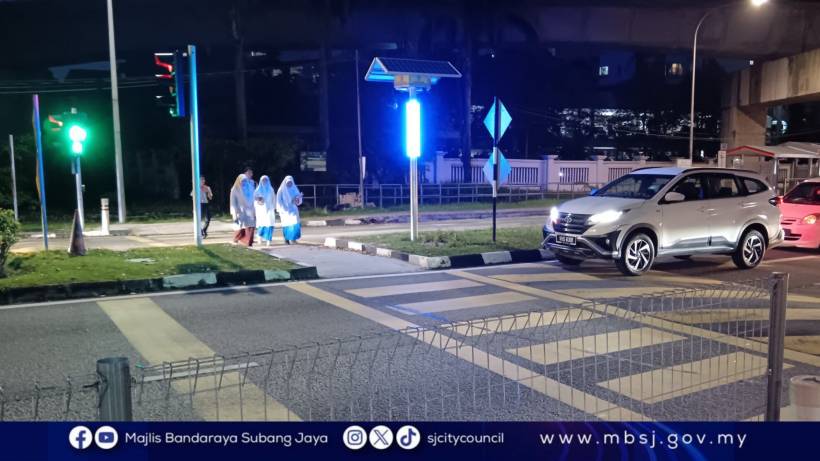
The first SENSA unit has already been installed and activated at a pedestrian crossing in front of SMK Puchong Permai. This location was selected because school zones often experience high pedestrian traffic, especially during morning and afternoon peak hours when students are arriving or leaving.
By placing the technology in areas with frequent foot traffic, the city council hopes to reduce the risk of accidents and improve awareness among drivers passing through these zones.
School crossings are often one of the most critical points for pedestrian safety, which makes them ideal testing locations for new smart traffic systems.
Part of Subang Jaya's Smart City Vision
MBSJ has indicated that the SENSA project is not a one-off installation. Instead, it is the beginning of a broader rollout that will gradually expand to other strategic locations throughout Subang Jaya.
The system is designed to fit into the council's wider smart city strategy, where technology and data are used to improve urban management, transportation safety, and overall quality of life.
As more units are deployed, the city hopes to build a network of intelligent crossings that can actively respond to pedestrian movement rather than relying only on fixed signal timing.
Powered by Solar Energy
Another notable aspect of the system is its power source. The SENSA units run on solar energy, supporting Subang Jaya's goal of becoming a lower-carbon and more environmentally sustainable city.
Solar-powered infrastructure allows the system to operate independently of traditional power sources while reducing energy consumption. This approach aligns with many modern smart city initiatives that combine digital technology with green energy solutions.
By integrating renewable energy into traffic infrastructure, the city can expand intelligent safety systems without significantly increasing its carbon footprint.
Final Thoughts
The introduction of the SENSA system represents a practical example of how artificial intelligence can be used to improve everyday urban safety. Instead of replacing traditional traffic systems, it enhances them with smarter detection, clearer warnings, and continuous monitoring.
If the rollout proves successful, Subang Jaya could become a model for how cities integrate AI into pedestrian safety infrastructure. Intelligent crossings that actively detect people and warn drivers may eventually become a common feature in modern urban environments.
For now, the first installation near SMK Puchong Permai marks the beginning of what could be a broader shift toward safer, smarter streets across the city.











Comments 0