

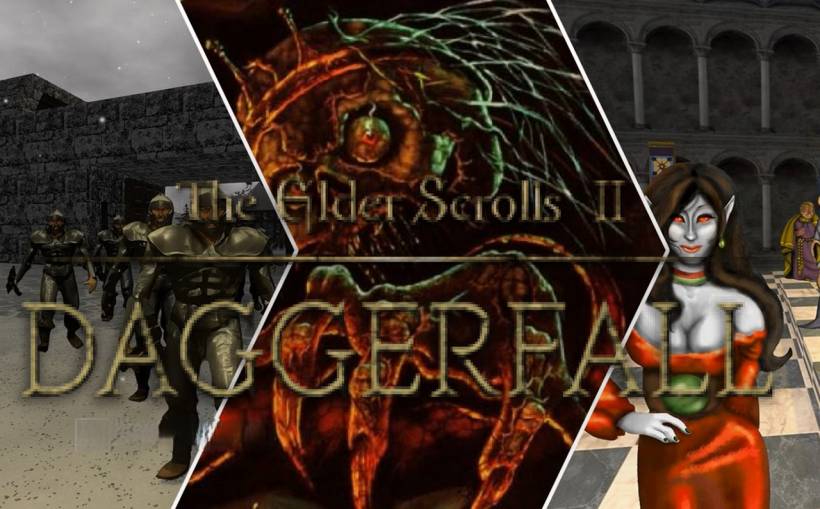
The Elder Scrolls II: Daggerfall is a massive fantasy role-playing game built around open-world exploration, character freedom, dungeon crawling, quests, factions, and the feeling of stepping into a world that is far larger than the player can fully control. It is not a narrow adventure that simply moves from one scene to the next. Instead, it gives players a broad fantasy landscape filled with towns, wilderness, politics, guilds, dangers, and opportunities, allowing the journey to unfold in many different ways.
What makes The Elder Scrolls II: Daggerfall so memorable is its scale and ambition. Players can create their own character, choose how they want to develop, accept different kinds of quests, join factions, explore deep dungeons, travel between regions, and shape their own role within the world. The game is remembered because it gives players freedom not only to follow a main story, but also to wander, experiment, get lost, recover, and gradually build a personal adventure through choices and consequences.
Now playable online through Lemon Web Games, The Elder Scrolls II: Daggerfall can be experienced directly in the browser as a classic fantasy RPG built around open-ended exploration, dungeon crawling, character building, guilds, quests, and long-term role-playing freedom. It is a game that rewards patience, curiosity, and players who enjoy fantasy worlds where discovery often matters just as much as destination.
A Fantasy RPG Built Around Scale And Freedom
The Elder Scrolls II: Daggerfall stands out because of its enormous sense of scale. The world feels vast, not only because of its geography, but because of the number of possibilities it offers. Players are not forced to experience the game in one fixed way. They can travel, explore, accept quests, enter dungeons, interact with factions, and slowly build their own path through the world.
This freedom gives the game a strong role-playing identity. The player is not simply controlling a character through a scripted adventure. They are shaping a life within a fantasy world. That means the journey can feel different depending on character choices, goals, faction involvement, and the player's willingness to explore beyond the obvious path.
That matters because open-world RPGs are most powerful when they give players a sense of ownership. The Elder Scrolls II: Daggerfall succeeds by making the world feel wide, uncertain, and full of possible directions. The player is given room to decide what kind of adventure they want to have.
Character Creation And Personal Role-Playing
Character creation is one of the most important parts of The Elder Scrolls II: Daggerfall. The game gives players the chance to define their character through skills, strengths, weaknesses, and playstyle preferences. This creates a strong sense of personal investment from the beginning because the character is not just a preset hero. They are someone the player shapes.
The way a character is built affects how the game feels. A character focused on combat may approach dungeons differently from one built around magic, stealth, or conversation. This means the player's early decisions can influence the rhythm of the entire adventure. The game rewards those who think carefully about the kind of role they want to play.
This matters because role-playing games become more meaningful when character identity affects experience. The Elder Scrolls II: Daggerfall gives players enough flexibility to make choices feel personal. That depth helps the adventure feel less like a fixed story and more like a long journey shaped by the player's own imagination.
Dungeon Crawling And The Danger Of Exploration
Dungeons are a major part of The Elder Scrolls II: Daggerfall, and they help define the game's sense of danger. These spaces can feel large, confusing, threatening, and unpredictable. Players must move carefully, fight enemies, search for objectives, manage resources, and sometimes simply find their way back out. Exploration is not always comfortable, and that is part of the experience.
The dungeon design gives the game a strong old-school RPG challenge. Players are expected to pay attention, learn layouts, use their abilities wisely, and accept that not every path will be easy. The sense of getting deep into a dungeon and needing to survive the return journey gives the adventure real tension.
This matters because exploration feels more rewarding when it carries risk. The Elder Scrolls II: Daggerfall does not make every discovery effortless. It asks players to commit to the journey, deal with danger, and earn progress through persistence. That makes each successful expedition feel more satisfying.
Quests, Guilds, And A World Full Of Possibility
The Elder Scrolls II: Daggerfall offers a wide range of quests and faction opportunities, giving players many reasons to move through the world. Guilds and organisations help provide structure, identity, and long-term goals beyond the main storyline. They also make the world feel more active, as if different groups have their own interests and roles within the larger fantasy setting.
Quests can take players across towns, dungeons, and regions, encouraging exploration while giving purpose to travel. Some tasks may feel straightforward, while others can lead into dangerous places or unexpected complications. This variety helps the world feel alive because the player is constantly being pulled into new situations.
That matters because open-world RPGs need more than empty space. The Elder Scrolls II: Daggerfall gives players systems, factions, and objectives that make the world worth engaging with. The freedom to choose what to pursue helps the adventure feel open rather than strictly directed.
Travel, Towns, And The Feeling Of A Living World
Travel plays a major role in The Elder Scrolls II: Daggerfall. Moving between places gives the game a sense of distance and scale, reminding players that the world is large and filled with separate regions, settlements, and dangers. Towns become important points of connection, offering services, quests, shops, rumours, and opportunities.
The towns help balance the danger of dungeons and wilderness. They provide places to recover, prepare, gather information, and decide what to do next. This creates a natural rhythm between exploration and return, danger and safety, action and planning. The player gradually learns to treat the world as a place with different kinds of spaces and purposes.
This matters because fantasy RPGs feel stronger when the world has structure. The Elder Scrolls II: Daggerfall is not only about combat and quests. It is also about moving through a large environment, understanding where to go, and feeling like the character exists inside a living world with towns, people, and systems.
Old-School Depth And Player Responsibility
The Elder Scrolls II: Daggerfall reflects an old-school approach to RPG design where the player is given significant freedom, but also significant responsibility. The game does not always guide every step with modern convenience. Players need to pay attention, think through choices, manage their character, and accept that mistakes can happen.
This depth can make the game demanding, but it also gives the experience its personality. The world feels less controlled and more open because the player must take an active role in understanding it. Success often comes from preparation, patience, and learning how the game's systems work.
That matters because classic RPGs often remain memorable when they trust the player. The Elder Scrolls II: Daggerfall gives players room to struggle, experiment, and discover. That freedom may feel challenging, but it also makes progress feel more personal and rewarding.
Why The Elder Scrolls II: Daggerfall Still Feels Important
The Elder Scrolls II: Daggerfall still feels important because it represents one of the boldest examples of open-ended fantasy role-playing. Its ambition is clear in the size of its world, the flexibility of its character systems, the presence of factions, and the freedom it gives players to shape their own journey. It is a game remembered not only for what it contains, but for how much it attempts to offer.
Its lasting appeal comes from the sense of possibility. Players can follow the main story, explore dungeons, take on faction quests, build a character around specific strengths, or simply travel and see what the world offers. That openness gives the game a lasting identity as a role-playing experience built around choice and scale.
This matters because many later open-world RPGs are built on the same desire: to make players feel like they are entering a world rather than only playing through a story. The Elder Scrolls II: Daggerfall remains fascinating because it pursued that goal with remarkable ambition and continues to stand as a major classic in fantasy RPG history.
Playing The Elder Scrolls II: Daggerfall Online Today
Through Lemon Web Games, The Elder Scrolls II: Daggerfall can now be played directly in your web browser with no downloads or setup required. Features of the web-based version include:
• Browser-based play for quick and easy access
• No installation required
• Classic open-world fantasy RPG gameplay
• Character creation, skills, quests, and faction progression
• Dungeon crawling, town exploration, and large-scale travel
• Long-term role-playing freedom built around discovery and choice
Playing The Elder Scrolls II: Daggerfall online today makes this massive classic RPG easier to access for players who want to experience its world without additional setup. The browser format allows players to begin their journey, explore dungeons, build a character, and engage with the game's large fantasy setting directly through Lemon Web Games.
This accessibility matters because The Elder Scrolls II: Daggerfall is the kind of game players may return to over many sessions. A character can grow slowly, quests can unfold over time, and exploration can lead in many directions. Lemon Web Games makes that long-form role-playing experience more convenient by allowing the game to be played directly in the browser.
Who Should Play The Elder Scrolls II: Daggerfall
The Elder Scrolls II: Daggerfall is a strong choice for players who enjoy classic fantasy RPGs, open-world exploration, deep character building, dungeon crawling, and long-term role-playing freedom. It is especially suitable for those who enjoy games that reward patience, curiosity, and personal adventure.
• Players who enjoy classic fantasy role-playing games
• Fans of open-world exploration and large-scale adventure
• Anyone looking for a browser-based dungeon crawling RPG
• Players who enjoy character creation, skills, and faction systems
• Retro RPG fans who appreciate old-school depth and freedom
• Adventure players who enjoy discovery, quests, and long-term progression
The game is also a good fit for players who enjoy creating their own stories within a larger world. The Elder Scrolls II: Daggerfall gives players many directions to follow, which makes the adventure feel personal. One player may focus on quests and factions, while another may spend more time exploring dungeons or developing a specific character style.
For players who prefer short, simple, or heavily guided games, The Elder Scrolls II: Daggerfall may feel large and demanding. However, for those who enjoy deep RPG systems, open-ended progression, and the feeling of being placed inside a vast fantasy world, it remains a rewarding game to play online.
Play The Elder Scrolls II: Daggerfall Online Now
The Elder Scrolls II: Daggerfall is now available to play online through Lemon Web Games, giving players a convenient way to experience classic open-world fantasy role-playing directly in the browser. Its combination of character freedom, large-scale exploration, dungeon crawling, quests, factions, and long-term progression makes it a major addition to the Lemon Web Games collection.
The game works because it gives players a world that feels full of possibility. There is always another town to visit, another dungeon to enter, another quest to accept, or another character decision to consider. That sense of openness is what gives the game its lasting power.
For players looking for a browser RPG with scale, depth, and old-school fantasy ambition, The Elder Scrolls II: Daggerfall remains one of the most important classics to revisit. It offers a vast adventure built around freedom, danger, discovery, and the satisfaction of shaping a journey through personal choice.
Final Thoughts
The Elder Scrolls II: Daggerfall remains a remarkable fantasy RPG because it understands the power of scale and freedom. Its world is vast, its character systems are flexible, and its adventure structure allows players to decide how they want to engage with the experience. Whether exploring dungeons, joining factions, travelling between towns, or developing a character over time, the game gives players a strong sense of personal ownership over the journey.
What makes the game worth playing today is its ambition and depth. The Elder Scrolls II: Daggerfall does not offer a small or simple adventure. It offers a huge fantasy world filled with danger, choice, and discovery, asking players to take their time and build their own path. As part of Lemon Web Games, it provides an accessible way to experience this classic open-world RPG directly in the browser. For players who enjoy deep role-playing, large worlds, dungeon exploration, and old-school freedom, The Elder Scrolls II: Daggerfall remains a powerful and rewarding title to revisit.











Comments 0