

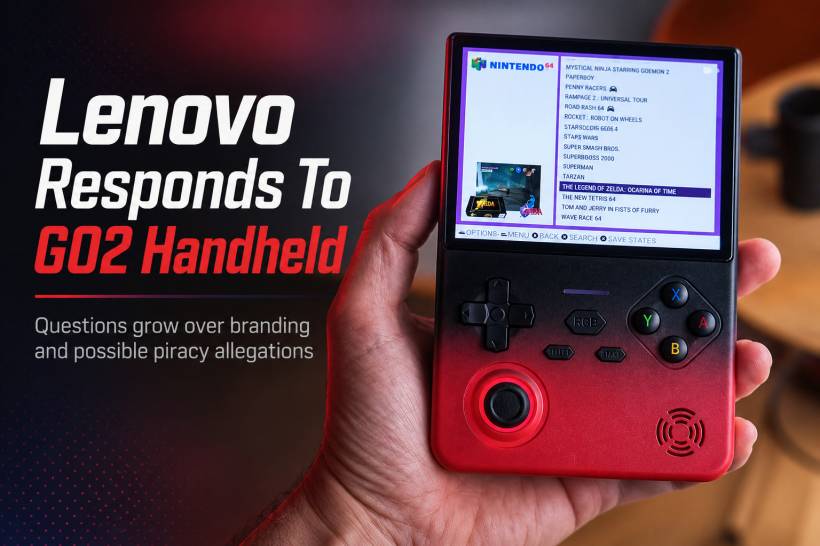
Lenovo has responded after its name became attached to a retro gaming handheld known as the Lenovo G02, a device that recently caught attention online for reasons that go beyond normal product curiosity. The issue is not simply that another small gaming handheld appeared on the market. The concern is that the device was reportedly being sold with thousands of preloaded retro games and ROMs, raising obvious questions about licensing, piracy, and how Lenovo's branding ended up on such a product in the first place.
According to a statement given to Tom's Hardware, Lenovo says the G02 is not officially available outside China. The company also says that it does not authorise the sale of the device on international platforms such as AliExpress. However, the situation appears more complicated than that, especially since listings for the device have been spotted online, and some product pages appear to describe bundled ROMs that could put the brand in an uncomfortable position.
How The Lenovo G02 Became A Talking Point
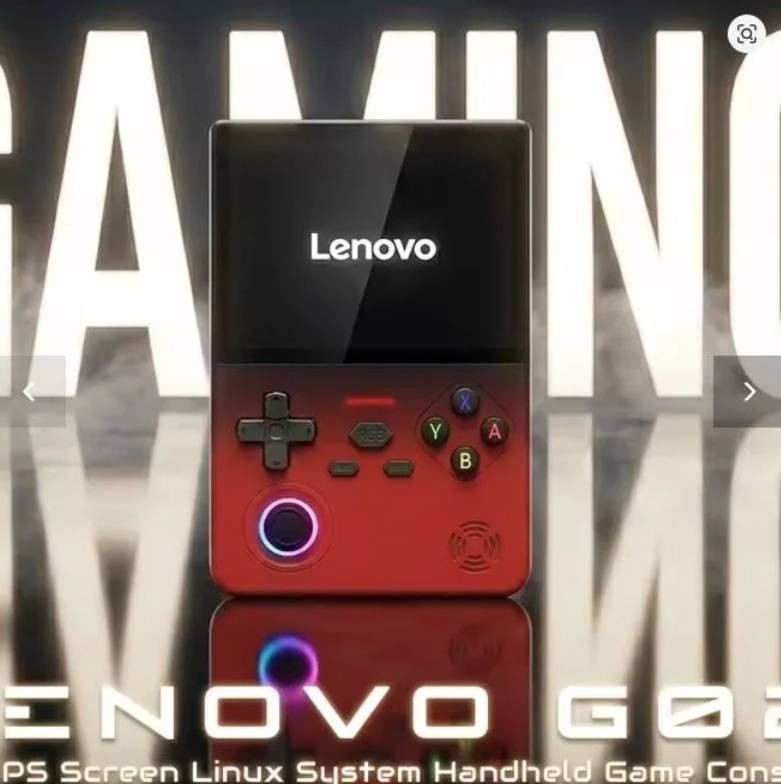
The Lenovo G02 first gained attention after the internet discovered what looked like a Lenovo-branded retro handheld gaming device. At first glance, it may sound like Lenovo had quietly entered the crowded retro handheld space, a market already filled with low-cost devices that emulate older consoles and arcade systems.
However, the G02 does not appear to be a typical official Lenovo product in the same sense as a Legion gaming laptop or Yoga notebook. Instead, it seems to fall into the world of white-label products, where a manufacturer produces a device and sells it under another company's branding through a licensing or branding arrangement.
This is not a rare practice. Many major brands allow third-party manufacturers to use their name on certain products, especially in categories where the main brand does not directly design, manufacture, or market the device itself. These white-label arrangements can help smaller manufacturers gain trust and visibility, while the larger brand benefits from licensing or broader market presence.
What White-Labelling Means For Consumers
White-labelling is common across many industries, including consumer electronics. A product may carry a familiar brand name, but that does not always mean it was designed or fully controlled by that company. In some cases, the brand owner may only approve the use of its name, while the product itself is handled by another manufacturer.
This can be harmless when the product is simple, properly documented, and sold through authorised channels. For example, storage and memory products are sometimes produced this way, and brands like Acer have been linked to similar arrangements through companies such as Biwin.
The problem begins when a white-labelled product enters a more legally sensitive category. A retro gaming handheld is not just a generic gadget. If it is sold with unlicensed commercial games already loaded onto it, the issue quickly becomes more serious. That is where the Lenovo G02 appears to have attracted unwanted attention.
The Piracy Concern Around Preloaded ROMs
The biggest issue surrounding the G02 is the claim that the handheld was being sold with thousands of preloaded games and ROMs. These reportedly included old games from companies such as Sony, Sega, and Nintendo.
Retro handhelds are not automatically illegal. A device capable of running emulators is not necessarily a problem by itself. The legal risk usually begins when copyrighted games are distributed without permission. Selling a device with commercial ROMs already installed is very different from selling an empty handheld that users configure themselves.
This is where the matter becomes sensitive for Lenovo. If a device carrying its brand name is being advertised with a large library of preloaded ROMs, even if Lenovo did not directly install those games, the association alone can create reputational and legal concerns.
Why Nintendo Is The Name Everyone Notices
Among the companies whose games are allegedly involved, Nintendo is the one that tends to stand out the most. The company is famously aggressive when it comes to protecting its intellectual property, especially in cases involving emulation, ROM distribution, modded consoles, and piracy.
Nintendo has a long history of legal action against parties it believes are distributing or enabling unauthorised access to its games. Because of that, any device openly advertised with Nintendo ROMs immediately becomes risky territory. For a major company like Lenovo, even indirect association with such a device could be problematic.
That does not mean Lenovo itself is automatically responsible for everything seen in third-party listings. However, it does explain why the company would want to distance itself from any version of the G02 that includes preloaded copyrighted games.
Lenovo Says The Device Should Not Include ROMs
Lenovo's response is that the G02 does not include memory cards or preloaded games. Based on that statement, the company appears to be suggesting that any illegal ROMs may have been added after the device left the production line.
That is an important distinction. If Lenovo or its authorised licensee only approved or produced the hardware without storage cards or game libraries, then the company would argue that the ROM issue came from sellers, distributors, or other third parties further down the chain.
Lenovo also says it does not authorise the sale of the handheld outside China. It further states that sales on platforms such as AliExpress are not approved by Lenovo or its authorised licensees. In other words, Lenovo is trying to make it clear that international listings are not part of its official distribution plan.
The AliExpress Listing Makes The Situation Messier
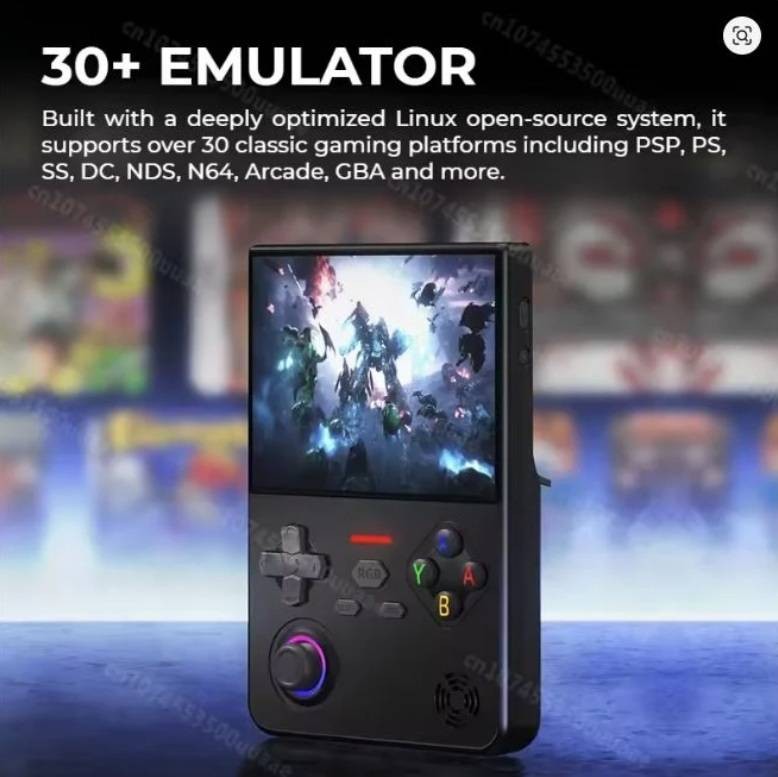
The situation becomes less clean when looking at online marketplace listings. While AliExpress listings may not always openly promote ROM libraries in the main title or product description, some product pages reportedly include slides or images that mention the included ROMs.
That matters because product images are often what buyers rely on when deciding whether a device is worth purchasing. If a listing uses Lenovo branding while also suggesting that the handheld includes thousands of games, it creates a very different impression from Lenovo's statement that the G02 is not supposed to include memory cards or preloaded games.
This is also one of the challenges with online marketplaces. Products can move through unofficial sellers, resellers, and regional distributors very quickly. Once a device exists and has brand recognition attached to it, controlling how it is marketed outside official channels becomes much harder.
A Branding Lesson For Major Tech Companies
The G02 situation highlights the risk of white-label arrangements. Allowing a third-party manufacturer to use a major brand name may help a product gain attention, but it can also create problems if the product category is legally sensitive or if sellers market it in ways the brand owner did not approve.
For Lenovo, the concern is not only whether the G02 itself is authorised. The larger issue is how consumers perceive the brand. If buyers see a Lenovo-branded handheld being sold with preloaded copyrighted games, many will naturally assume Lenovo is involved in the full package, even if the company says otherwise.
That is why brand control matters. In categories like retro gaming, where emulation and ROM distribution often sit in a legally complicated space, companies need to be especially careful about what their name appears on and how those products are sold.
Final Thoughts
Lenovo's response to the G02 handheld appears to be an attempt to separate the company from the more controversial parts of the device's online presence. The company says the handheld is not meant to be sold outside China, is not authorised for sale on platforms such as AliExpress, and should not come with memory cards or preloaded games.
Even so, the incident shows how quickly a white-labelled product can become a branding headache. A simple retro handheld might not seem like a major issue at first, but when preloaded ROMs and major gaming companies are involved, the matter becomes much more sensitive.
For consumers, the lesson is also clear. A familiar logo on a product does not always mean the device is officially supported, globally distributed, or fully controlled by the brand printed on it. In the case of the Lenovo G02, the handheld may carry a recognisable name, but the questions around its distribution and bundled content show why buyers should be cautious with marketplace listings that look too convenient or too heavily loaded with copyrighted games.











Comments 0