

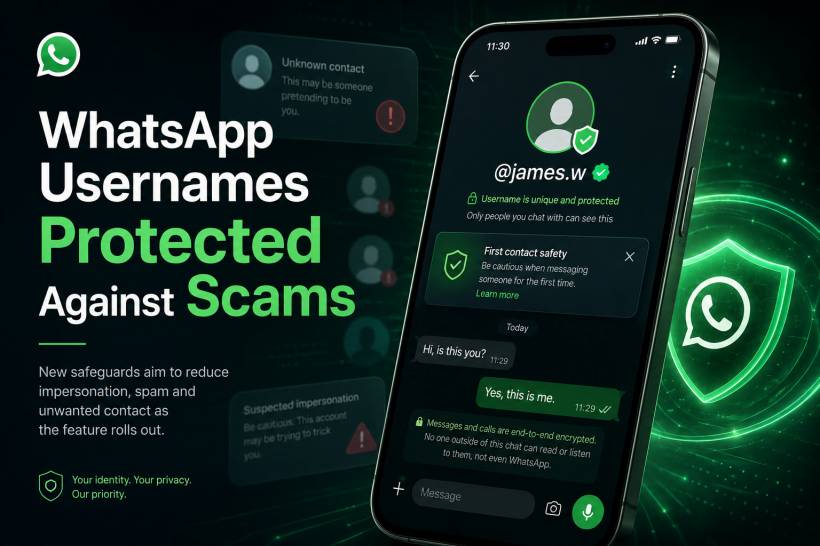
WhatsApp is preparing one of its biggest privacy-related changes in years: usernames. The feature is expected to allow people to connect without revealing their personal phone numbers, but WhatsApp says it is also building multiple safeguards to prevent scammers, impersonators and unwanted contacts from exploiting the new system.
The platform has already started allowing some users to reserve usernames in advance. However, the feature is not yet active for messaging, meaning a reserved username cannot currently be used to start conversations.
WhatsApp says the early reservation period is intended to give users time to secure their preferred handle before usernames are rolled out more widely later this year.
Usernames Will Be Optional
One of the most important points WhatsApp has clarified is that usernames will not replace phone numbers entirely.
Users who prefer the current experience will still be able to use WhatsApp exactly as they do today, with their phone number remaining the main way they connect with friends, family and contacts. Creating a username will be optional rather than compulsory.
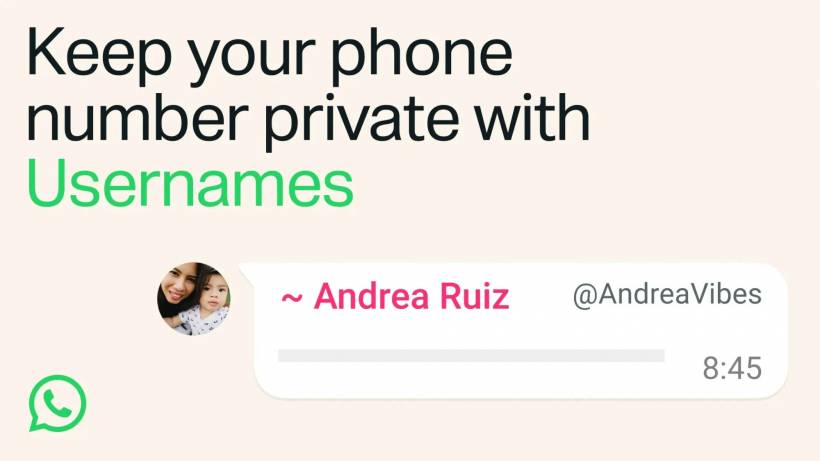
For those who choose to use one, a username could make it easier to speak with someone without immediately sharing a mobile number. This could be useful for online communities, business conversations, new acquaintances or situations where users want an extra layer of privacy.
WhatsApp also says usernames can be changed later, as long as the new preferred handle has not already been taken.
Why WhatsApp Is Allowing Early Reservations
The company appears to understand that many users will want to secure familiar usernames, especially if they already use the same handle on Instagram or Facebook.
To support this, WhatsApp says existing Instagram and Facebook usernames can be reserved by their verified owners. Users who want to claim the same handle on WhatsApp may need to temporarily link their Instagram or Facebook account to confirm ownership.
Once the username has been secured, the linked account can reportedly be removed again.
WhatsApp has also stated that claims of people buying, selling or reserving protected usernames for others are false. Reserved usernames linked to public figures, government bodies, celebrities and Meta Verified accounts can only be claimed by their legitimate owners.
This includes certain variations of well-known names, which is intended to make impersonation more difficult from the beginning.
A Stronger Focus on Impersonation Prevention
A major concern around usernames is that scammers could create handles that look similar to those used by trusted brands, public figures or people users know.
WhatsApp says it is addressing this by reserving names associated with recognised public figures, government organisations and verified Meta accounts. This should prevent someone else from simply claiming a name that could mislead users into believing they are speaking with an official or trusted contact.
For ordinary users, WhatsApp recommends choosing a unique username instead of relying on common names that may already be unavailable. The platform will also offer a username generator to help users find alternatives.
While this will not eliminate impersonation completely, it could make obvious abuse more difficult than on platforms where usernames can be freely created without verification or name protection.
New Warnings for First-Time Contacts
WhatsApp says that people receiving a message from an unfamiliar username will see additional context before responding.
This may include information such as the sender's country and a warning that it is the first time the two accounts have interacted. These indicators could help users pause and think before replying to an unexpected message.
The app's existing block and report features will remain available as well. WhatsApp says it will monitor user reports and blocking activity to identify accounts that may be attempting to abuse the username system for fraud, spam or impersonation.
This is especially important because scammers often rely on urgency, familiarity and confusion to convince people to respond. A visible warning that a conversation is new or unfamiliar may help reduce the chance of users engaging with suspicious accounts.
Usernames Will Not Be Searchable
WhatsApp has also said that usernames will not be publicly searchable.
This means users will not be able to type a random username into a search bar and find someone's profile, similar to how people cannot currently search for a person's phone number directly on the platform.
The approach is designed to limit unwanted contact and reduce the risk of usernames becoming easy targets for spam campaigns.
Users will still need to share their username directly with someone who wants to contact them, giving people more control over who can reach them.
The Username Key Adds Another Privacy Layer
One of the more interesting upcoming safeguards is a feature called the username key.
When enabled, a person will need to know both the username and its matching key before they can start a conversation through that username. This effectively creates a second piece of information that users can keep private or share only with people they trust.
For example, a user could publicly share their username but only provide the key to selected contacts. Without the correct key, strangers would not be able to initiate a conversation through that username.
WhatsApp says users will also be able to reset their username key whenever they want. Once reset, the old key would no longer work for new incoming chats.
This could be useful if the key is accidentally shared too widely, posted publicly or discovered by spammers.
A Privacy Feature That Needs Careful Rollout
The introduction of usernames could make WhatsApp more flexible, particularly for users who do not want to reveal their phone number immediately. At the same time, it creates a new channel that scammers may try to exploit.
WhatsApp's decision to make usernames optional, non-searchable and protected by additional safety features shows that the company is attempting to balance convenience with privacy.
The real test will come once username-based messaging becomes available to everyone. Whether the safeguards are enough will depend on how quickly WhatsApp can detect abuse, respond to impersonation reports and prevent scammers from adapting to the new system.
Final Thoughts
WhatsApp usernames could become a useful way to communicate without giving out a personal phone number. But their success will depend heavily on trust.
Features such as protected public-figure usernames, first-contact warnings, reporting tools and the optional username key could make the system safer than a typical public handle model.
For users, the most important takeaway is simple: usernames may offer more privacy, but caution will still matter. A new username should never automatically be treated as proof that a message is legitimate.











Comments 0