

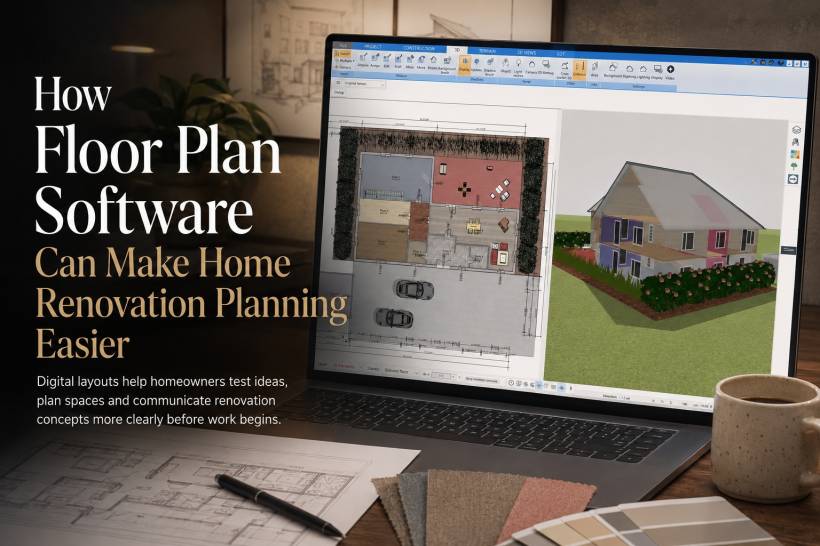
From testing furniture layouts to improving communication with contractors, a digital floor plan can help turn renovation ideas into practical decisions before work begins. Most home renovation ideas start simple. You may want a bigger kitchen, a brighter living area, a more practical bathroom, better storage or a small home office that does not take over the dining table. At first, these ideas usually live in your head, inside saved Pinterest photos, rough sketches or family conversations.
However, once actual room measurements, walls, doors, windows and furniture are involved, things become much more complicated.
A layout that looks good in your imagination may not work once you consider walking space, cabinet depth, natural light, electrical points, storage needs and how people actually move around the home. This is where floor plan software becomes helpful.
It does not replace an architect, interior designer or contractor. But it can make the early planning stage much clearer, helping you test ideas before committing to costly construction work.
Why the Floor Plan Should Come Before the Decorations
It is easy to get excited about paint colours, tiles, curtains, lighting and new furniture. Those details are important, but they should come after the layout is properly understood.
A floor plan is more than a drawing of walls and rooms. It shows how a home functions day to day. It helps you see how rooms connect, where furniture can sit comfortably and whether people can move through the space without constantly bumping into something.
For example, a living room may look spacious on paper but feel cramped after a large sofa and coffee table are added. A kitchen island may look impressive in a showroom, but it could block the pathway between the fridge, sink and cooking area.
A good floor plan helps spot these issues early, before furniture is ordered or renovation work begins.
Understanding What You Already Have
Before planning new changes, it helps to understand the existing layout properly.
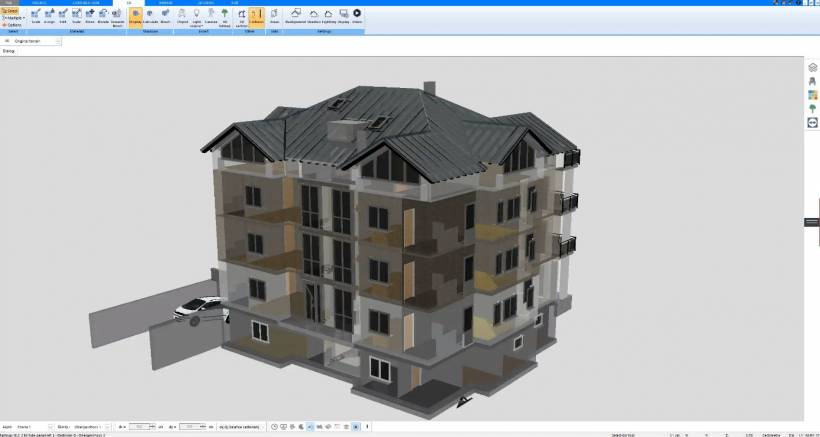
Floor plan software allows homeowners to recreate their current home digitally, including room dimensions, walls, doors, windows, stairs and fixed features. Once everything is placed on a plan, it becomes easier to see the real limitations and opportunities of the space.
You may discover that a hallway is taking up more room than expected. A bedroom may be difficult to furnish because of its door and window positions. A kitchen may feel closed off simply because the entrance and dining area are not connected efficiently.
Having a digital version of the current home gives you a more reliable starting point. Instead of making decisions based on guesswork, you can compare the existing layout with different renovation options.
Testing Ideas Before Construction Starts
A renovation rarely has only one possible solution.
There may be several ways to reposition a kitchen, create an open-plan living area, add a wardrobe, enlarge a bathroom or build a work corner. Floor plan software makes it easier to test these alternatives without committing to demolition or material orders.
A wall can be moved digitally in minutes. A doorway can be repositioned. A kitchen island can be resized. You can compare several versions of the same room and decide which one feels most practical.
This is especially useful for projects where small decisions can have a major impact, such as:
• Kitchen remodels
• Bathroom renovations
• Home extensions
• Open-plan living spaces
• Built-in storage projects
• Home office layouts
The software will not replace professional input for structural work, plumbing, electrical changes or permit requirements. However, it helps you enter those discussions with a clearer idea of what you are trying to achieve.
Why 2D and 3D Views Both Matter
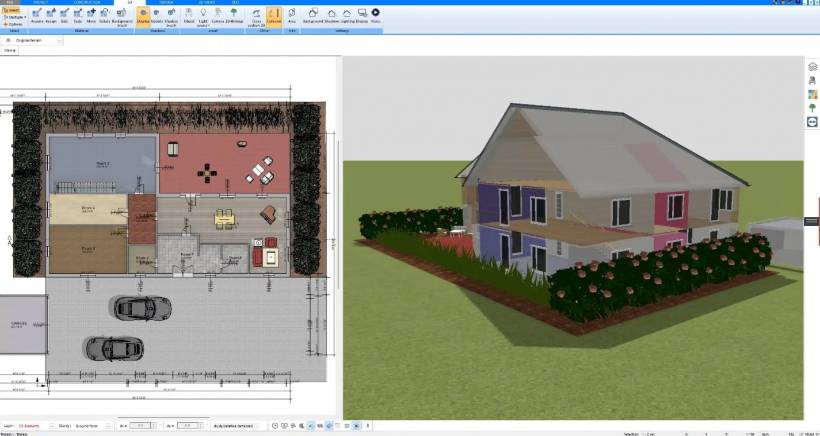
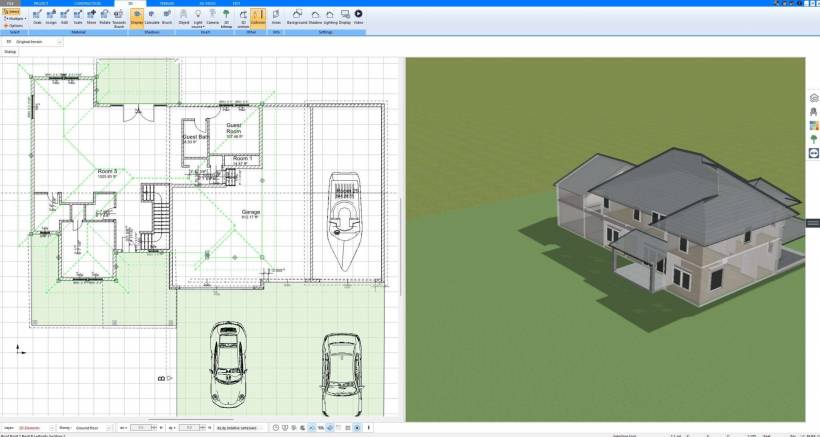
A traditional 2D floor plan is useful because it focuses on practical details. It shows room dimensions, furniture placement, walking routes and the relationship between spaces.
It can help answer important questions such as:
• Is there enough room around the dining table?
• Will the sofa fit without blocking the walkway?
• Can the bed be placed comfortably in the bedroom?
• Does the bathroom still have enough clearance after adding a vanity?
• Is there enough storage near the entrance?
A 3D view adds another layer of understanding. It gives you a better sense of height, wall openings, room volume, roof shape and how the finished space may feel.
Sometimes a layout looks perfectly fine in 2D but feels awkward when viewed in 3D. A room may appear larger or smaller than expected, while a new wall, cabinet or ceiling feature may affect the overall sense of space.
Using both views together gives you a more complete picture before renovation decisions are finalised.
Making Conversations With Contractors More Productive
Renovation projects often involve many people, including homeowners, family members, contractors, interior designers, architects and builders.
Misunderstandings can happen easily when everyone is working from verbal descriptions, WhatsApp messages or rough hand-drawn sketches.
A floor plan gives everyone a shared reference point.
Instead of saying, "We want the kitchen to feel more open," you can show a layout with the proposed wall removal, island position and dining area. Instead of explaining where you want storage near the entrance, you can mark it directly on the plan.
This makes conversations more specific and helps contractors understand the intended direction earlier. It can also make it easier to compare quotations, discuss practical limitations and identify potential issues before work begins.
Planning Furniture and Storage Earlier
Furniture should not be an afterthought.
A room may technically have enough space, but it can still feel uncomfortable if the furniture is oversized or placed without considering movement. Floor plan software helps you test whether a sofa, bed, dining table, wardrobe or desk can fit naturally within the room.
It is also useful for storage planning.
Many homes feel cluttered not because they are too small, but because storage was not considered early enough. Built-in wardrobes, entryway cabinets, pantry shelving, utility cupboards and home office storage work better when they are included in the wider layout instead of being squeezed in later.
Planning storage together with furniture and circulation can make even a modest-sized home feel much more organised.
Useful for Homeowners and Small Design Teams
Floor plan tools can be useful for many different users.
Homeowners can use them to explore renovation ideas before meeting a professional. Interior designers can create early layout concepts for clients. Small contractors and renovation companies can use visual plans to explain proposed changes more clearly.
Tools such as Plan7Architect, for example, can be used to create 2D layouts and visualise spaces in 3D. The main value is not simply producing a polished image. It is about making the planning process easier to understand and less dependent on assumptions.
Even a basic digital plan can help people make more confident decisions.
Avoiding Common Renovation Mistakes
Many expensive renovation mistakes happen because planning is rushed.
Furniture gets purchased before proper measurements are taken. Lighting is planned before the room layout is finalised. Storage is added only after the main design is complete. A new extension is considered without thinking carefully about how it connects to the original home.
A floor plan encourages you to slow down and think through the practical side of the project.
It helps you identify potential problems before they turn into construction changes, delays or additional costs. This is especially important in kitchens, bathrooms and open-plan areas, where every centimetre can affect how comfortable the finished room feels.
When You Still Need Professional Advice
Floor plan software is a valuable planning tool, but it should not be treated as a replacement for qualified professionals.
Structural alterations, electrical rewiring, plumbing relocation, drainage work, building permits and code compliance should always be reviewed by the appropriate architect, contractor, engineer or local authority.
A digital floor plan can still make those discussions easier. It gives professionals a clearer picture of your preferred layout, the issues with the existing space and the ideas you have already considered.
Final Thoughts
Floor plan software helps bridge the gap between a renovation idea and a workable plan.
It makes existing spaces easier to understand, allows multiple layouts to be tested and improves communication with everyone involved in the project. Most importantly, it helps homeowners focus on how a room will actually function, not only how it will look.
Whether you are redesigning one bedroom, renovating a kitchen, updating a bathroom or planning a full home transformation, starting with a clear floor plan can save time, reduce uncertainty and lead to a much better result.











Comments 0