

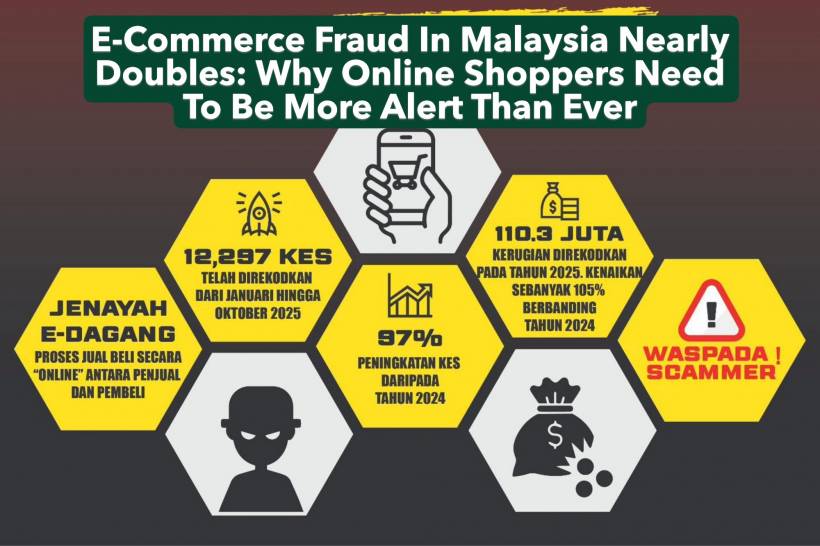
Online shopping has become second nature to Malaysians, especially with the convenience, speed and sheer variety that digital marketplaces offer. But behind the convenience lies a growing threat. According to the Commercial Crime Investigation Department (CCID) of PDRM, e-commerce fraud is not just rising; it is accelerating at an alarming pace. Their latest report paints a worrying picture, showing just how quickly cybercriminals are adapting and exploiting online shoppers.
A Sharp Spike In Reported Cases
From January to October this year alone, authorities recorded 12,297 e-commerce fraud cases. To put that number into perspective, that is a 97 percent increase compared to the same period last year. The surge shows that scammers are not only becoming more active but are also succeeding in fooling unsuspecting buyers.
This growing trend suggests a shift in consumer behaviour as well. As more Malaysians turn to online shopping for everything from daily essentials to luxury items, cybercriminals have widened their targets and refined their tactics.
RM110 Million Lost To Online Scams
Financially, the impact is just as alarming. The CCID reported total losses of RM110.3 million, representing a 105 percent jump from the previous year. These losses come from fraudulent transactions where sellers lure victims into paying for items that never arrive, or trick them into revealing personal details.
The sheer amount lost indicates that scammers are no longer operating at a small scale. Instead, many are running organised, coordinated operations designed to deceive hundreds or even thousands of victims at a time.
How Online Scammers Operate Today
E-commerce scams have evolved significantly. Criminals no longer rely on old-fashioned techniques. Instead, they use modern psychological tricks and digital manipulation. Some of the most common patterns highlighted by CCID include:
Unrealistic Prices Meant To Attract Quick Attention
Scammers know that Malaysians love a good bargain. Ultra-cheap offers, especially for popular gadgets, electronics, or branded items, remain one of the easiest ways to bait victims.
Lack of Legitimate Business Information
Many fraudulent sellers refuse to provide proper company details, contact numbers, or physical addresses. They often ask questions vaguely or avoid answering important queries altogether.
Personal Bank Accounts For Payments
Instead of using proper payment gateways or business accounts, scammers request payments to personal bank accounts. This makes tracking them extremely difficult.
Fake Reviews And Artificial Hype
Some scams rely heavily on fabricated reviews, stolen photos, or edited screenshots to create the illusion of credibility. This is especially common on social media platforms and standalone websites.
Pressure Tactics
Fraudsters often push buyers to make immediate decisions with lines like "limited stock", "last unit", or "promo ends today". The goal is simple: reduce the victim's time to think.
Poorly Secured Websites
Some scam websites are hastily built, lack SSL security, or have suspicious URLs. They mimic legitimate online stores but cannot withstand basic scrutiny.
In almost every case, victims pay for items that never arrive, and the scammer disappears soon after receiving the funds.
How Malaysians Can Protect Themselves
While scammers continue to innovate, the public can take several simple steps to stay safe while shopping online. CCID emphasises the following:
Pay Attention To Seller Behaviour
If a seller becomes pushy, vague, or overly persuasive, consider it a red flag.
Avoid Prices That Look Too Good To Be True
Huge discounts on high-value items often indicate a trap.
Stick To Official Platforms
Recognised e-commerce platforms offer better buyer protection, dispute channels and secure payment methods.
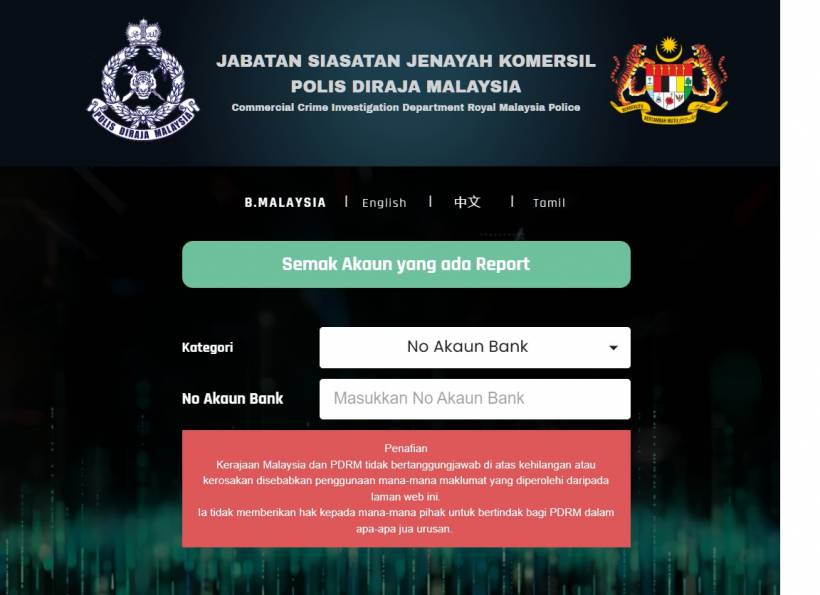
Use Semak Mule Before Transacting
The Semak Mule database allows users to verify whether the seller's bank account or phone number has been previously used for scams. This simple step can save buyers from falling victim.
Staying Safe In A Growing Digital Marketplace
E-commerce will continue to grow in Malaysia, and with it, the risks will rise. The best defence is awareness and caution. Understanding how scams work, knowing the warning signs, and taking advantage of available verification tools can significantly reduce the chances of becoming the next victim.
As online shopping becomes more embedded in everyday life, Malaysians must stay vigilant. A moment of caution can prevent a costly mistake.











Comments 0