

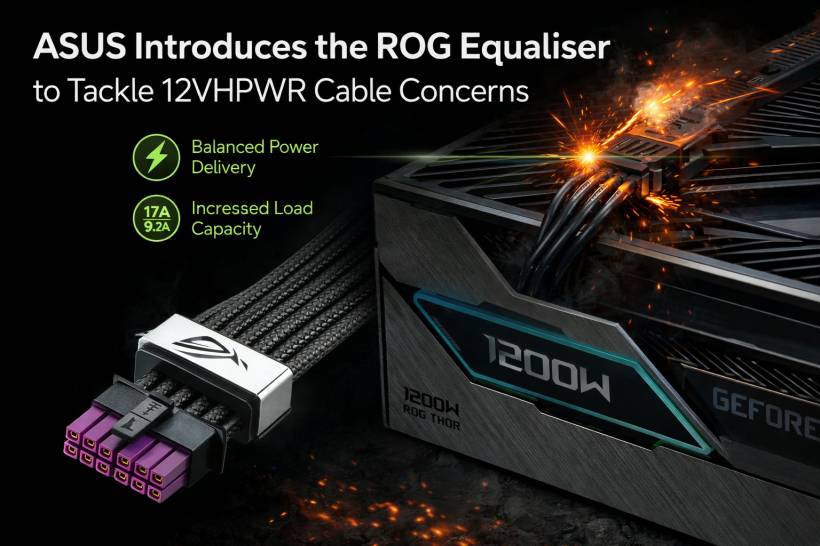
Anyone who spends enough time following PC hardware discussions has probably seen the same story repeated over and over again: high-end NVIDIA graphics cards, especially from the RTX 40 and RTX 50 series, ending up with damaged or melted 12VHPWR power connectors. It has become one of those issues that refuses to quietly disappear, and understandably, both users and hardware brands have grown tired of it.
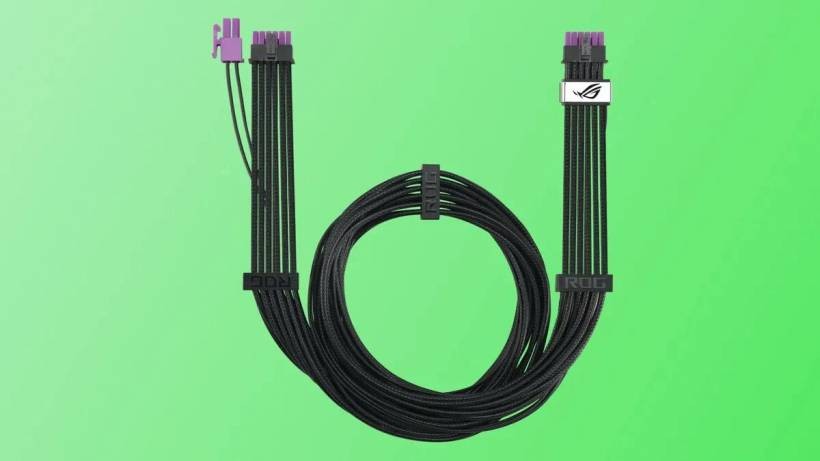
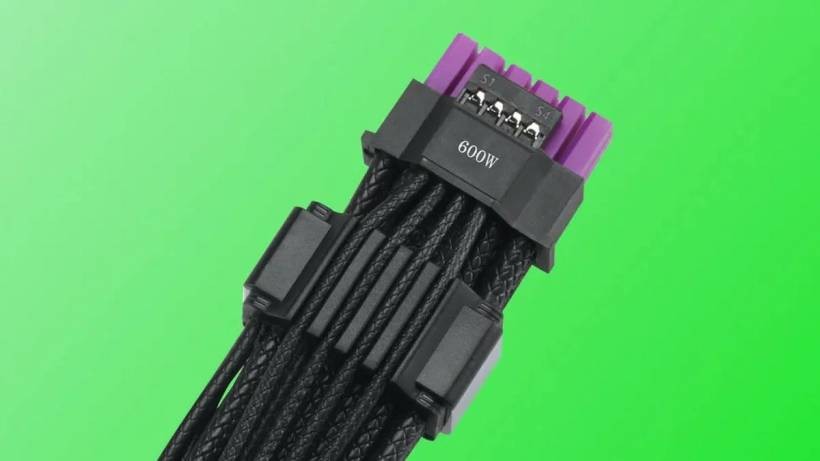
ASUS now appears to be responding directly to that frustration with a new product called the ROG Equaliser. Rather than being a power supply unit itself, this is ASUS's own upgraded take on the 12VHPWR cable, designed to improve how power is delivered to modern GeForce cards.
A Cable Designed Around a Very Specific Problem
The idea behind the ROG Equaliser is fairly straightforward. ASUS wants to reduce the risk of uneven power delivery, which has been one of the major concerns surrounding these connectors. According to the company, the cable is engineered for more balanced current distribution between the PSU and the graphics card.
In simpler terms, ASUS is trying to prevent a situation where too much electrical load ends up concentrated on a single 12V pin. When that happens, heat can build up quickly, and that is where the real danger begins. The ROG Equaliser is meant to spread the load more effectively, reducing the chances of one connection point taking more stress than it should.
Going Beyond the Usual 12VHPWR Cable Design
ASUS is also pushing the ROG Equaliser as a more heavy-duty solution compared to standard 12V-2×6 cables. The company says the new cable has a much larger load capacity. While a typical cable in this category is rated at around 9.2A per cable, the ROG Equaliser is rated at 17A per cable.
That is a substantial jump, and it gives a clearer idea of what ASUS is trying to do here. This is not just a cosmetic accessory or a rebranded bundled cable. It is being positioned as a more robust answer to a problem that has been worrying enthusiasts for quite some time.
Built for ASUS, But Not Necessarily Limited to ASUS
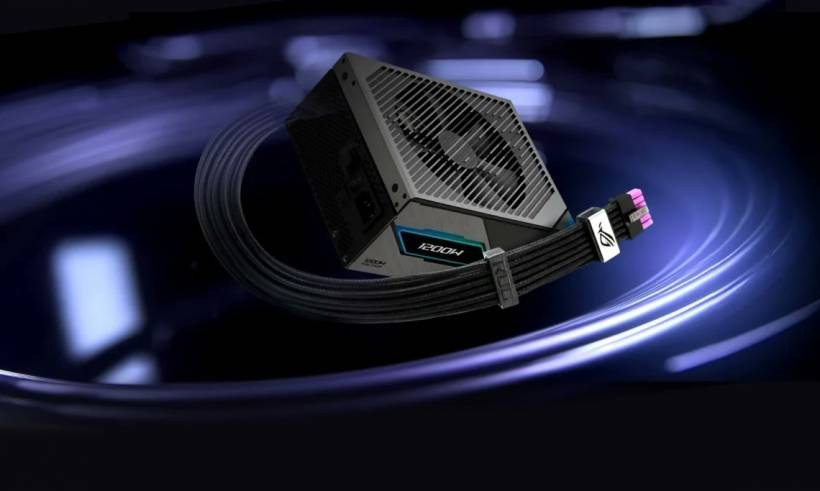
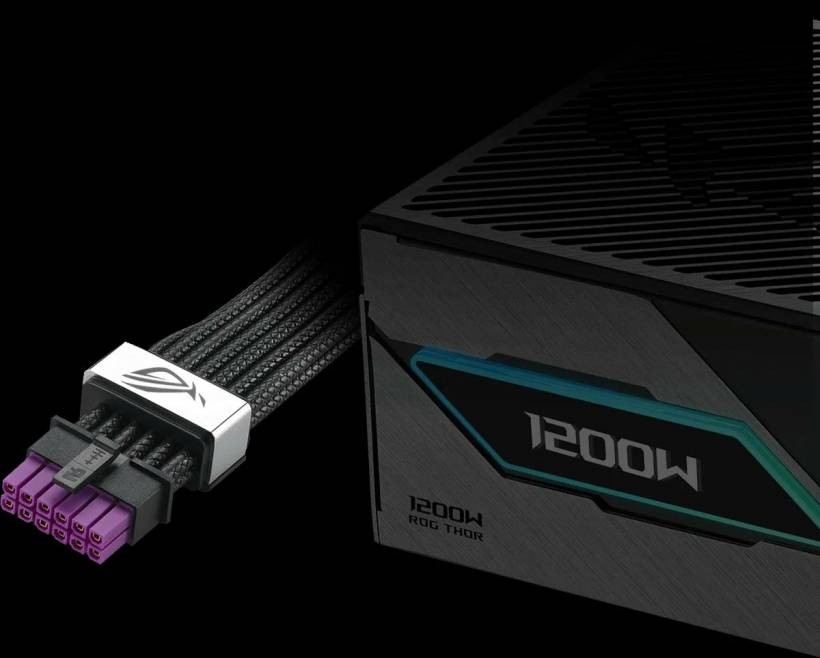
One of the more interesting aspects of the ROG Equaliser is that ASUS does not seem to be locking it down too tightly to its own ecosystem. The cable is designed to connect directly to a dedicated socket on the ROG Thor III and certain ROG Strix PSUs, but ASUS has also suggested that it may work with power supplies from other brands as long as they use a similar connector layout.
That makes the ROG Equaliser a little more notable than a typical brand-specific accessory. If it really can be used more broadly, it may attract attention from PC builders who are not necessarily using a full ASUS setup but still want a more confidence-inspiring cable solution for their GPU.
Availability Still Comes With a Catch
At the moment, ASUS has not said whether the ROG Equaliser will be sold separately as a standalone accessory. For now, the company has only confirmed that it will be bundled with selected 2026 power supply models, specifically the ASUS ROG Thor III and ASUS ROG Strix Platinum PSUs.
That means anyone hoping to buy the cable by itself may need to wait a little longer for clarification. And that is probably going to be an important detail, because a standalone option would likely make the product far more appealing to a wider group of users.
Final Thoughts
The ROG Equaliser feels like ASUS acknowledging what many PC enthusiasts have already been thinking for a while: the 12VHPWR situation has damaged confidence, and simply telling users to plug the cable in properly is no longer enough to reassure everyone.
By introducing a cable built around more balanced current delivery and higher load capacity, ASUS is clearly trying to offer a more serious and engineered response to the issue. Whether it becomes a must-have accessory will likely depend on real-world adoption, compatibility, and whether the company eventually sells it separately.
Still, as a concept, it makes sense. When a known weak point keeps showing up in expensive gaming rigs, it is only natural for brands to start looking for ways to make that part of the system feel a lot less fragile.











Comments 0