

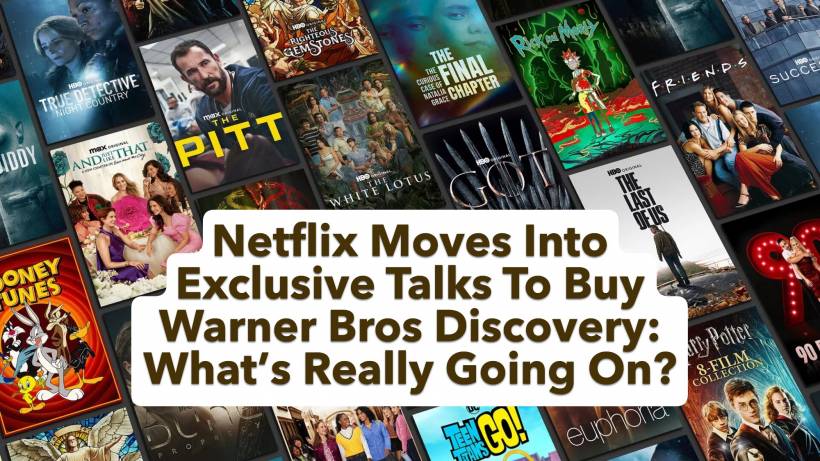
The entertainment world is buzzing again – and this time, the spotlight is on a potential mega-deal that could reshape the global streaming landscape. Netflix, the world's largest streaming service, has reportedly emerged as the front-runner to buy Warner Bros Discovery (WBD), the powerhouse behind HBO, CNN, and the legendary Warner Bros studios. If this acquisition goes through, it would mark one of the biggest entertainment mergers in recent years.
Let's unpack what this all means, why it matters, and what could happen next.
A Bold Bid That Could Redefine Streaming
According to reports from Bloomberg and major US outlets, Netflix has put forward the leading offer for WBD, valuing the company at US$28–US$30 per share. That translates to a jaw-dropping US$70–75 billion, or roughly RM287–308 billion.
For context, that's larger than the valuations of many national media companies combined. It signals how serious Netflix is about securing an even stronger foothold in the industry as competition in streaming continues to intensify.
Why WBD Put Itself Up for Sale
Warner Bros Discovery officially signaled that it was open to being acquired back in October. The announcement came after the company had already received multiple unsolicited offers, which led to internal discussions about whether splitting the company into separate streaming and cable divisions made financial sense.
Instead of proceeding with that breakup plan, WBD opened the doors for bidders. Major players quickly jumped in – Paramount, Skydance, Comcast, and a few others – but Netflix rapidly climbed to the top of the list.
A Deal With Big Stakes – and a Big Breakup Fee
One interesting twist in the bidding process is Netflix's offer of a US$5 billion termination fee. This means if regulators block the merger, Netflix is willing to pay WBD billions as compensation.
Paramount reportedly offered a similar safety net, and even argued that its merger would face fewer regulatory hurdles. In fact, Paramount publicly called the bidding process "tainted", suggesting that WBD was giving Netflix an unfair advantage – a sign of just how competitive and politically charged this auction has become.
What Netflix Would Gain: A Massive Content Empire
If Netflix succeeds, it would instantly take control of some of the most iconic brands in entertainment history:
This would not just be a content boost – it would fundamentally expand Netflix's studio operations and allow it to own, produce, and distribute a much broader range of blockbuster films and series.
Reports also indicate that Netflix has assured WBD it will maintain wide theatrical releases for big Warner Bros films. This is important because traditional cinema is still a huge revenue generator for the studio's biggest franchises.
How Netflix Plans to Pay for the Deal
A takeover of this size requires equally massive financing. Bloomberg reports that Netflix is already working on a bridge loan worth tens of billions of dollars to complete the purchase.
With over 280 million subscribers globally, Netflix has the scale – but integrating a major studio of this size comes with operational, financial, and regulatory challenges.
But First, WBD Wants to Spin Off Its Cable Networks
Before signing off on any acquisition, WBD intends to carve out its traditional cable assets – CNN, TBS, and TNT – into a separate entity.
This spin-off would simplify the deal and reduce regulatory friction, since cable networks are subject to different rules and scrutiny than streaming and film studios.
The Biggest Hurdle: Regulators
This is where things get complicated. Combining Netflix and HBO Max would merge two of the largest streaming platforms in the US. Regulators could see this as a threat to competition — potentially reducing consumer choice and driving up prices.
Approval would likely need to come not just from US antitrust authorities, but also regulators in multiple major markets where both companies operate.
Analysts warn that regulatory decisions will ultimately determine whether the deal becomes a reality or fades into another chapter of "what-could-have-been" in Hollywood's merger history.
What Happens Next?
The industry will be watching closely in the coming months as exclusivity talks unfold. If Netflix successfully navigates the regulatory maze and final terms are agreed upon, this acquisition could reshape the next decade of streaming, cinema, and global entertainment strategy.
For now, one thing is clear: this isn't just another corporate deal. It's a potential seismic shift in how movies and series will be created, distributed, and consumed worldwide.











Comments 0