

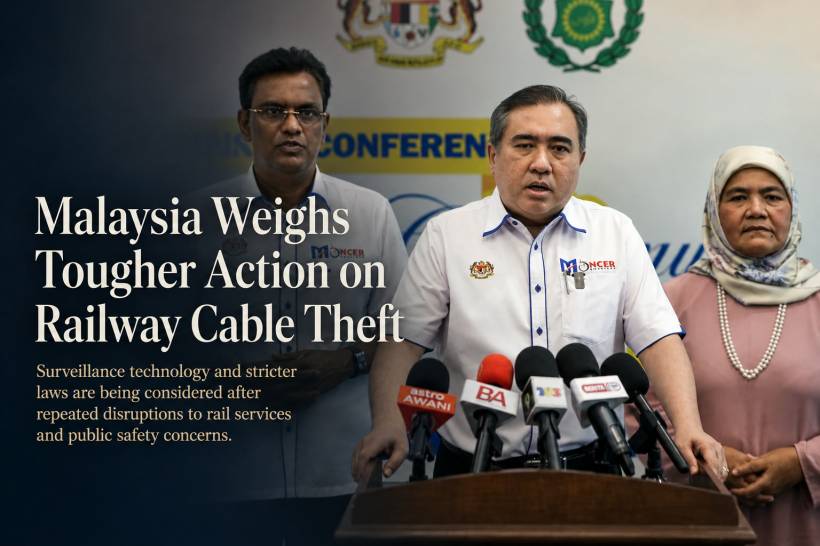
Cable theft may sound like a straightforward criminal act, but when it involves railway infrastructure, the impact can be far more serious than the loss of metal or equipment. In Malaysia, the government is now looking at stronger measures to deal with the issue, including the possible use of surveillance and monitoring technology along railway lines.
Transport Minister Anthony Loke has said that the Ministry of Transport is studying more effective ways to prevent cable theft from continuing, especially after repeated incidents have disrupted train operations. The problem has become particularly serious in the northern part of Peninsular Malaysia, where railway services have been affected by stolen cables.
Why Cable Theft Is More Than Ordinary Theft
At first glance, cable theft may appear to be just another case of stolen property. However, railway cables are part of a much larger system that supports train movement, signalling, communications, and overall operational safety. When these cables are removed or damaged, the consequences can quickly spread beyond repair costs.
Loke stressed that this type of theft should not be treated as normal theft because it can interrupt public transport services and put passengers at risk. From the government's point of view, the issue is not only about crime prevention. It also touches on public safety, transport reliability, and national infrastructure security.
When train services are disrupted, thousands of passengers can be affected. Some may miss work, appointments, connecting transport, or important travel plans. During festive periods or long weekends, the impact becomes even more obvious because public demand for rail services is usually higher.
The Government Is Considering Monitoring Technology
One of the approaches being considered is the use of better surveillance and monitoring technology. This could help authorities detect suspicious movement or tampering near railway assets before serious damage is done.
Monitoring a railway network is not the same as monitoring a building, station, or small compound. Malaysia's rail network stretches across long distances, with some tracks passing through remote or less populated areas. These locations are often harder to patrol regularly, making them attractive targets for thieves.
The minister noted that the national rail network covers about 1,000 kilometres. That distance creates a major enforcement challenge. Even with patrols and enforcement action, it is difficult to keep every section of track under constant watch, especially in isolated stretches.
This is where technology may play an important role. Surveillance systems, sensors, alarms, and other detection tools could potentially help railway operators and authorities respond faster when cable theft attempts happen. While no single solution can completely remove the risk, a stronger monitoring system could make theft more difficult and reduce repeated incidents.
Tougher Laws Are Also Being Discussed
Beyond technology, the Transport Ministry is also discussing possible legal improvements with the Home Ministry. The aim is to look at whether existing laws are strong enough to deal with cable theft involving critical infrastructure.
This is important because the damage caused by railway cable theft can be far greater than the value of the stolen copper itself. A small group of thieves may steal cables for resale, but the resulting disruption can affect public transport, railway operators, passengers, businesses, and emergency travel arrangements.
Loke also pointed out that the high price of copper may be one of the reasons cable theft remains common. As long as stolen copper has resale value, railway cables and other infrastructure assets will continue to be attractive targets for criminals.
Because of this, enforcement may need to go beyond catching thieves at the railway line. Authorities may also need to examine the wider chain, including illegal buyers, scrap dealers, and resale channels that allow stolen materials to be converted into cash.
A Difficult Problem for Railway Operators
Railway cable theft is difficult to control because train infrastructure is naturally spread out. Unlike airports or bus terminals, railways run across towns, rural areas, industrial zones, estates, and remote corridors. Some sections are open and accessible, which makes physical protection much harder.
Even if security teams respond quickly, thieves may only need a short window of time to cut and remove cables. By the time the damage is detected, train operations may already be affected. Repairs then require technical teams to inspect the affected area, replace the stolen or damaged cables, test the systems, and make sure services can resume safely.
This means passengers may experience delays or cancellations even after the theft itself has ended. For railway operators, the problem becomes both a security issue and an operational headache.
Malaysia Is Looking at How Other Countries Handle the Issue
The government is also studying how other countries deal with similar cable theft problems. Loke acknowledged that this is not an issue unique to Malaysia. Any country with a rail network can face the same challenge, especially where valuable metals are used in exposed infrastructure.
Some countries may already have stronger systems in place, whether through better monitoring, stricter laws, faster response teams, or tighter controls on scrap metal trading. Malaysia is now looking at these examples to see which solutions may be suitable for the local rail environment.
This is a practical approach because railway security cannot depend only on one method. Technology, law enforcement, legal deterrence, public reporting, and industry cooperation all need to work together.
Recent Theft Caused Major ETS and Komuter Disruptions
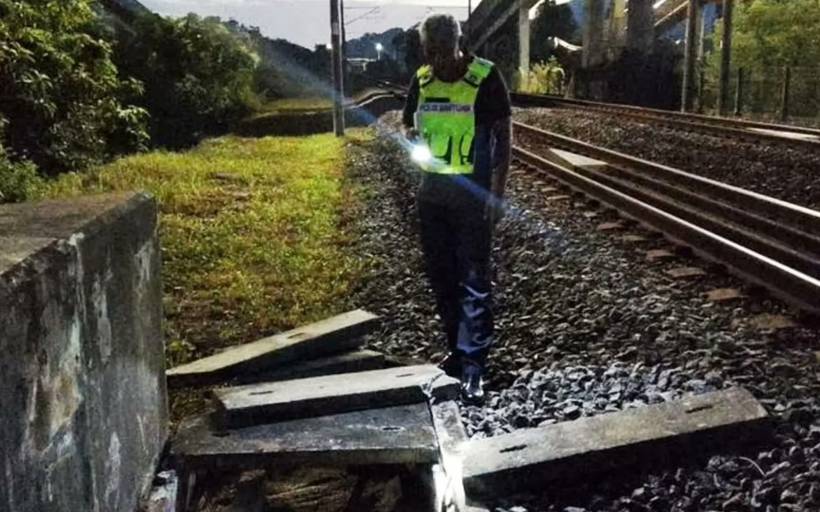
The latest concern comes after around 100 metres of cable were reportedly stolen between Sungai Siput and Kamunting earlier this week. The incident caused major disruption to Electric Train Service and KTM Komuter Utara operations, just as many people were preparing to travel ahead of the Hari Raya Aidiladha holiday.
That timing made the disruption even more frustrating for passengers. Festive travel periods are already busy, and any interruption to rail services can quickly create a ripple effect across travel plans.
The incident also shows why the government is treating cable theft as a serious infrastructure problem. It is not just about replacing missing cables. It is about protecting the reliability of public transport and making sure railway users can travel safely and with confidence.
Final Thoughts
Cable theft may not always receive the same attention as larger transport issues, but its impact can be immediate and disruptive. For a railway system, cables are not minor accessories. They are part of the infrastructure that keeps services moving safely and efficiently.
Malaysia's move to consider surveillance technology and tougher laws is a sign that the issue is being taken more seriously. The challenge now is to find a practical balance between prevention, enforcement, and long-term infrastructure protection.
If the government can combine smarter monitoring, stronger penalties, better enforcement, and tighter control over the resale of stolen materials, it may become much harder for cable thieves to continue disrupting public transport. For passengers, that would mean fewer unexpected delays, safer railway operations, and a more reliable train network overall.











Comments 0