

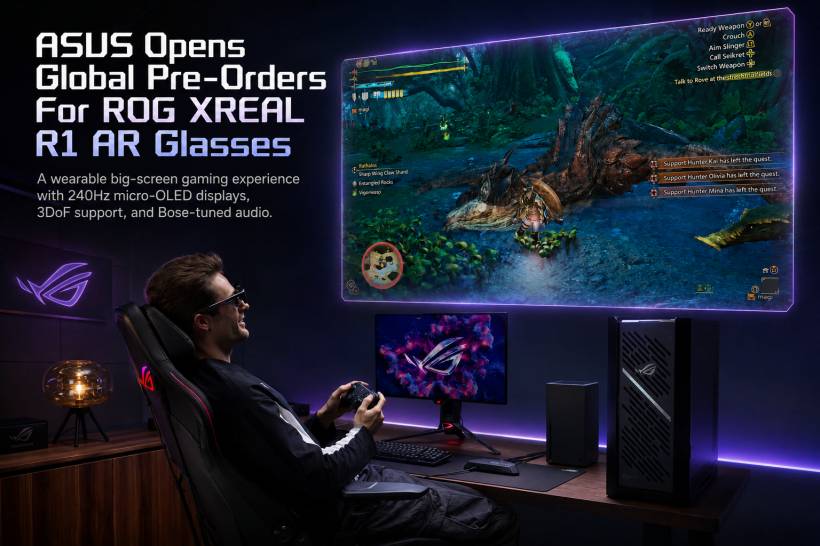
ASUS has officially opened global pre-orders for the ROG XREAL R1 AR glasses, bringing one of its more interesting gaming-focused display accessories closer to release. The glasses were first introduced as part of ASUS' CES lineup, but the company says the product has since gone through months of refinement to deliver a more complete experience built around the ROG gaming ecosystem.
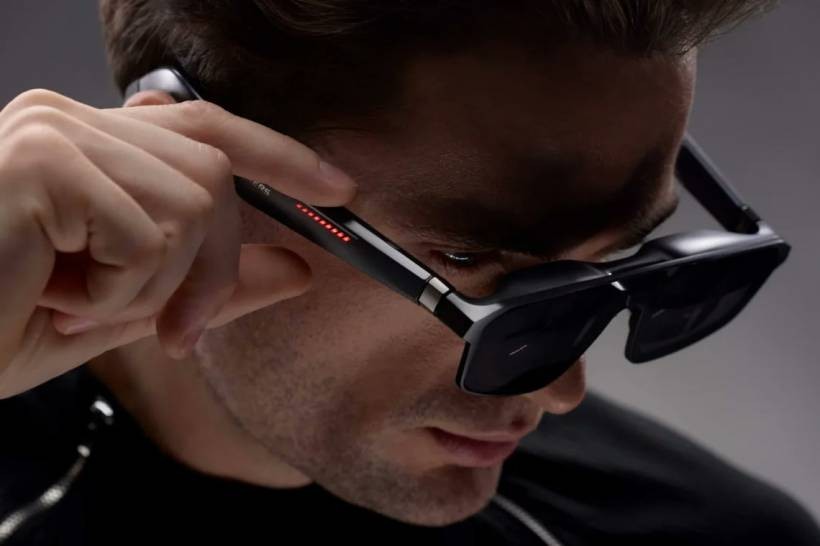
At first glance, the ROG XREAL R1 is not just another portable display replacement. It is designed to give users a large virtual screen experience through a pair of AR glasses, making it especially appealing for gamers, frequent travellers, handheld console users, and anyone who wants a more private big-screen setup without needing an actual monitor or TV.
A Virtual Big Screen In A Pair Of Glasses
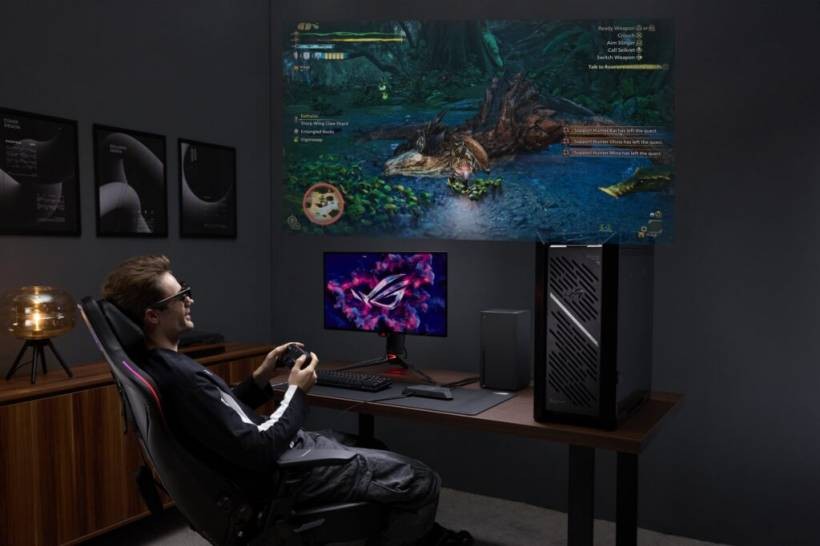
The main attraction of the ASUS ROG XREAL R1 is its display setup. The glasses use 240Hz micro-OLED panels, allowing them to simulate a large virtual 171-inch Full HD screen when viewed from a distance of around four metres. That is the kind of screen size that would normally require a projector or very large TV, but here it is being presented through a wearable display.
ASUS also says the glasses provide a 57-degree field of view, covering around 95% of the viewing area. In practical terms, this should make the virtual screen feel more immersive and less like looking through a tiny floating window.
For users who prefer resolution over refresh rate, there is also an option to increase the output up to 4K. However, doing so lowers the refresh rate to 60Hz. This gives users a choice depending on what they are doing. Fast-paced games may benefit more from the smoother 240Hz Full HD mode, while movies, productivity work, or slower-paced content may be better suited to the sharper 4K option.
Built Around Spatial Computing
One of the key components inside the ROG XREAL R1 is the X1 spatial computing chip. This chip enables native Three Degrees of Freedom support, commonly known as 3DoF. In simple terms, this allows the glasses to better understand head movement and position the virtual screen more naturally in front of the wearer.
This also means users can adjust the virtual screen according to preference. The display can be moved closer or further away, enlarged or reduced, and anchored in a fixed position. That anchoring feature is important because it helps the screen behave more like a real display placed in the environment, instead of constantly floating directly in front of the user's face.
For gaming and entertainment, this can make the experience feel more comfortable and immersive. It also makes the glasses more flexible because different users may prefer different virtual screen sizes and viewing distances.
Electrochromatic Dimming Adds Practical Flexibility
Another interesting feature of the ROG XREAL R1 is Electrochromatic Dimming. This allows the lenses to change their tint depending on how the glasses are being used.
When the wearer looks away from an anchored virtual screen, the lenses can become transparent. When the user looks back at the screen, the tint returns. ASUS also provides three dimming levels, allowing users to adjust how much outside visibility or screen focus they want.
This feature matters because AR glasses need to balance immersion with awareness of the real world. A fixed dark tint may be good for screen visibility, but it can become inconvenient when users need to look around, talk to someone, or interact with their surroundings. Electrochromatic Dimming gives the glasses more flexibility and makes them feel less like a single-purpose wearable display.
Bose-Tuned Audio For A More Complete Experience
The ROG XREAL R1 also includes built-in sound output tuned by Bose. This helps strengthen the entertainment and gaming focus of the glasses, since visuals alone are only part of the experience.
For users who want a compact setup, built-in audio means they may not always need to rely on separate earbuds or headphones. Of course, serious gamers may still prefer dedicated audio gear, but Bose-tuned sound should make the glasses more convenient for casual gaming, video streaming, and travel use.
This also fits the broader idea of the product. ASUS is not only trying to create a display accessory. It is trying to offer a more complete portable entertainment environment.
Global Pre-Order Price And Shipping Details
For the global market, ASUS has priced the ROG XREAL R1 at US$849, which is roughly around RM3,358. Shipping is expected to begin on 1 June.
That places the glasses firmly in the premium accessory category. They are not priced like a casual add-on, and they will likely appeal most to users who already have a strong use case for portable gaming, handheld PC gaming, console streaming, or private big-screen entertainment.
In Malaysia, however, local availability has not been confirmed yet. ASUS' local representatives reportedly said that Malaysian market details will only be announced sometime in June. That means local pricing, official launch date, and availability through Malaysian retailers are still pending.
Who The ROG XREAL R1 Is Really For
The ROG XREAL R1 looks like a product aimed at a very specific type of user. It is not meant to replace a normal monitor for everyone, but it could be useful for people who want a large private screen without being tied to a desk.
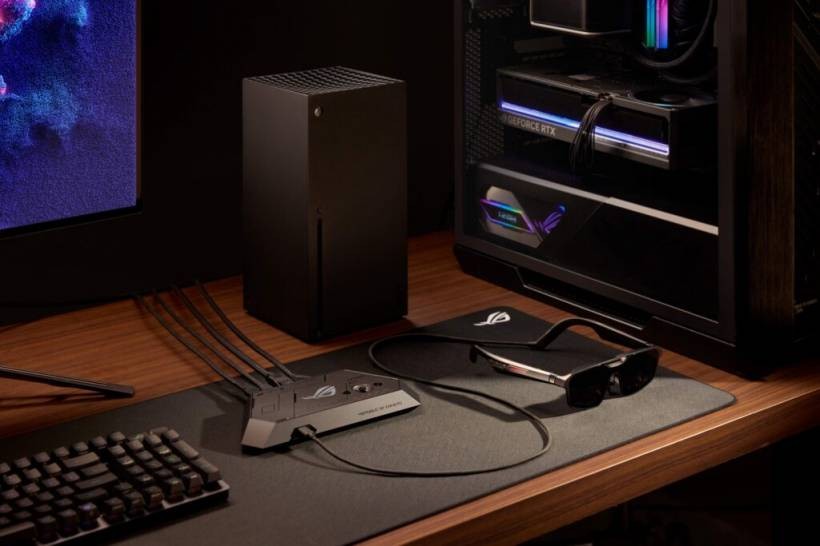
Handheld gaming PC users may find it especially appealing, since a device like the ROG Ally can feel more immersive when paired with a much larger virtual display. Console users, laptop users, and frequent travellers may also appreciate being able to carry a big-screen experience in a compact form.
The main question will be comfort, compatibility, and whether the virtual display experience feels natural enough for long gaming sessions. These are the kinds of things that specifications alone cannot fully answer. For a product like this, real-world usage will matter a lot.
Final Thoughts
The ASUS ROG XREAL R1 is an interesting step forward for gaming-focused AR glasses. With 240Hz micro-OLED displays, a large virtual Full HD screen, optional 4K output, spatial computing support, Electrochromatic Dimming, and Bose-tuned audio, ASUS is clearly positioning it as a premium wearable display for immersive gaming and entertainment.
Its global pre-order price of US$849 shows that this is not a mainstream budget accessory, but rather a high-end device for users who want a portable big-screen experience. For Malaysian buyers, the next key detail will be local availability and pricing, which ASUS is expected to announce in June.
If ASUS can deliver a comfortable and polished experience, the ROG XREAL R1 could become a compelling companion for handheld gaming, travel entertainment, and private large-screen viewing.











Comments 1