

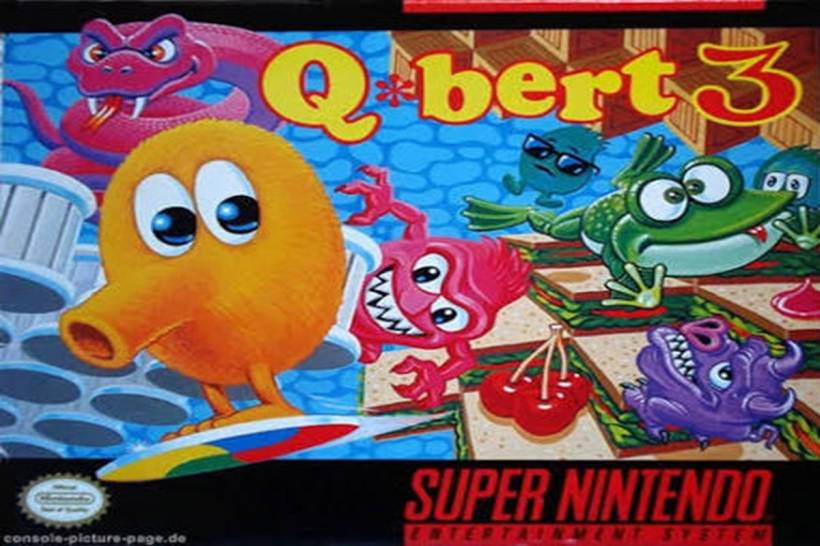
Q*bert 3 is a classic puzzle-action game that continues the memorable cube-hopping formula of one of arcade gaming's most recognizable puzzle characters. Built around an isometric board, changing cube colors, avoiding enemies, and planning each jump carefully, the game keeps the core idea simple while adding a colorful retro presentation and a steady sense of challenge. It is a game that looks easy to understand at first, but quickly becomes more demanding as movement, timing, and enemy pressure begin to overlap.
The appeal of Q*bert 3 comes from how focused its design is. The player's goal is clear: move across the board, change the required cube colors, avoid danger, and complete the pattern. Yet within that simple objective, the game creates tension through enemy movement, limited space, and the need to think ahead. Each jump matters, and each mistake can quickly turn a controlled puzzle into a chaotic scramble for survival.
Now playable online through Lemon Web Games, Q*bert 3 can be experienced directly in the browser as part of a growing collection of classic games preserved for modern players. Its web-based availability makes it easier to revisit a bright, clever, and addictive puzzle-action game that still feels enjoyable because of its simple rules, fast decisions, and old-school arcade personality.
A Puzzle Game Built Around Movement
Q*bert 3 is unusual because its puzzle design is based almost entirely on movement. The player does not solve puzzles by selecting pieces, matching tiles, or answering questions. Instead, the solution comes from physically moving across an isometric board and changing cube colors through each jump. This gives the game a more active feeling than many traditional puzzle titles.
That movement-based structure is one of the reasons the game remains memorable. Every decision is both a puzzle choice and an action input. Jumping to the wrong cube may waste time, trap the player, or create danger from approaching enemies. This means the player must think and react at the same time, creating a balance between strategy and reflex.
The isometric board also gives movement a distinctive rhythm. Because the playfield is angled, the player must understand direction carefully and plan routes with precision. This gives Q*bert 3 a unique feel that stands apart from flat-grid puzzle games. The challenge is not only knowing where to go, but also moving there safely under pressure.
Simple Rules with Addictive Depth
One of the strengths of Q*bert 3 is how quickly its basic rules can be understood. Players jump from cube to cube, changing colors until the board meets the required pattern. This simple idea makes the game approachable, even for players who are new to the series. The objective is easy to explain, and the first moments of play immediately communicate what the game is about.
However, the depth comes from how the game builds pressure around that simple idea. Enemies move across the board, hazards interrupt the player's route, and later stages require more careful planning. What begins as a simple color-changing task becomes a test of awareness, timing, and route management. The game gradually turns a basic mechanic into a layered challenge.
This is classic arcade design at its best. The player is not overwhelmed by complicated systems, but the game still offers enough challenge to encourage repeated attempts. Q*bert 3 succeeds because it takes one strong idea and builds around it with clarity, making the experience easy to start but difficult to master.
Isometric Boards and Visual Personality
The isometric board design is central to the identity of Q*bert 3. The cube pyramid creates an instantly recognizable playfield, giving the game a strong visual shape and a clear sense of space. This style makes the board feel playful and abstract, while also giving the player a constant spatial challenge.
The colorful presentation adds to the game's charm. Q*bert 3 feels bright, lively, and full of personality, using its visuals to make the puzzle-action structure more inviting. The cube colors, enemy designs, and character movement all contribute to a playful retro atmosphere that helps the game remain memorable.
This visual identity matters because puzzle games often depend on clarity. Players need to understand the board quickly, recognize changes, and react to threats. Q*bert 3 manages to stay readable while still feeling colorful and expressive. That balance between function and personality is part of what gives the game lasting appeal.
Enemy Pressure and Fast Decisions
Enemies are what turn Q*bert 3 from a simple board puzzle into a tense action challenge. If the player only had to change cube colors without interference, the game would be much slower and more predictable. Instead, enemy movement forces quick decisions and makes every route more dangerous.
This pressure keeps the player constantly engaged. A safe path can suddenly become risky, and a planned route may need to change quickly when enemies move into position. The player must stay aware of both the color pattern and the immediate danger on the board. This creates a satisfying tension between long-term planning and short-term survival.
The best moments in Q*bert 3 often come when the player escapes danger while still completing the objective. Those moments feel rewarding because they combine puzzle logic with action skill. The game asks players to think quickly, move carefully, and stay calm even when the board becomes crowded with threats.
Old-School Arcade Challenge and Replay Value
Q*bert 3 carries the replayable spirit of classic arcade games. The challenge is built around improving with each attempt, learning enemy behavior, understanding board patterns, and making better decisions under pressure. The more the player plays, the more they begin to recognize efficient routes and safer movement choices.
This replay value is important because the game's structure is naturally suited to repeated play. Each stage presents a clear goal, and failure often feels like something the player can learn from. A mistimed jump, a poor route, or a risky decision becomes part of the learning process. This encourages players to try again and perform better.
The old-school challenge also gives the game a strong sense of satisfaction. Q*bert 3 does not rely on long progression systems to keep players involved. Instead, it rewards skill, focus, and familiarity. That makes it appealing for players who enjoy classic games where improvement comes from practice and attention.
Why Q*bert 3 Still Feels Enjoyable
Q*bert 3 still feels enjoyable because its core design remains strong. The idea of hopping across cubes to change colors is simple, unique, and immediately recognizable. It gives the game a clear identity, while enemy pressure and stage variety keep the experience from feeling too easy or repetitive.
The game also benefits from its cheerful personality. Its colorful visuals, unusual board design, and strange enemies create a playful atmosphere that helps balance the challenge. Even when the game becomes difficult, it maintains a light and charming tone that makes repeated attempts feel inviting rather than frustrating.
For modern players, Q*bert 3 offers a refreshing kind of puzzle-action experience. It is easy to understand, quick to play, and built around a mechanic that still feels distinct. Its combination of planning, movement, reflexes, and arcade pressure gives it a lasting appeal within the classic game library.
Playing Q*bert 3 Online Today
Through Lemon Web Games, Q*bert 3 can now be played directly in your web browser with no downloads or setup required. Features of the web-based version include:
• Browser-based play for quick access
• No installation required
• Classic puzzle-action gameplay preserved for modern players
• Isometric cube-hopping boards with color-changing objectives
• Enemy pressure, quick thinking, and old-school arcade challenge
• Accessible play through Lemon Web Games
Playing Q*bert 3 online today makes the game easier to revisit without the usual setup barriers that can come with older titles. The browser format suits the game well because its arcade-style structure is built for quick access, repeated attempts, and immediate engagement.
This accessibility helps preserve the game's simple strengths. Q*bert 3 is best enjoyed by jumping into the board, learning the patterns, and improving through play. Through Lemon Web Games, returning fans and new players can experience its colorful puzzle-action design in a convenient browser-based format.
Who Should Play Q*bert 3
• Players who enjoy classic puzzle-action games
• Fans of arcade-style challenges with simple rules
• Retro game fans who like isometric board design
• Players who enjoy quick thinking and movement-based puzzles
• Fans of colorful old-school games with strong personality
• Anyone looking for a browser-playable classic with replay value
Q*bert 3 is especially suitable for players who enjoy games that combine thinking and reflexes. It is not a slow puzzle game, but it is also not pure action. The fun comes from balancing route planning with quick movement, making it appealing for players who enjoy both strategy and arcade pressure.
It is also a good choice for retro fans looking for a game with a distinct identity. The cube-hopping structure, colorful presentation, and recognizable character make Q*bert 3 stand apart from many other classic games. For players who appreciate simple ideas executed well, it remains a charming and worthwhile experience.
Play Q*bert 3 Online Now
Q*bert 3 is now available to play online through Lemon Web Games, giving players a simple way to revisit this classic puzzle-action game directly in the browser. Its web-based format makes it easy to start playing without downloads or setup, while preserving the colorful board design and old-school challenge that define the experience.
For players browsing the Lemon Web Games library, Q*bert 3 offers a bright and engaging change of pace. It combines puzzle-solving, movement, enemy avoidance, and arcade replay value into a game that feels simple at first but increasingly challenging as the stages progress. That makes it a strong choice for players who enjoy retro games with clear goals and lasting replayability.
Playing Q*bert 3 today is a chance to experience a classic puzzle-action formula that still feels unique. Its isometric boards, color-changing objectives, and fast decision-making give it a memorable place among browser-playable retro games.
Final Thoughts
Q*bert 3 remains enjoyable because it takes a simple idea and turns it into a lively, challenging, and memorable puzzle-action experience. The act of jumping across cubes to change colors may sound basic, but the game builds real tension through enemy movement, route planning, and the constant need to think ahead. That combination gives the experience a strong rhythm that still works today.
Its charm comes from the balance between accessibility and challenge. New players can understand the objective quickly, but mastering the board requires patience, timing, and careful decision-making. The colorful presentation and playful personality make the game inviting, while the old-school difficulty keeps it engaging across repeated attempts.
Through Lemon Web Games, Qbert 3 becomes easier to revisit and preserve for modern players. It remains a worthwhile classic because its design is focused, distinctive, and full of arcade character. For anyone who enjoys retro puzzle games with movement, pressure, and personality, Qbert 3 still offers a bright and satisfying classic experience.











Comments 0