

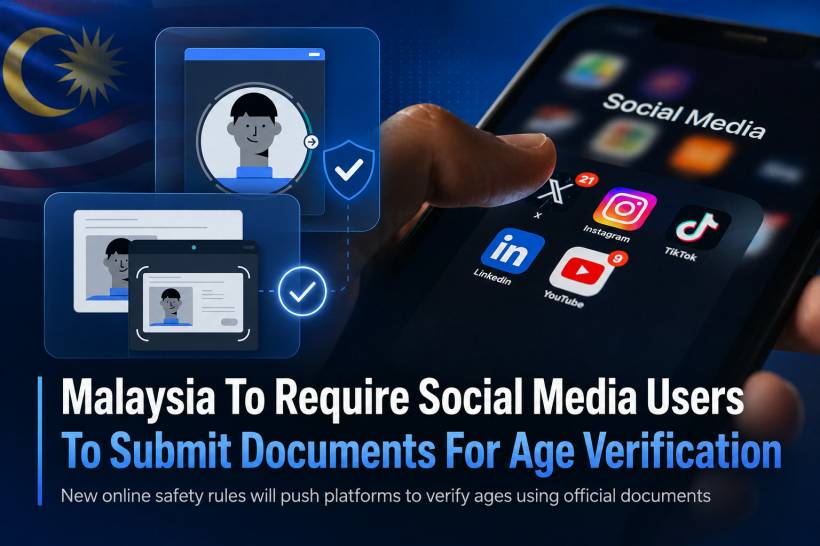
Malaysia is preparing to introduce stricter age verification requirements for social media users as part of the upcoming Online Safety Act implementation. Starting from 1 June 2026, social media platforms operating in the country will be expected to verify users' ages using official government-issued documents, such as identity cards, passports, or other recognised documents.
The move is part of a broader effort to improve online safety, especially for children and teenagers. For years, many platforms have relied on users simply entering their date of birth or clicking a box to confirm that they are above a certain age. The problem with that approach is obvious: anyone can claim to be older than they really are.
With the new rules, the Malaysian government wants platforms to take age verification more seriously. Instead of depending only on self-declared information, platforms will need to introduce stronger checks to confirm whether users meet the required age limits for certain online spaces, features, or content.
Part Of The Online Safety Act Framework
The new requirement falls under two codes introduced under the Online Safety Act, namely the Children's Protection Code and the Risk Mitigation Code. These codes were introduced by the Malaysian Communications and Multimedia Commission as part of the wider rollout of online safety regulations.
Deputy Communications Minister Teo Nie Ching explained that the aim is to prevent users from easily bypassing age restrictions. If platforms only ask users to declare their own age, the system becomes weak because underage users can simply click that they are above 18.
By requiring official documents, the government is pushing platforms to introduce a more reliable verification process. This is especially relevant for social media platforms where younger users may be exposed to harmful content, inappropriate interactions, scams, cyberbullying, or other online risks.
Platforms Will Decide Their Own Verification Method
One important detail is that MCMC is not forcing every platform to use one specific technology or system. Instead, each platform will be responsible for deciding how it wants to verify users' ages while complying with the new rules.
This means TikTok, Facebook, Instagram, and other platforms may not all use the same method. One platform may use document upload, another may use a third-party verification provider, while another may combine document checks with facial age estimation or account-based risk assessment.
On one hand, this gives platforms flexibility. Large social media companies already operate in many countries and may have their own age verification systems ready. On the other hand, it could also create confusion if each platform handles verification differently. Users may face different processes, different privacy notices, and different levels of convenience depending on the platform they use.
Existing Users May Be Given A Grace Period
The government is also expected to allow a grace period for existing users to complete the verification process. This is important because forcing millions of users to verify themselves immediately could create technical problems and public frustration.
According to Teo, MCMC is still discussing a reasonable timeframe with major platforms, including TikTok, Facebook, and Instagram. This suggests that enforcement may not happen overnight for existing accounts, even though the codes are scheduled to take effect from 1 June 2026.
Users who fail to complete the age verification process may eventually face account restrictions or account closure. However, the exact enforcement method has not been fully detailed yet. Platforms may choose to limit certain features first before taking stronger action, depending on how they design their compliance process.
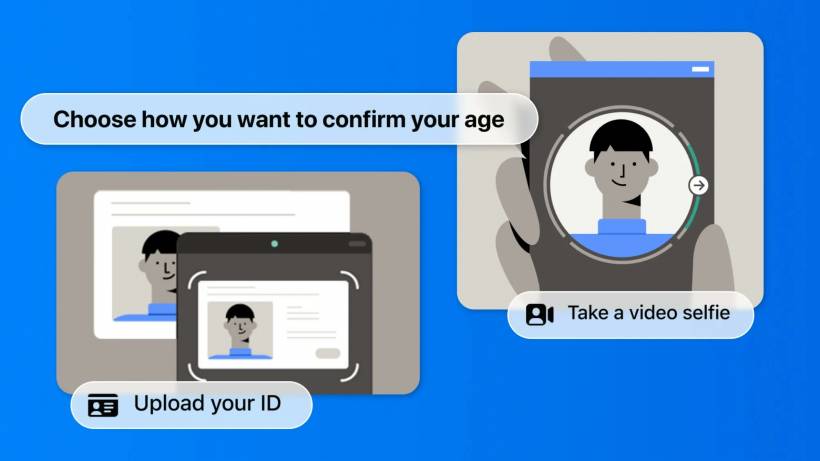
Why The Government Is Tightening Age Checks
The logic behind the move is understandable. Children and teenagers are spending more time online, and social media platforms have become a major part of daily communication, entertainment, learning, and social interaction. At the same time, online risks have become more serious and harder to manage.
Age verification is one way to reduce exposure to unsuitable content and strengthen platform accountability. If a platform knows which users are minors, it can apply stricter protections, limit certain features, restrict harmful recommendations, or adjust privacy settings by default.
However, age verification is not a complete solution by itself. It can help, but it does not automatically solve online harms. Platforms still need proper content moderation, reporting tools, parental controls, safer recommendation systems, and better action against harmful accounts.
Privacy Concerns Are Likely To Be Raised
While the intention is to protect younger users, the requirement to upload identity documents will naturally raise privacy concerns. Identity cards and passports contain sensitive personal information, and many users may be uncomfortable submitting these documents directly to social media platforms.
This concern becomes even more important if there is no clearly explained central verification framework or technical standard. Users will want to know how their documents will be stored, whether the platform keeps a copy, who can access the data, how long it will be retained, and what happens if the platform suffers a data breach.
For the system to gain public trust, transparency will be essential. Platforms should clearly explain what data is collected, why it is needed, how it is protected, and whether users have the option to delete or review their submitted information later.
Different Platforms May Handle It Differently
Because MCMC is not prescribing one specific verification method, the user experience may vary widely. Some platforms may make the process simple and fast, while others may introduce more complicated steps.
There is also the question of users who do not have easy access to certain documents, users with expired documents, foreign users living in Malaysia, or younger users who may not yet have the same documentation as adults. These practical issues will need to be addressed clearly before enforcement begins.
Another challenge is consistency. If one platform applies strict checks while another takes a lighter approach, the effectiveness of the policy may differ across services. That could create uneven enforcement and make it harder for users to understand what is expected of them.
A Necessary Move, But Implementation Matters
Malaysia's push for stronger age verification reflects a growing global concern about online safety. Governments around the world are trying to find ways to protect children online without completely disrupting access to digital services.
The challenge is finding the right balance. Stronger age checks can help reduce abuse and protect minors, but they must be implemented carefully to avoid creating new privacy risks. Asking users to submit official documents is a serious step, and it needs strong safeguards.
The best outcome would be a system that protects younger users, gives platforms clear responsibilities, and also respects user privacy. Without that balance, the policy could face resistance from users who worry about handing sensitive identity documents to social media companies.
Final Thoughts
Malaysia's upcoming document-based age verification requirement marks a major shift in how social media platforms may operate locally. Once the Online Safety Act codes take effect, platforms will no longer be able to rely only on users declaring their own age.
The purpose is clear: to improve online safety and give younger users better protection. However, the success of this policy will depend heavily on how platforms implement it, how clearly MCMC communicates the requirements, and how well personal data is protected.
The idea of safer social media is easy to support, but the process must be handled with care. If users are expected to upload official documents, they also deserve clear privacy protections, transparent procedures, and a verification system that is secure, practical, and consistent across platforms.











Comments 0