

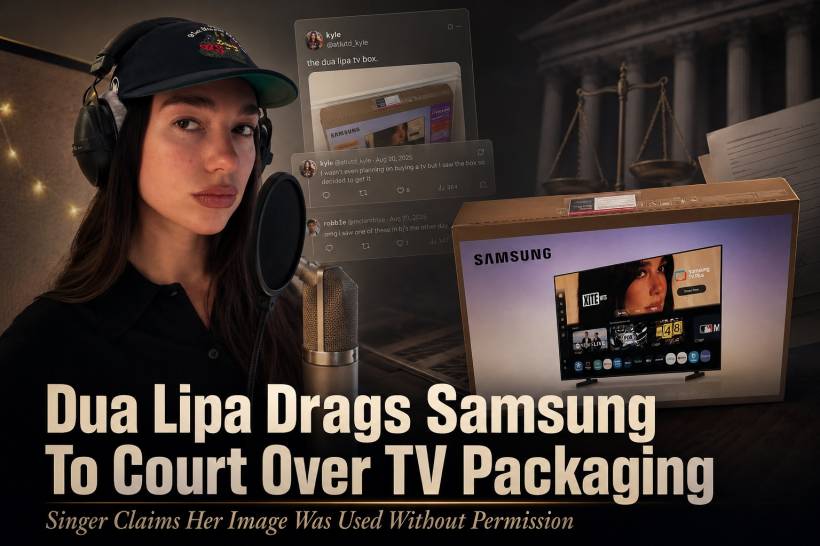
Samsung is facing a new legal challenge, and this time it involves pop star Dua Lipa. The singer has reportedly filed a lawsuit against the South Korean technology giant over the alleged use of her image on smart TV packaging without permission.
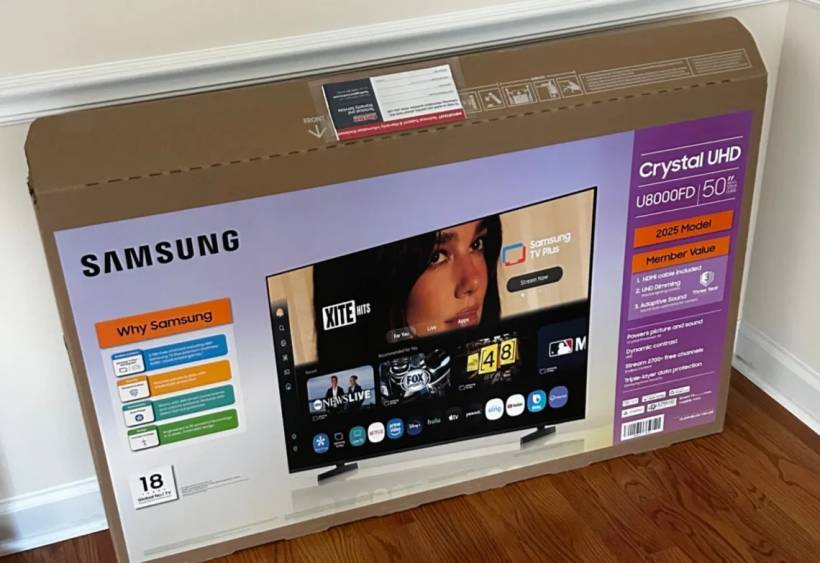
The case centres on claims that Samsung used a photograph of Dua Lipa on cardboard packaging for its smart TVs, creating the impression that she was somehow connected to or endorsing the product. For a global celebrity whose image carries major commercial value, that is not a small matter. Celebrity likeness is often treated as part of a brand, and when it is used in advertising or product promotion, permission and licensing usually become very important.
The Dispute Over The TV Packaging
According to the complaint, the image in question was taken backstage at the Austin City Limits Festival in 2024. Dua Lipa reportedly owns the copyright to the photograph, which means she would have control over how the image is used commercially.
The lawsuit claims that Samsung began using the image on its smart TV packaging last year. Dua Lipa allegedly became aware of this around June 2025 and asked Samsung to stop using the picture. However, according to the lawsuit, Samsung refused to comply with that request.
Her legal team reportedly described Samsung's response as dismissive, and the complaint claims that the products carrying the image are still being sold. That is one of the key points in the case because the singer is not only claiming that the image was used without permission, but also that Samsung continued using it after being asked to stop.
Why Celebrity Image Rights Matter
At first glance, some people may wonder why an image on a TV box could become such a major legal issue. However, celebrity image rights are a serious part of modern marketing. When a well-known artist appears on product packaging, billboards, online ads, or promotional material, consumers may reasonably assume there is some kind of endorsement or partnership involved.
That assumption is exactly what Dua Lipa's lawsuit appears to be challenging. Her lawyers argue that Samsung benefited commercially from the use of her likeness because customers may have believed she was associated with the product.
This is why brands usually pay celebrities for endorsement deals. A famous face can influence buying decisions, improve brand appeal, and make a product feel more premium or culturally relevant. Whether it is a smartphone, headphone, fashion item, or television, celebrity association can carry real marketing value.
The Claim That Samsung Benefited From Her Image
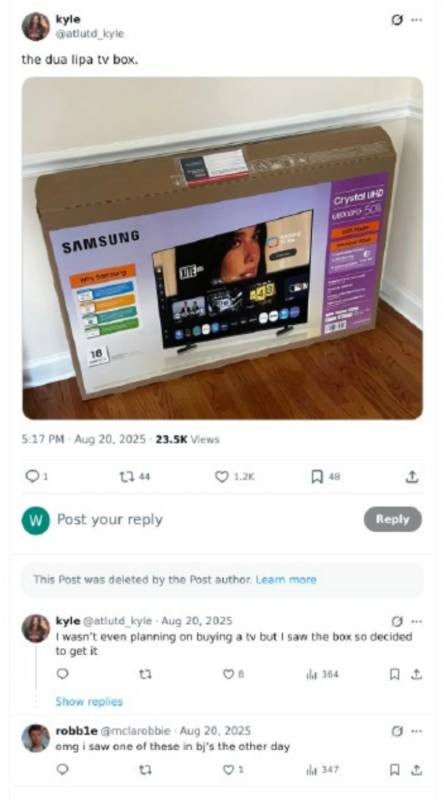
The lawsuit reportedly includes social media posts suggesting that some customers noticed Dua Lipa's image on the packaging and may have been influenced by it. Her legal team claims that Samsung profited significantly from the use of the image.
This does not necessarily mean every buyer purchased the television only because of her photo. However, the argument is more about commercial association. If a company uses a celebrity's image in a way that helps promote or sell a product, that use may require permission, especially if the image is protected by copyright or linked to the celebrity's public identity.
In Dua Lipa's case, the lawsuit includes claims involving copyright infringement, trademark infringement, and unauthorised commercial exploitation. These are serious allegations because they touch on both ownership of the image and the commercial value of her public persona.
How Much Dua Lipa Is Seeking
Dua Lipa is reportedly seeking at least US$15 million in actual damages, which is around RM59 million. On top of that, she is also seeking punitive damages and legal costs.
She is also asking for injunctive relief. In plain terms, that means she wants the court to order Samsung to stop using her likeness on the TV packaging. For a case like this, stopping continued use of the image may be just as important as financial compensation.
If the court agrees with her claims, Samsung could potentially face not only a financial penalty but also changes to its packaging, marketing, and product distribution. For a company operating at Samsung's scale, even a packaging-related dispute can become complicated if the products are already widely distributed.

A Reminder Of How Sensitive Marketing Rights Can Be
This case is also a reminder that large companies need to be extremely careful when using images of public figures. Even if a photo appears suitable for marketing, that does not automatically mean it can be used freely.
There are usually multiple rights involved. The photographer may have rights. The subject of the photo may have publicity or likeness rights. A brand may need licensing clearance. If the image is being used to sell a product, the legal expectations become even stricter.
For celebrities, image control is part of their career and business identity. Their likeness can be tied to endorsements, brand partnerships, music promotion, fashion campaigns, and personal reputation. Unauthorised use can therefore create both financial and reputational concerns.
Samsung's TV Business Is Already Facing Pressure
The lawsuit also comes at a time when Samsung's television business appears to be facing challenges in some markets. Reports recently suggested that the company will stop selling TVs and home appliances in China, where it has struggled against strong local competition.
That does not mean the lawsuit and the China market decision are directly connected, but both stories show that even major technology brands can face pressure from different directions. One issue is legal and marketing-related, while the other is market competition. Together, they highlight how difficult the consumer electronics business can be, even for a company as large as Samsung.
Final Thoughts
Dua Lipa's lawsuit against Samsung may seem unusual at first, but the issue behind it is very familiar in the world of marketing: a celebrity's image has value, and using it commercially without permission can lead to serious legal consequences.
If the claims are proven, the case could become an expensive reminder that product packaging is still advertising. A photo on a box is not just decoration when it involves a globally recognised artist. It can imply endorsement, create brand association, and influence how customers view the product.
For Samsung, the case now adds another layer of scrutiny to its TV business. For Dua Lipa, it is about protecting control over her image and preventing brands from using her likeness without approval. The outcome will depend on the court process, but the dispute already shows why companies must be careful when mixing celebrity imagery with commercial products.











Comments 0