

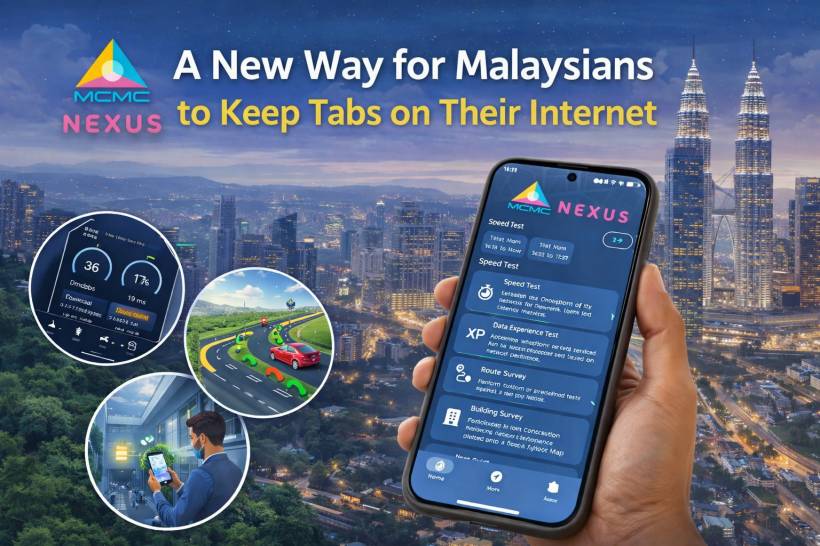
Malaysian Communications and Multimedia Commission has rolled out a new mobile app called MCMC Nexus, and it's not just another speed test tool. Think of it as a nationwide effort to put real connectivity data into the hands of everyday users—while quietly helping regulators improve the country's network infrastructure at the same time.
In a country where internet performance can vary significantly between urban centers and suburban or rural areas, this app feels like a practical step forward. Instead of relying solely on telecom providers' reports, MCMC is now tapping directly into user-generated data to paint a more accurate picture of real-world network quality.
More Than Just a Speed Test
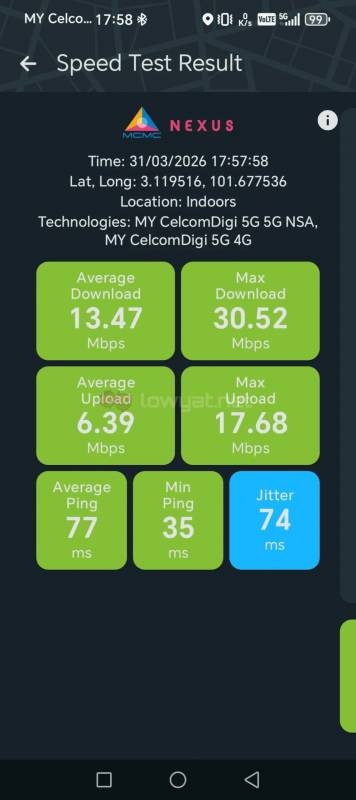
At first glance, MCMC Nexus might remind you of apps like Ookla's Speedtest. Yes, it includes the usual features—checking download speeds, upload speeds, and latency—but that's really just the starting point.
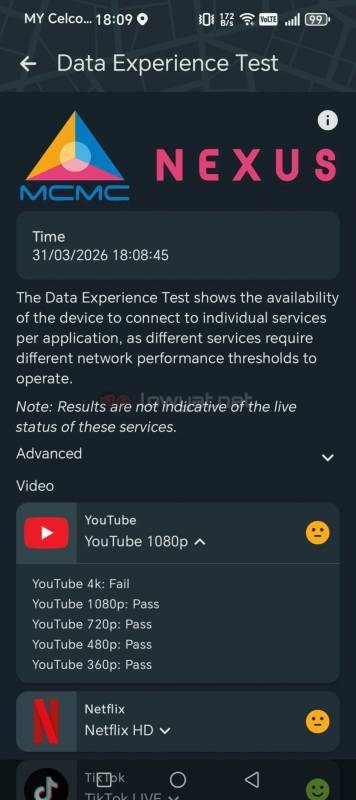
What makes Nexus different is how it expands beyond basic measurements into real usage scenarios. For example, the app includes a Data Experience Test, which evaluates how well your connection performs during activities like streaming videos or playing online games. This is important because raw speed numbers don't always reflect actual user experience.
In other words, instead of just asking "How fast is your internet?", the app asks a more meaningful question:
"How well does your internet actually work when you need it?"
Tracking Your Connection on the Move
One of the more interesting features is the Route Survey. This allows users to measure network performance while traveling—whether you're commuting, driving, or even on public transport.
As you move from one area to another, the app records connectivity quality along the way. Once completed, it displays a visual map of your journey, highlighting strong and weak signal areas. Over time, this kind of data can reveal coverage gaps that might otherwise go unnoticed.
Similarly, the Building Survey focuses on indoor connectivity. This is especially useful in places like hospitals, malls, or office buildings—locations where signal strength often drops despite being in high-coverage zones.
Real-Time Insights at Your Fingertips
Another useful addition is the live network map, which gives users a snapshot of current internet performance across different areas. This can help answer practical questions like:
• Is this location known for weak coverage?
• Should I switch networks or move to a better spot?
It turns the app into more than just a testing tool—it becomes a decision-making aid for everyday connectivity issues.
Why MCMC Is Pushing This Initiative
During the launch, Deputy Communications Minister Teo Nie Ching highlighted the bigger picture behind Nexus.
The app isn't just for users—it's also a data collection platform. Since its earlier introduction in February 2025, it has already recorded over 168 million data points from more than 50,000 downloads nationwide. That's a significant dataset, and it's being used to identify weak coverage zones and performance issues across Malaysia.
More importantly, the app helps monitor whether network providers are meeting the Mandatory Standards for Quality of Service (MSQoS). When performance falls below these standards, those areas can be flagged for further investigation and improvement.
A Step Towards Smarter Connectivity
What makes MCMC Nexus stand out is its crowdsourced approach. Instead of relying purely on infrastructure-level reporting, it brings everyday users into the equation.
This creates a feedback loop:
• MCMC gathers large-scale, real-time data
• Weak areas are identified and addressed
• Overall network quality improves over time
It's a simple concept, but one that could have a meaningful impact—especially in a country where connectivity is increasingly critical for work, healthcare, and daily life.
Final Thoughts
MCMC Nexus isn't trying to reinvent the wheel—it's doing something arguably more important: making connectivity transparent, measurable, and actionable.
For users, it offers a clearer understanding of their internet experience. For regulators, it provides a powerful dataset to drive improvements. And for Malaysia as a whole, it represents a step toward a more reliable and accountable digital infrastructure.
If adoption continues to grow, this app could quietly become one of the most important tools shaping the future of internet quality in the country.











Comments 0