


In a year where more users are questioning their relationship with Windows, Zorin OS 18 has quietly become one of Linux's biggest success stories. In less than three months, the distro has surpassed 2 million downloads, with a significant portion of that growth coming from people leaving Windows behind.
According to the Zorin OS team, more than 75% of those downloads came from Windows 10 and Windows 11 users, making this the largest release in the project's history so far.
Windows 10's End of Life Is a Major Catalyst
The timing of Zorin OS 18's release was no coincidence. It landed on the same day Windows 10 officially reached end of support, a moment that forced many users to reassess their options.
For years, Windows 10 has been the comfortable middle ground for millions of PCs. With security updates now gone, users are left with two choices: upgrade to Windows 11 or look elsewhere. For a surprising number of people, "elsewhere" now means Linux.
Hardware Limits Are Pushing Users Away from Windows
One of Linux's long-standing advantages is how forgiving it is with hardware. Unlike Windows 11, Linux distributions are not gated behind strict requirements like TPM 2.0 or specific CPU generations.
That matters more than ever in 2026. Many PCs that still run perfectly fine are effectively locked out of Windows 11, even though they have years of usable life left. Rather than replacing working machines just to satisfy an OS requirement, users are discovering that Linux lets them stay secure without buying new hardware.
Zorin OS, in particular, positions itself as a way to extend the life of existing PCs instead of discarding them.
Designed for Windows Users First
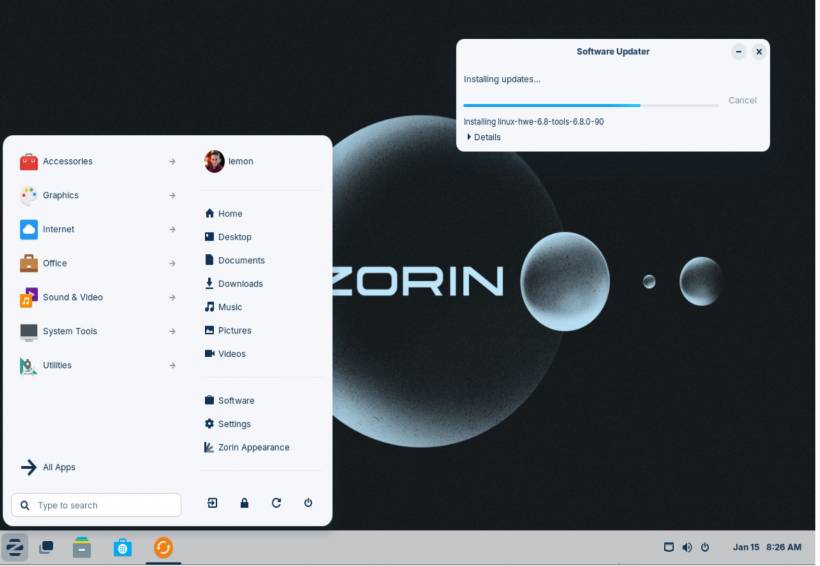
Part of Zorin OS's appeal is familiarity. It has long been described as one of the most Windows-friendly Linux distros available, and that reputation appears to be paying off.
The interface is intentionally approachable, the workflow feels familiar, and common Windows habits translate easily. For users who are curious about Linux but intimidated by steep learning curves, Zorin OS feels less like a leap and more like a step sideways.
That design philosophy likely explains why so many Windows users are choosing Zorin OS as their first Linux experience.
AI Fatigue and Platform Frustration Are Playing a Role
Beyond hardware concerns, there is also growing frustration with the direction Windows is taking. Microsoft's increasing push toward built-in AI features, combined with persistent bloatware and aggressive integrations, has left some users feeling that Windows is no longer fully under their control.
For those users, Linux represents not just an alternative OS, but a return to simplicity and choice. Zorin OS benefits from that sentiment by offering a clean, modern experience without forcing unwanted features onto the user.
Linux Adoption Is Growing, Slowly but Steadily
Zorin OS is not alone in seeing increased interest. Data from **Steam's hardware survey shows Linux usage continuing to climb, with a recent 0.38% increase bringing Linux to 3.58% of total installs.
Windows still overwhelmingly dominates the desktop market, accounting for more than 94% of Steam users, so Linux remains a minority platform. Still, these incremental gains suggest a steady shift in curiosity, especially among technically savvy users and gamers.
A Sign of Curiosity, Not a Mass Exodus Yet
This surge does not mean everyone is abandoning Windows for good. For many, installing Zorin OS is about testing alternatives, experimenting, or keeping an older PC useful. But the scale of the growth does indicate something important: more users are willing than ever to question the default choice.
If that curiosity continues, distros like Zorin OS may play a major role in shaping the next phase of desktop Linux adoption.
For those interested in learning more, the Zorin OS homepage provides full details on features, downloads, and supported hardware.











Comments