


Talking to AI has improved a lot over the years, but many voice assistants still feel slightly unnatural. There is usually a clear pause between the user speaking and the AI replying. The experience often feels more like taking turns in a question-and-answer session than having a natural conversation.
OpenAI is trying to change that with GPT-Live, a new generation of voice models designed to make ChatGPT Voice feel more fluid, responsive, and conversational. The biggest change is that GPT-Live can listen and speak at the same time, which allows it to handle interruptions, pauses, quick replies, and more natural back-and-forth exchanges.
A More Natural Way to Talk to AI
GPT-Live uses what OpenAI describes as a full-duplex architecture. In simple terms, this means the model does not need to wait for a perfect "end" to your sentence before it starts responding. It can keep listening while speaking, allowing the conversation to move closer to how humans normally talk.
That matters because real conversations are rarely perfectly structured. People pause, interrupt themselves, change direction mid-sentence, or think out loud before reaching their final point. GPT-Live is designed to better follow that rhythm instead of forcing every interaction into a strict turn-by-turn format.
OpenAI says the model can also use small acknowledgements such as "mhmm" or "yeah," stay quiet when the user needs a moment, or respond quickly when the conversation calls for it. This may sound like a small detail, but it can make voice interaction feel less robotic and more comfortable.
Built for Quick Conversation and Deeper Work
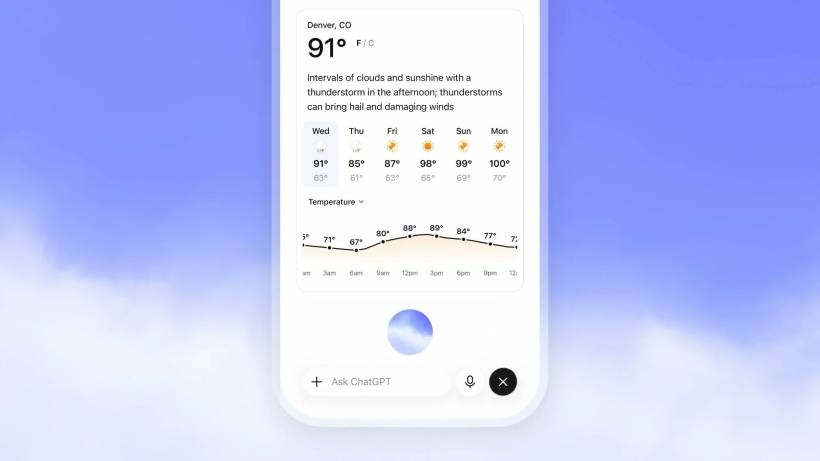
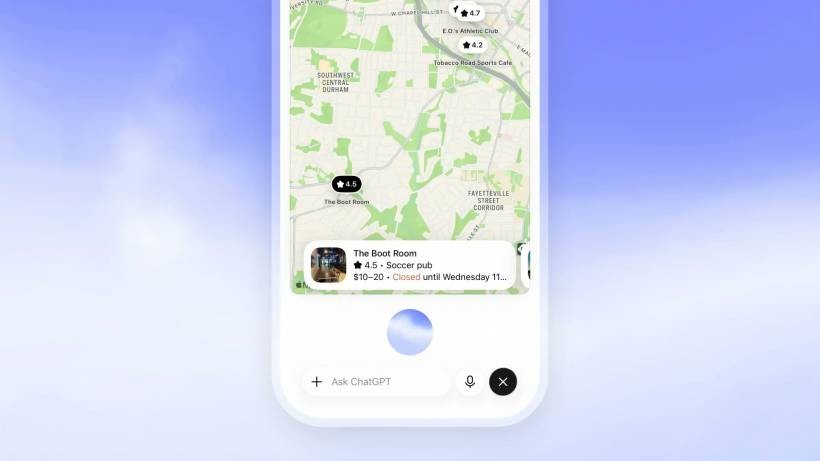
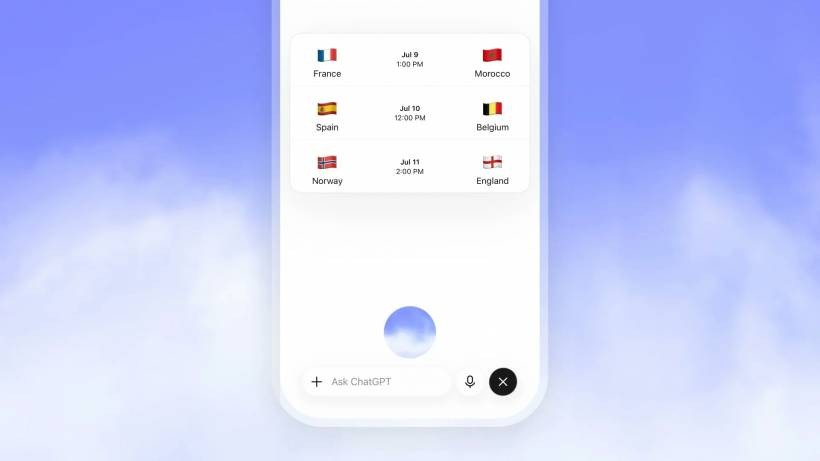
GPT-Live is not only about sounding more natural. OpenAI says the system can also delegate more complex tasks, such as web search or deeper reasoning, to frontier models in the background while keeping the conversation moving. At launch, GPT-Live uses GPT-5.5 in the background, with OpenAI planning to update the underlying model as newer frontier models become available.
This could be useful for longer and more practical voice-based tasks. Instead of simply answering short questions, a future voice assistant could help users plan, compare information, work through ideas, or manage more complex actions while still feeling like a live conversation.
OpenAI also says this research may eventually support more complex, longer-running, and more agentic voice experiences. That suggests the long-term goal is not just faster voice replies, but AI systems that can help carry out meaningful tasks through spoken interaction.

GPT-Live-1 and GPT-Live-1 Mini
OpenAI is rolling out two versions: GPT-Live-1 and GPT-Live-1 mini. GPT-Live-1 is set as the default voice model for paid users, while GPT-Live-1 mini is the default model for free users.
The new Live experience is part of ChatGPT Voice, which is available to logged-in users through the ChatGPT mobile apps and desktop web. However, availability can depend on the user's plan, region, workspace, and app version, so not everyone will see it immediately.
This phased rollout is important for users in markets where the feature may not appear yet. If Live is not visible in the Voice settings, OpenAI advises users to keep the app updated and continue using the available Voice options until access arrives.
Some Limits Still Apply
GPT-Live is a major step forward, but it is not a perfect replacement for every existing voice feature. OpenAI notes that Live does not support video or screen sharing at launch, while those capabilities remain available to eligible subscribers through Advanced Voice on mobile.
Live is also mainly designed for one-on-one conversations. It can handle some background noise, but it is not yet optimised for multiple people speaking at the same time. Interruptions may still happen, especially in noisy environments or when there are long pauses.
Final Thoughts
GPT-Live represents a meaningful shift in how people may interact with AI through voice. Instead of treating every exchange like a formal prompt and response, it brings AI closer to a natural conversation where pauses, interruptions, and quick acknowledgements are part of the flow.
The feature may take time to reach all users and regions, and some limitations remain. Still, if OpenAI's rollout continues smoothly, GPT-Live could make voice-based AI feel less like talking to software and more like working with a responsive digital assistant.











Comments 0