

Many Windows laptop users know the frustration too well. You close the lid, put the laptop into your bag, and expect it to stay asleep. A few hours later, you take it out and find it warm, noisy, and almost out of battery. Nothing visibly crashed, there was no Blue Screen of Death, and Windows technically stayed "stable," but the experience was still terrible.
For years, this has been one of the most annoying problems with modern Windows laptops. Bad or poorly optimised drivers could quietly cause overheating, battery drain, sluggish performance, audio crackling, random stutters, and Modern Standby issues without triggering the kind of obvious failure that Microsoft's older quality systems were designed to catch.
Now, Microsoft appears to be taking a much stricter approach. During WinHEC 2026, the company announced its new Driver Quality Initiative, or DQI, which changes how third-party drivers are evaluated. Instead of judging drivers mainly by whether they crash Windows, Microsoft now wants to measure how they affect the actual user experience.
The Old Way Of Judging Drivers Was Too Limited
For a long time, Microsoft's driver quality checks focused heavily on Windows Error Reporting and crash dump data. In simple terms, if a driver did not crash the operating system, freeze the machine, or trigger a fatal error, it was often considered stable enough.
That sounds reasonable on paper, but it created a major blind spot. A driver can avoid crashing Windows while still making the laptop unpleasant to use. It may consume too much power, keep the CPU active when it should be idle, cause small system stutters, or introduce latency problems that affect audio and gaming performance.
This is why some Windows laptops can feel inconsistent even when there is no obvious error message. The system may not be broken in the traditional sense, but something underneath is quietly affecting responsiveness, battery life, thermals, or background behaviour.
For regular users, that distinction does not really matter. Whether the laptop crashes or drains its battery while asleep, the end result is still a poor experience.
Modern Standby Has Been One Of The Biggest Pain Points
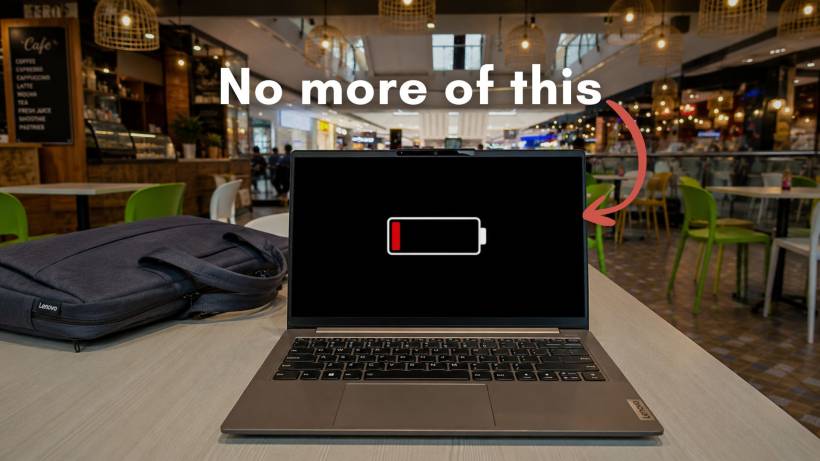
One of the clearest examples of this problem is Modern Standby. Modern Windows laptops are designed to behave more like smartphones when sleeping. They are supposed to enter a low-power state while still allowing certain background activities, such as checking notifications or updating selected services.
In theory, this should make laptops feel more instant and connected. In practice, it has often caused frustration because one poorly optimised driver can prevent the system from entering a proper low-power state.
For example, a Wi-Fi driver, storage controller driver, or another hardware-related component may stop the processor from dropping into its deepest sleep states. When that happens, the laptop may continue consuming power even though the lid is closed. The user sees the result later: a hot laptop, a drained battery, and sometimes fan noise when the machine should have been resting.
The worst part is that Windows may not treat this as a serious driver problem because the laptop never technically crashed. Under the older approach, the system appeared stable. From the user's point of view, however, the laptop failed at one of the most basic expectations: staying asleep properly.
Microsoft Is Closing That Driver Quality Loophole
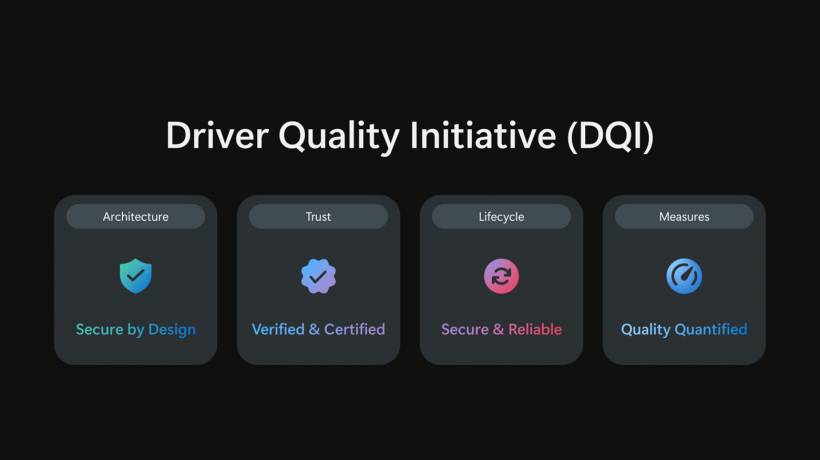
With the new Driver Quality Initiative, Microsoft is expanding driver evaluation beyond crash data. The company now wants driver quality to include stability, functionality, performance, power impact, and thermal behaviour.
This is a major change because it means a driver can be considered poor quality even if it does not directly crash the system. If it drains battery too quickly, causes unnecessary heat, keeps fans spinning, or harms performance, it can now fall under Microsoft's quality concerns.
That is the right direction because modern laptops are judged by the complete experience, not just whether they avoid blue screens. Users care about battery life, heat, sleep reliability, smooth performance, and whether the machine behaves predictably day after day.
By measuring power and thermal impact more seriously, Microsoft is putting more pressure on hardware makers and driver developers to optimise their software properly before it reaches users through Windows Update or preinstalled OEM images.
Bad Drivers Can Affect More Than Battery Life
Battery drain is the most obvious problem, but it is not the only one. Poorly written drivers can also cause subtle performance issues that are difficult for normal users to diagnose.
One common example is high Deferred Procedure Call latency, often called DPC latency. This happens when a driver takes too long handling low-level system tasks. The result may be audio crackling, delayed input, frame skips in games, tiny stutters, or general sluggishness.
These issues are especially annoying because they may not appear all the time. A laptop can feel perfectly fine one moment and then randomly stutter during a video call, audio recording, game, or media playback session. Since there is no crash, many users may never realise that a driver is the root cause.
Microsoft's broader driver quality measurement could help reduce these hidden problems. If drivers are judged not only by crash rates but also by performance behaviour, OEMs and hardware partners will have stronger reasons to fix issues before they become widespread.
Windows Update Could Become Safer For Driver Delivery
Another important part of Microsoft's strategy is distribution control. Windows Update is often the main channel through which drivers reach millions of PCs. That makes it convenient, but it also means a bad driver can spread very quickly.
Microsoft's new approach may allow the company to deprecate or block older drivers that no longer meet battery, thermal, or performance expectations. This could prevent Windows Update from automatically pushing problematic drivers onto systems that were previously working fine.
That matters because users often blame Windows itself when an update suddenly causes battery drain, broken sleep behaviour, or performance problems. In many cases, the real issue may be a driver update from a hardware partner. By tightening quality requirements, Microsoft can reduce the chance of poor driver updates damaging the overall Windows 11 experience.
Why This Matters More In The New Laptop Era
This driver quality push comes at an important time. Windows laptops are entering a more competitive phase, especially with the rise of efficient ARM-based chips like Snapdragon X Elite and future Intel platforms such as Panther Lake.
Battery life has become one of the most important battlegrounds against Apple's MacBooks. It is no longer enough for a Windows laptop to have powerful hardware. It must also feel efficient, cool, responsive, and reliable in everyday use.
That requires more than a good processor. It requires good firmware, good drivers, good background management, and proper cooperation between Microsoft, silicon vendors, and OEMs. A powerful laptop can still feel disappointing if a bad driver ruins sleep mode or wastes battery in the background.
By treating power efficiency and thermal behaviour as part of driver quality, Microsoft is effectively telling the PC industry that battery life is no longer optional. It must be built into the quality standard.
A Better Experience For Everyday Windows 11 Users
For users, this change may not appear as a flashy new feature. There may be no big button, no redesigned interface, and no dramatic visual change. But it could still be one of the more meaningful improvements to Windows 11 if Microsoft enforces it properly.
A laptop that sleeps correctly, wakes reliably, runs cooler, drains less battery, and avoids strange stutters is simply a better laptop. These are the kinds of improvements that users notice over time, even if they do not know the technical reason behind them.
The bigger challenge will be consistency. Microsoft needs strong cooperation from OEMs, chipmakers, and component manufacturers. Driver quality problems often come from the wider PC ecosystem, not only from Windows itself. If the new Driver Quality Initiative creates stronger accountability across that ecosystem, Windows laptops could become much more dependable.
Final Thoughts
Microsoft's new focus on driver quality is a long-overdue move. For too long, a driver could be considered acceptable simply because it did not crash Windows. That standard was never enough for real-world users, especially when poor drivers could quietly drain batteries, generate heat, cause stutters, and make laptops feel unreliable.
By expanding driver quality measurements to include performance, power usage, and thermal impact, Microsoft is finally addressing the hidden problems that many Windows users have complained about for years. This could be especially important as Windows laptops compete more directly on battery life and efficiency.
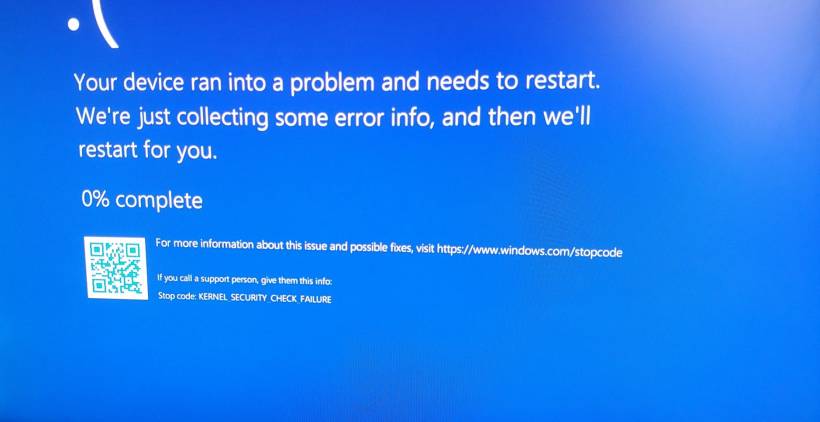
If Microsoft follows through and holds hardware partners accountable, Windows 11 laptops could become cooler, smoother, more reliable, and much better at preserving battery life. For everyday users, that matters far more than simply avoiding a Blue Screen of Death.











Comments