


It looks like WhatsApp is quietly testing something it has been hinting at for a while — a premium subscription tier. Referred to as "WhatsApp Plus" in early reports, this new offering isn't a complete overhaul of the app, but rather a layer of optional upgrades aimed at users who want more customization and control.
According to insights from WABetaInfo, the feature is currently being tested with a limited group of users. This kind of staged rollout is typical, especially for a platform as widely used as WhatsApp, where even small changes can have massive impact. The goal here is likely simple: gather real-world feedback before deciding how — or if — this premium tier should go global.
Free Users Aren't Losing Anything
Before anything else, let's address the biggest concern most people would have: is WhatsApp going to lock core features behind a paywall?
The core experience remains untouched. Messaging, calls, status updates, and most importantly, end-to-end encryption, will stay exactly as they are today. That means whether you pay or not, your conversations remain private and secure. The subscription is positioned more like a "nice-to-have" layer rather than something essential.
Stickers Get a Premium Upgrade
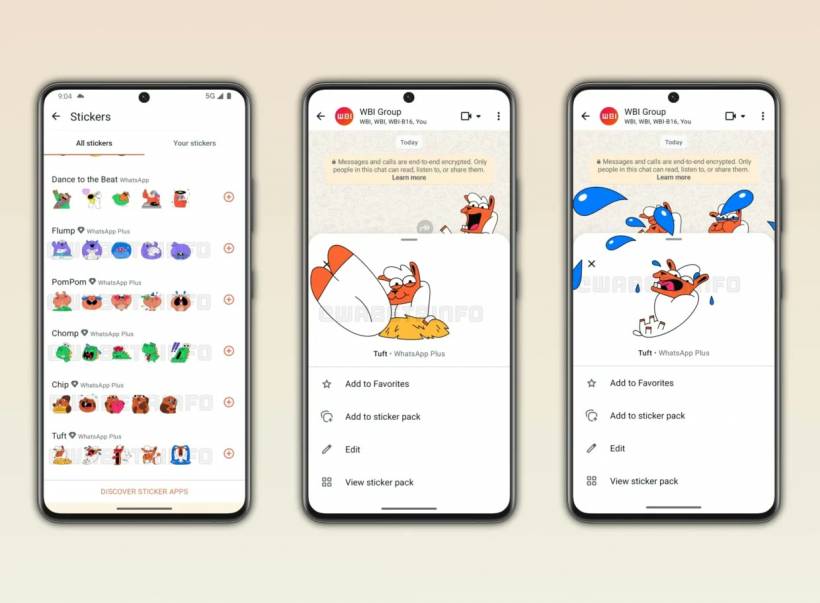
One of the more noticeable additions in the premium tier is access to exclusive sticker packs. While WhatsApp already supports stickers, this takes things a step further.
Subscribers may get animated sticker effects that go beyond the usual static visuals. Some of these animations reportedly expand across the screen when sent, briefly overlaying the chat interface. Interestingly, the recipient doesn't need to be a subscriber to see these effects — they still get the full visual experience.
It's a small feature, but one that hints at WhatsApp trying to make chats feel more expressive and dynamic.
A More Personal WhatsApp Experience
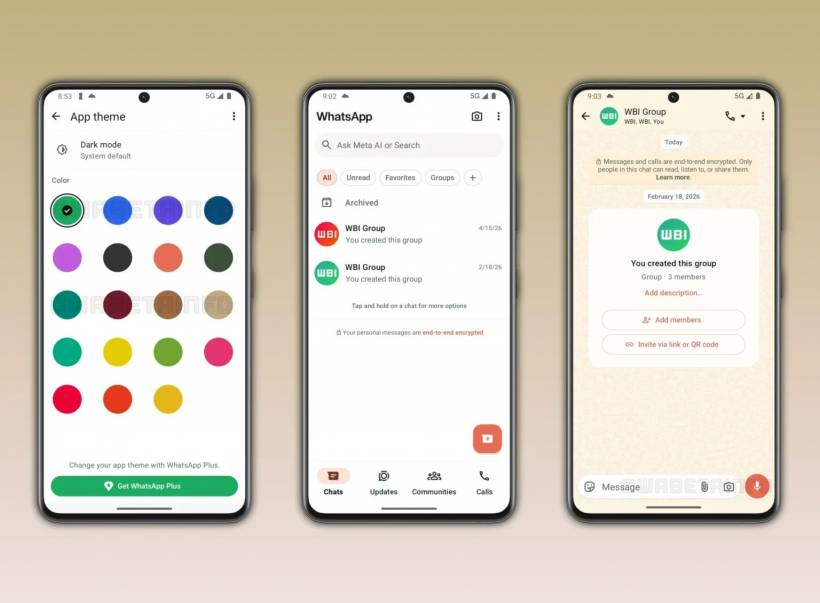
Customization is where WhatsApp Plus really leans in.
Subscribers may be able to:
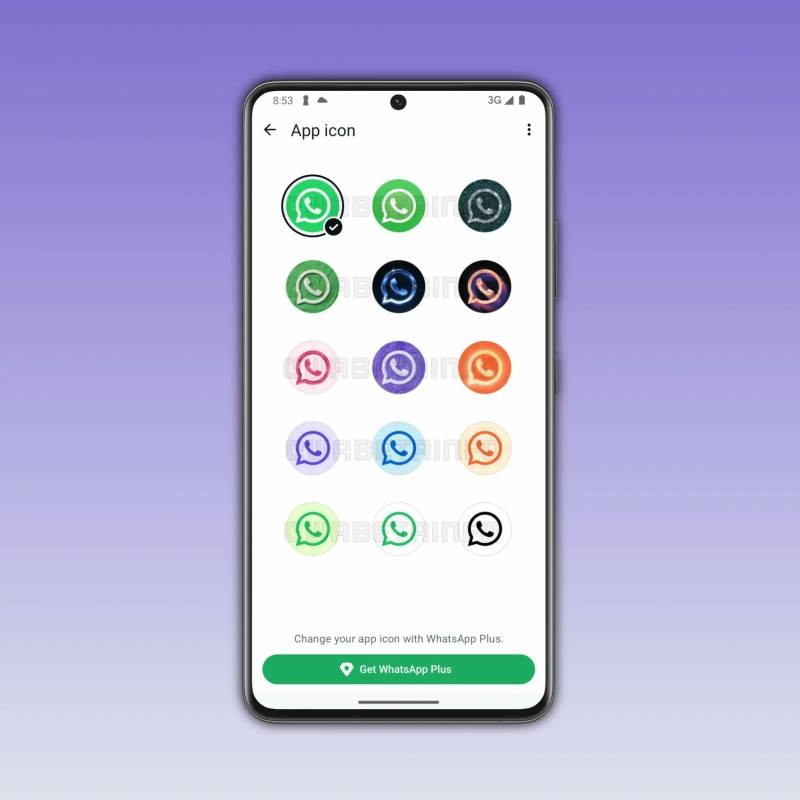
• Switch between multiple app icons, including stylised and textured designs
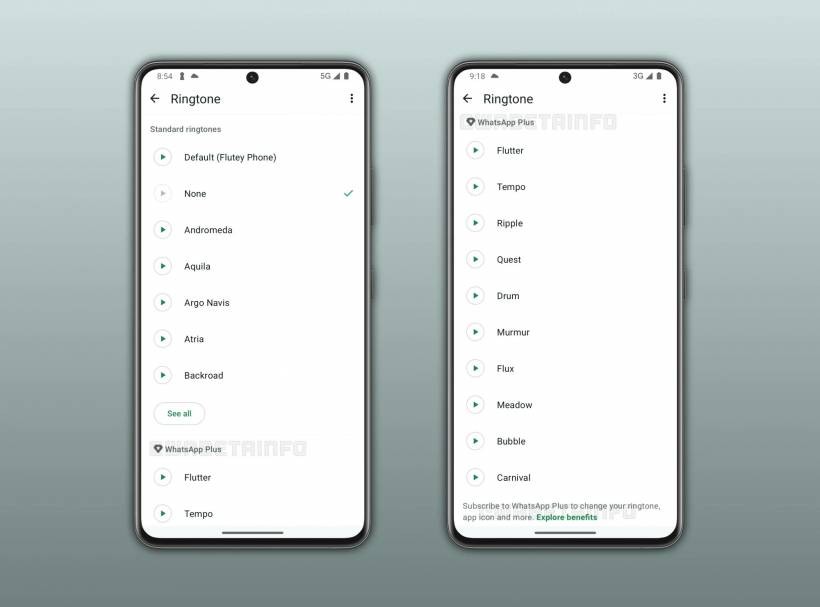
• Access a set of exclusive ringtones for chats and calls
While Android users already have some flexibility with custom tones, this approach makes it more integrated. You can assign specific sounds to chats or groups without needing to dig into external files, making notifications easier to recognise at a glance.
For users who like personalising their apps, this could be one of the more appealing aspects of the subscription.
Better Organisation for Busy Chats
If you're someone juggling dozens of conversations — work groups, family chats, project discussions — this next feature might actually be useful.
WhatsApp Plus may allow:
• Applying themes, tones, and settings across entire chat lists
This means you could, for example, group all work-related chats under one theme and notification style, and personal chats under another. Even better, new chats added to those lists would automatically inherit the same settings.
It's a subtle productivity upgrade, but one that could make a real difference for heavy users.
Subscription Model and Pricing
Like most modern apps, WhatsApp is expected to follow a monthly subscription model for this premium tier. Billing would be handled through the app store, with automatic renewal unless cancelled.
Users would need to cancel at least 24 hours before the next billing cycle to avoid charges — standard practice for subscriptions.
Early pricing examples from test regions suggest:
• Around PKR229 (roughly RM3) in Pakistan
• Around MXN29 (roughly RM6) in Mexico
There's also talk of a one-month free trial, which would make it easier for users to test whether the features are actually worth paying for.
One important detail: this subscription appears to be limited to standard WhatsApp accounts and does not extend to WhatsApp Business users — at least for now.
So, Is WhatsApp Plus Worth It?
At this stage, WhatsApp Plus doesn't feel like a must-have — and that's probably intentional.
Instead of forcing users into a paid ecosystem, WhatsApp seems to be experimenting with a softer approach: offer premium enhancements without disrupting the free experience. It's a strategy that keeps the platform accessible while still opening up a new revenue stream.
For casual users, nothing really changes. But for those who spend a large part of their day on WhatsApp — whether for work, communities, or just staying connected — these extra features might start to feel surprisingly useful.
Final Thoughts
WhatsApp stepping into the subscription space isn't surprising, but the way it's doing it is worth paying attention to. Rather than locking down features, it's focusing on personalization and convenience — things users can live without, but might still want.
If the rollout expands globally, the real question won't be whether people need WhatsApp Plus — it'll be whether they want it enough to pay for it.











Comments 0