

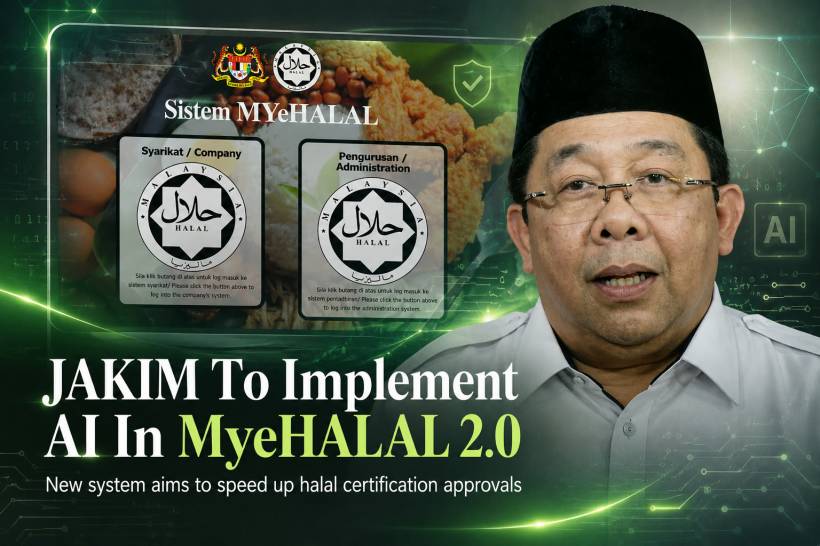
Malaysia's halal certification process is set to become faster and more technology-driven as the Department of Islamic Development Malaysia, better known as JAKIM, prepares to introduce artificial intelligence into its certification workflow.
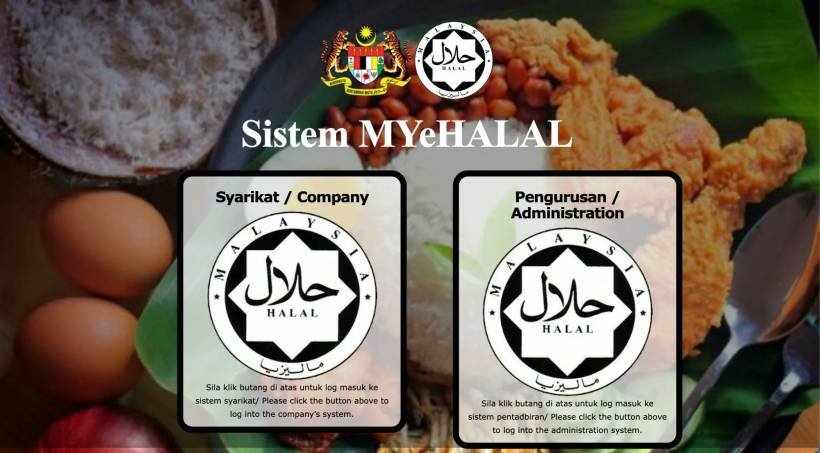
The move will be part of the upcoming MyeHALAL 2.0 system, which is expected to support a more efficient review process for halal certification applications. For businesses, especially those in food manufacturing, cosmetics, pharmaceuticals, logistics, and other halal-related industries, this could be an important development. Halal certification is not only a compliance requirement, but also a major trust factor for Muslim consumers and a key business advantage in both local and international markets.
According to JAKIM director-general Datuk Dr Sirajuddin Suhaimee, the use of AI is intended to help speed up the approval process by making better use of existing data. While no exact launch date has been confirmed, the new system is expected to be introduced within the next few months.
How AI Will Support The Certification Process
The new MyeHALAL 2.0 system will work alongside the MyHALALINGREDIENTS database, which acts as a support system for reviewing applications. Instead of relying only on manual checking, the system will be able to analyse submitted applications against existing records and ingredient data.
This does not mean AI will replace the role of JAKIM officers entirely. Halal certification still requires proper review, documentation, verification, and compliance assessment. However, AI can help reduce repetitive checking, identify relevant records faster, and assist officers in reviewing applications more efficiently.
In practical terms, this could mean quicker screening of ingredients, faster comparison against known data, and a more organised way of handling application details. For businesses, this may reduce waiting time and improve clarity during the certification process.
Why MyHALALINGREDIENTS Is Important
MyHALALINGREDIENTS plays a key role in this digital improvement. The platform was created to collect and record information about raw ingredients used across industries. This is especially important because halal certification often depends heavily on ingredient sources, processing methods, suppliers, and supporting documentation.
The database was initially launched in August and is already integrated with the existing MyeHALAL platform. With MyeHALAL 2.0, the role of this database is expected to become even more significant. By allowing AI to reference structured ingredient data, JAKIM can potentially make the review process more consistent and less time-consuming.
This is particularly useful for industries where product formulas involve many ingredients or where raw materials come from multiple suppliers. A well-maintained ingredient database can help reduce repeated verification work and make it easier to identify whether certain ingredients have already been reviewed before.
Part Of A Wider Digitalisation Effort
The use of AI in halal certification is not happening in isolation. Since last year, halal certification applications have already been processed electronically. That shift was an important step because it reduced dependency on manual paperwork and helped bring the application process into a more centralised digital environment.
MyeHALAL 2.0 appears to be the next stage of that digital journey. Instead of only moving forms and submissions online, the system is now being improved so that data can be used more intelligently. This is where AI becomes useful, especially when there are large volumes of applications, supporting documents, ingredient records, and compliance information to process.
For Malaysia, this is also important from an economic perspective. The halal industry is a major sector, and a faster certification process can help businesses move products to market more quickly. If managed properly, it could also strengthen Malaysia's position as a trusted halal hub.
Whitelist Initiative For Strong Compliance Companies
Besides introducing AI, JAKIM is also using another approach to speed up approvals. The department has introduced a whitelist initiative for companies with strong compliance records and a high level of commitment to halal requirements.
These are companies that have consistently followed the rules and have not faced issues in the past. For this group, the certification process may be completed much faster, provided they submit the required supporting documents promptly.
According to Sirajuddin, companies with clean records and proper documentation could receive halal certification approval within a week. This is a practical move because it allows JAKIM to focus more time and attention on applications that require deeper review, while trusted and compliant companies can move through the process more quickly.
Balancing Speed With Trust
Speed is important, but halal certification cannot be treated as a simple administrative stamp. The value of the certification depends on trust, accuracy, and proper governance. This is why the use of AI must be handled carefully.
A faster process should not mean a weaker process. Instead, the goal should be to remove unnecessary delays while maintaining strict standards. AI can support this by helping officers process information more efficiently, but final accountability still needs to remain with the relevant authorities and certification experts.
For businesses, this also means that proper documentation will remain important. Even with AI and digital systems, companies will still need to maintain accurate ingredient records, supplier documentation, production details, and compliance evidence.
What This Means For Businesses
For companies applying for halal certification, the introduction of MyeHALAL 2.0 could make the process more predictable and efficient. Businesses that prepare their documents properly, maintain clean records, and comply consistently with halal requirements may benefit the most.
The whitelist initiative also sends a clear message: companies with strong compliance habits may enjoy faster processing. This could encourage businesses to take halal governance more seriously, not only during application season but throughout their daily operations.
For smaller businesses, the system could also be helpful if it reduces confusion and shortens waiting time. However, the real impact will depend on how user-friendly MyeHALAL 2.0 is, how complete the MyHALALINGREDIENTS database becomes, and how clearly JAKIM communicates the new process to applicants.
Final Thoughts
JAKIM's plan to introduce AI through MyeHALAL 2.0 marks an important step in modernising Malaysia's halal certification process. By using existing data more intelligently and linking applications with the MyHALALINGREDIENTS database, the system has the potential to reduce delays and make approvals more efficient.
At the same time, the whitelist initiative shows that JAKIM is also looking at compliance history as part of the process. Companies that have consistently followed requirements and submitted complete documents may be able to receive approvals much faster.
The key challenge will be balance. Halal certification must remain strict, trusted, and credible, but that does not mean the process has to be slow or overly complicated. If implemented well, MyeHALAL 2.0 could become a meaningful upgrade for both JAKIM and the industries that depend on halal certification.











Comments 0