

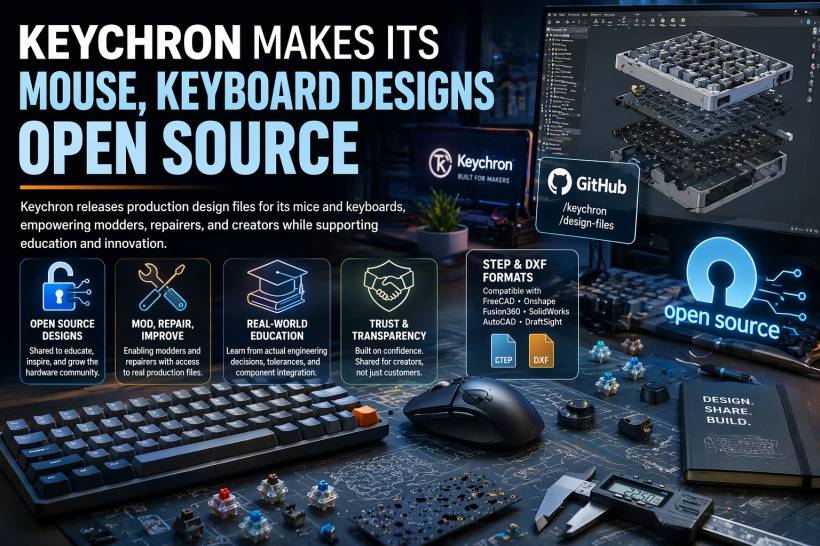
It is not every day that a hardware company decides to open up the design files behind its own products. In the consumer electronics world, that kind of move is still unusual, especially when it comes from an established brand rather than a small enthusiast project. That is why Keychron's latest decision stands out. The company is making the designs of its keyboards and mice open source, giving the wider hardware community access to production-level files that usually stay locked behind company walls.
That alone makes this more than just another product update. It points to a different way of thinking about hardware, where users are not treated as passive buyers, but as enthusiasts, tinkerers, repairers, and creators who may want to understand how a product is built and even improve on it.
A Rare Move in the Hardware Industry
Open source is often associated with software, where sharing code has become common in many parts of the tech world. Hardware is a different story. Physical product design involves manufacturing constraints, tolerances, assembly considerations, and commercial risks that many companies are not eager to expose. For that reason, most hardware brands keep their design files private.
Keychron going in the opposite direction makes this announcement especially interesting. According to reports, the company's CEO shared the news on Discord, which is a slightly unexpected place for such a meaningful announcement. Still, the message itself was clear. Keychron sees the release of these production hardware files as a genuine contribution to the wider keyboard and hardware community.
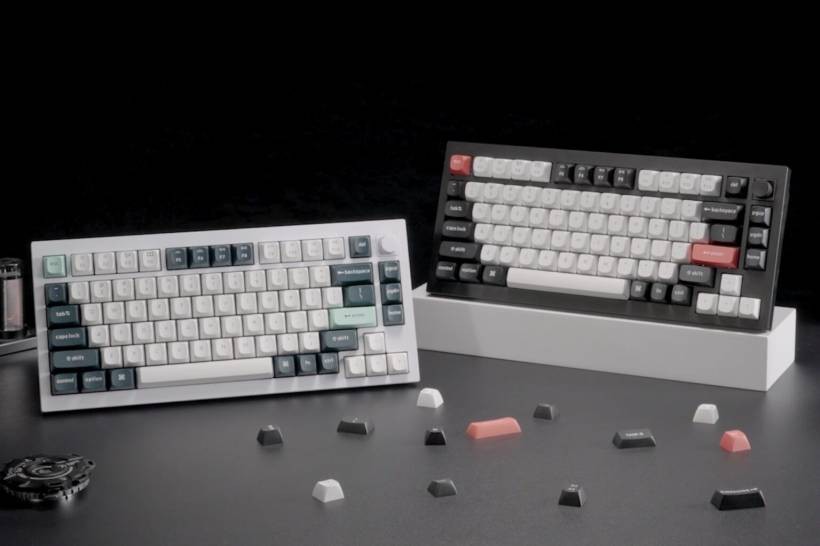
That says a lot about the company's view of its audience. Mechanical keyboard enthusiasts are already known for modifying boards, swapping switches, changing keycaps, experimenting with cases, and exploring custom layouts. By opening up its designs, Keychron is giving this community far more than just another keyboard to buy. It is giving them the building blocks to study and potentially extend.
Why This Matters Beyond Hobbyists
The obvious beneficiaries here are modders. Anyone who likes to customise their setup could find real value in having access to design files that reveal how Keychron's products are actually engineered. Instead of guessing how a board is mounted or how internal clearances were designed, enthusiasts can look directly at the files.
But the value goes beyond the modding scene. Repairability is another major angle. When hardware design details are easier to access, repair work becomes less of a mystery. For users trying to fix or restore a peripheral, this kind of openness can make a big difference. Even if not everyone will personally open CAD files, the repair community, independent technicians, and hobby engineers certainly can.
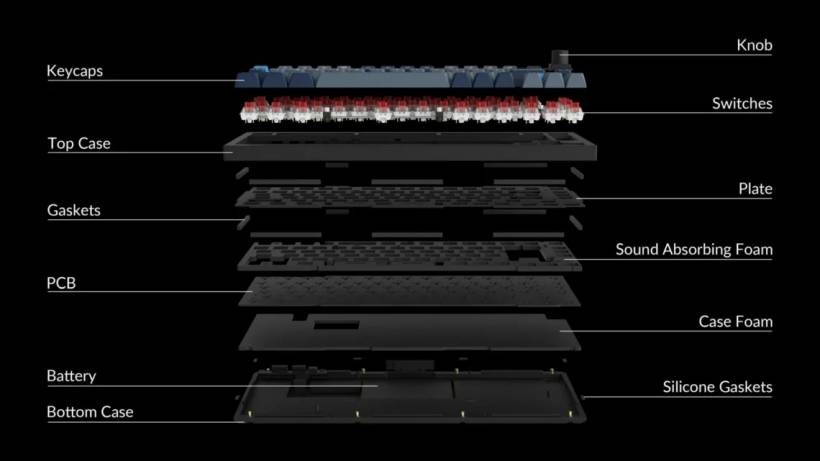
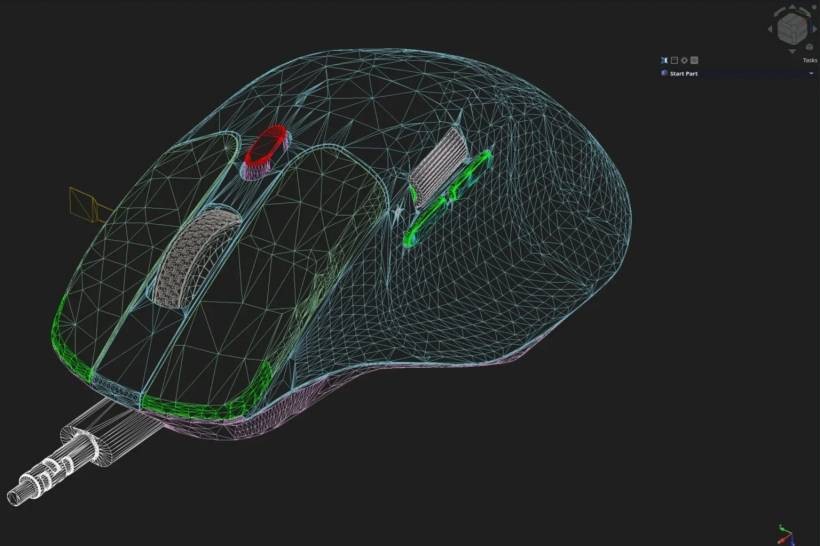
There is also an educational side to this. Keychron is not just releasing rough concept sketches or simplified reference models. These are described as production-level designs. That means users can study real engineering decisions, including how mounting systems were chosen, how tolerances were handled, and how different components were integrated into a finished product. For students, makers, and aspiring hardware designers, that is valuable in a way marketing images never could be.
Trust, Transparency, and Brand Confidence
One of the more interesting parts of this move is what it says about confidence. When a company shares internal design files, it sends a message that it trusts the quality of its own work and is comfortable letting the community inspect it closely.
That kind of transparency is rare. Many brands prefer to maintain distance between the product and the customer, limiting the relationship to buying, using, and replacing. Keychron seems to be taking a different approach by acknowledging that some users want deeper access and more control.
There is also a broader philosophical point here. By sharing these files, the company is effectively recognising that users are not just customers. They can also be contributors, learners, and creative participants in the ecosystem. That idea fits naturally with the keyboard community, where enthusiasm often goes far beyond simple product ownership.
What Files Are Being Shared
The released files are available in STEP and DXF formats, which makes them accessible to a wide range of design and engineering software. Programs such as FreeCAD, Onshape, Fusion360, SolidWorks, AutoCAD, and DraftSight can work with these formats, making the files practical for both hobbyists and professionals.
This is important because file openness only matters if the files can actually be used. By choosing widely recognised formats, Keychron is making it easier for more people to explore the designs without being locked into a highly specific toolchain.
That said, the company is not opening the door to unrestricted commercial use. The licence reportedly makes it clear that these files cannot be used for commercial gain. So while the community can study, learn from, and experiment with them, this is not an invitation to turn Keychron's hardware designs into competing products for sale.
A Good Fit for Keychron's Audience
In some ways, Keychron is a fitting brand to make this kind of move. The company has built a strong name among keyboard enthusiasts by targeting users who care about design, typing feel, build quality, and flexibility. This is already a market where people are more likely than average to care about what is happening inside the hardware.
The brand has also been part of newer trends in enthusiast peripherals, including keyboards with Hall Effect switches. These switches have gained attention for offering much longer lifespans than traditional mechanical switches while also enabling analogue-style input. That places Keychron in a segment of the market where innovation and enthusiast interest tend to overlap, so opening up design files feels less random and more like an extension of the company's broader identity.
It is also worth noting that Keychron established an official presence in the Malaysian market in 2023, which helped strengthen its local visibility. That makes developments like this more relevant to local buyers and enthusiasts who may already be familiar with the brand through retail and regional availability.
Could This Influence Other Brands?
That is the bigger question. One company opening up hardware files does not automatically mean the rest of the industry will follow. Most major peripheral makers are still likely to guard their internal designs closely. There are legal, competitive, and manufacturing reasons for that.
Still, moves like this can have influence beyond their immediate scope. If Keychron's decision is well received, and if it strengthens goodwill among the enthusiast community, other brands may start to see more value in transparency. Even if they do not go fully open source, they may begin offering more repair resources, better documentation, or more modular product designs.
In that sense, the importance of this announcement may not be limited to the files themselves. It may also help push the conversation around user ownership, repairability, and product openness a little further forward.
Final Thoughts
Keychron's decision to make its mouse and keyboard designs open source is unusual in the best way. It gives modders more room to experiment, offers repair and educational benefits, and reflects a level of transparency that is still uncommon in consumer hardware.
More importantly, it shows a different attitude toward users. Instead of drawing a hard line between company and customer, Keychron is recognising that many people want to understand, modify, and learn from the products they buy. In an industry where hardware is often treated like a sealed box, that kind of openness feels refreshing.
Whether this becomes a one-off gesture or the start of a broader trend remains to be seen. Either way, it is the kind of move that will likely earn Keychron a lot of respect from the very community that helped make enthusiast keyboards such a strong market in the first place.











Comments 0