


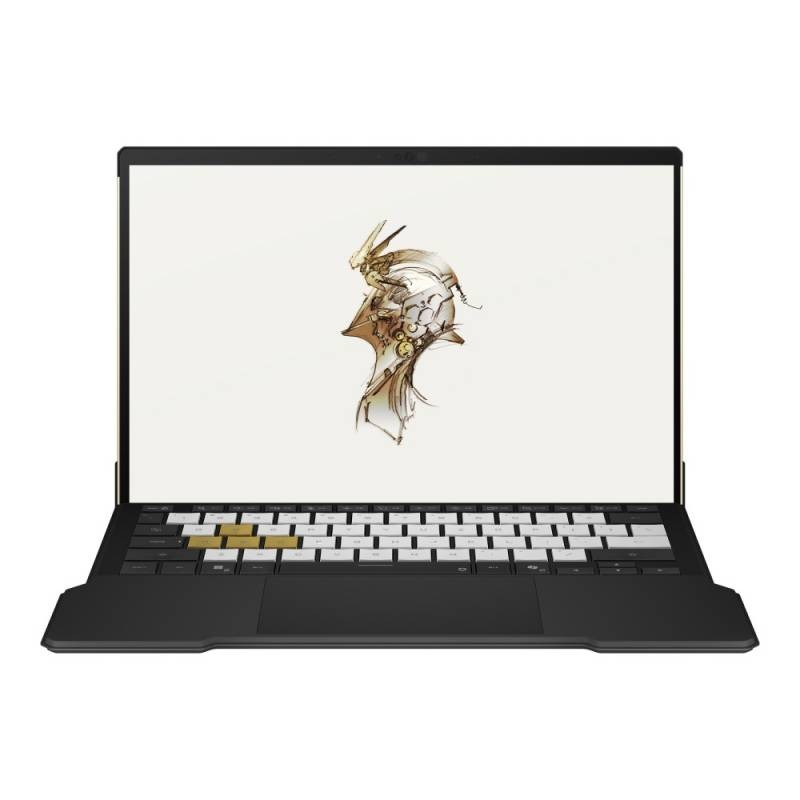
The Asus ROG Flow Z13 has always been a weird (in a good way) product category: a proper Windows gaming machine that insists on being a tablet first. The Z13 KJP Edition takes that idea and turns the style dial all the way up with a Kojima Productions collaboration, a premium build, and headline specs that read like Asus dared itself to see how much power it can cram into a thin slab.
And honestly… it works. If you want the punchline first: this is the best 2-in-1 Windows tablet right now, as of today. It's also the kind of device that makes you go "I want it" and "I absolutely should not pay that much" in the same minute.
It's priced at RM 17,999 before SST, which pushes it into "this is a luxury tech purchase" territory. I'm personally tempted to buy it, but I'm definitely not buying at around RM 18k. That price is quite insane when you can get similar performance for noticeably less in a more traditional laptop form factor.
With that out of the way, let's get into what makes it special, where it compromises, and who it actually makes sense for.
Quick context: what the KJP Edition is really selling
The KJP Edition isn't just a different color. It's built around a premium collector vibe: Kojima Productions-inspired design touches, a "limited-edition" feel, and the kind of presentation that's clearly meant to appeal to people who like their hardware to feel rare and personal.
If you're the type who buys a normal gaming laptop and immediately slaps stickers on it to make it feel like "yours," this is Asus doing that personalization for you… but with a premium price tag.
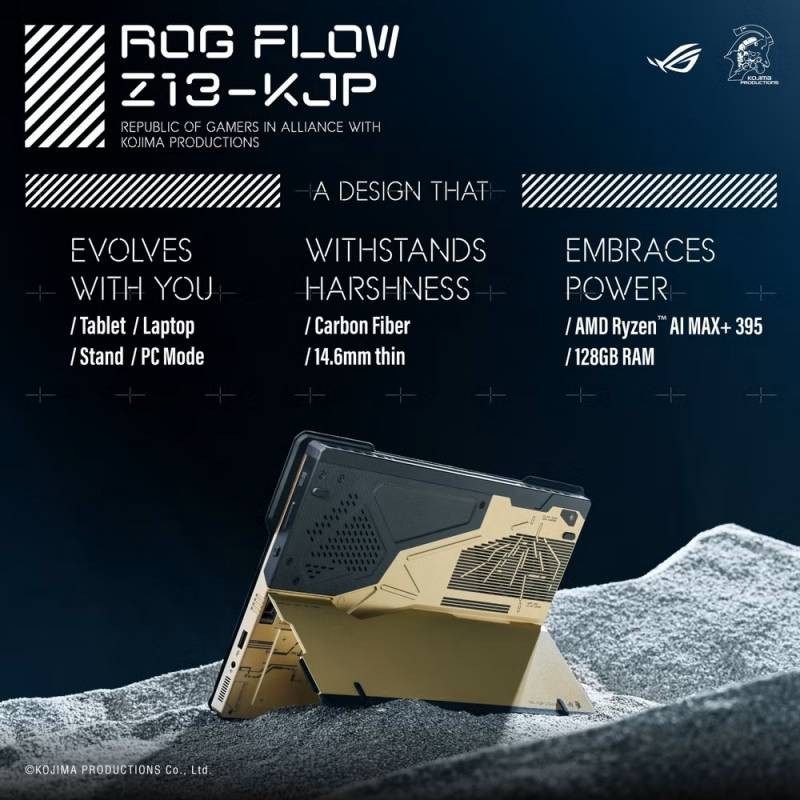

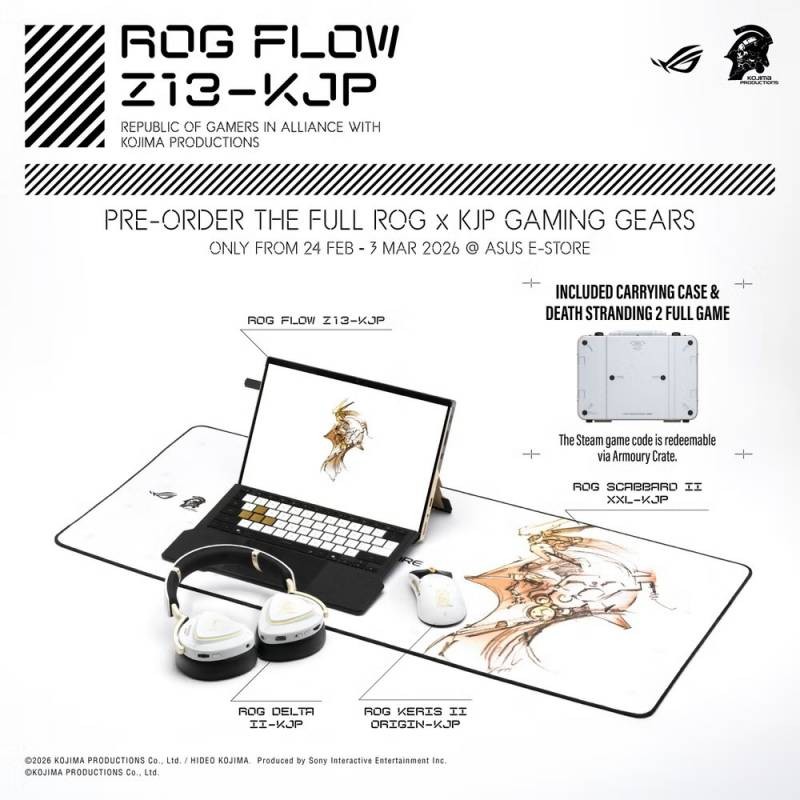
Design and build: a tablet that looks like a collector item
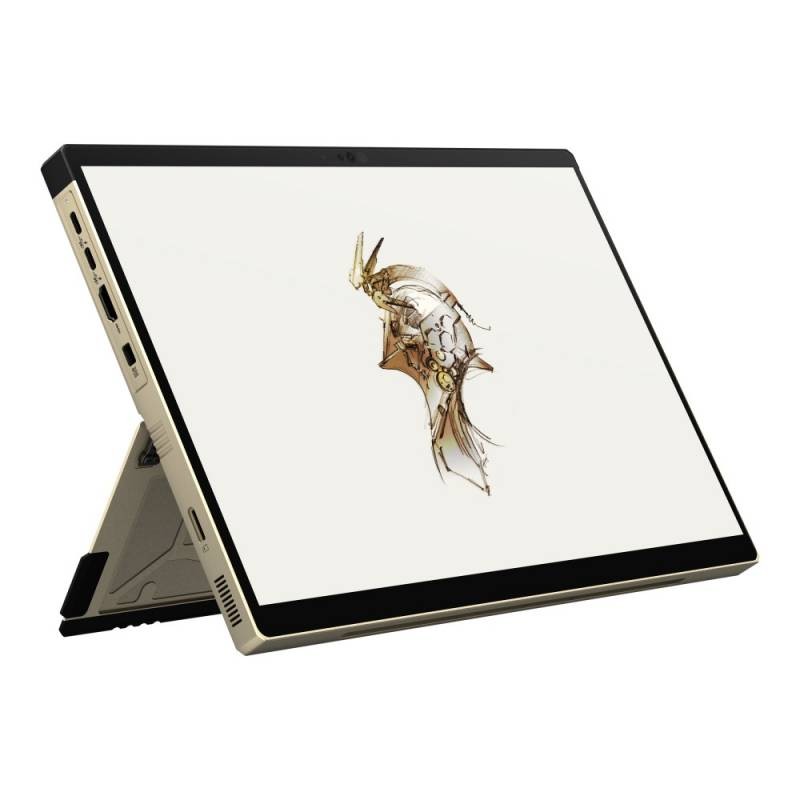
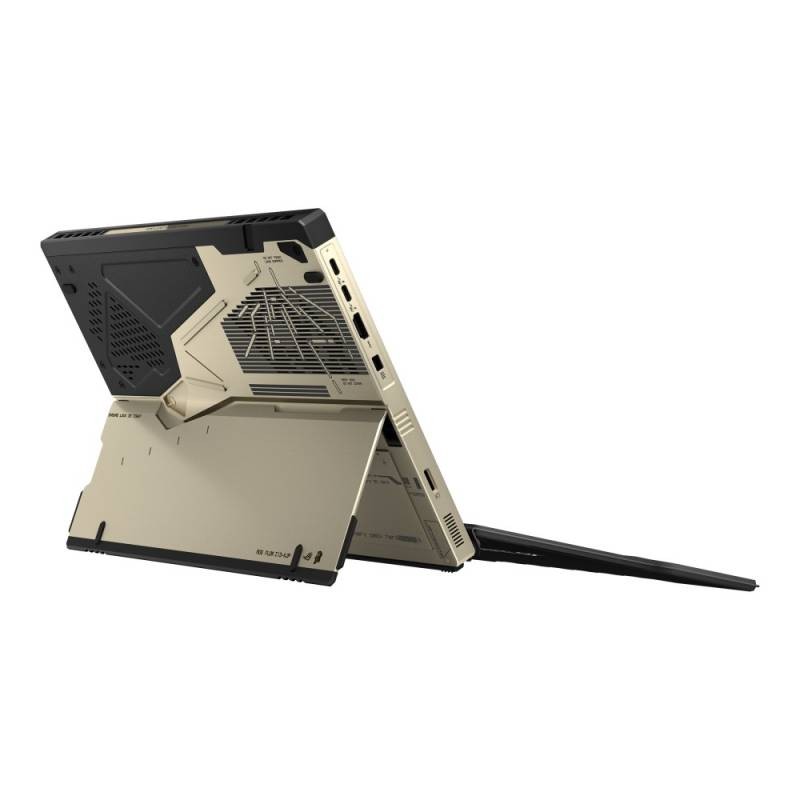
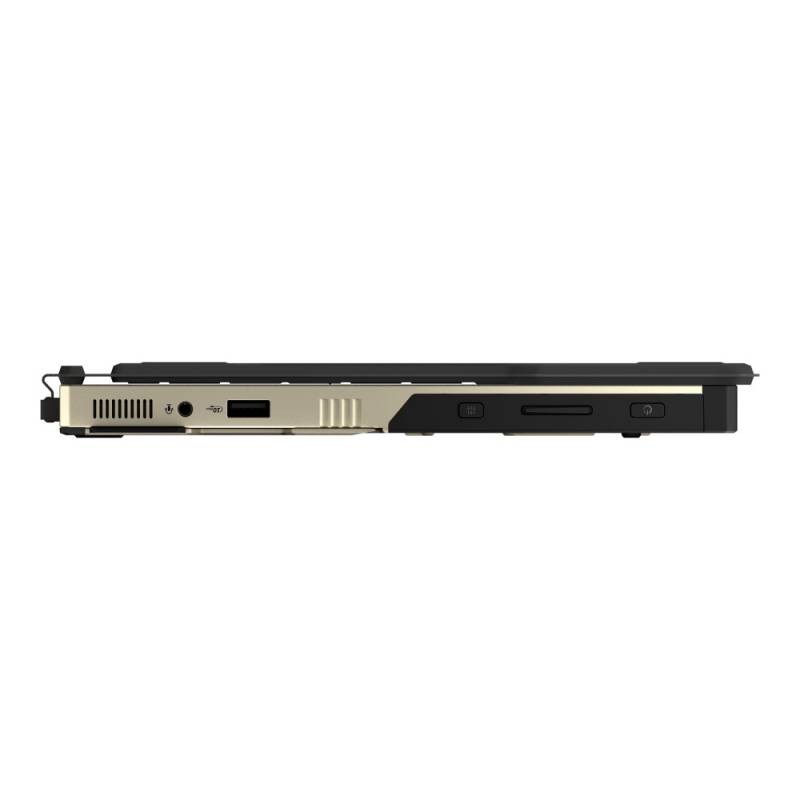
The first thing you notice is that it looks like a concept device that somehow escaped the lab and became a real product. The styling is bold without being messy. It's still a clean rectangle of glass and metal, but it has character.
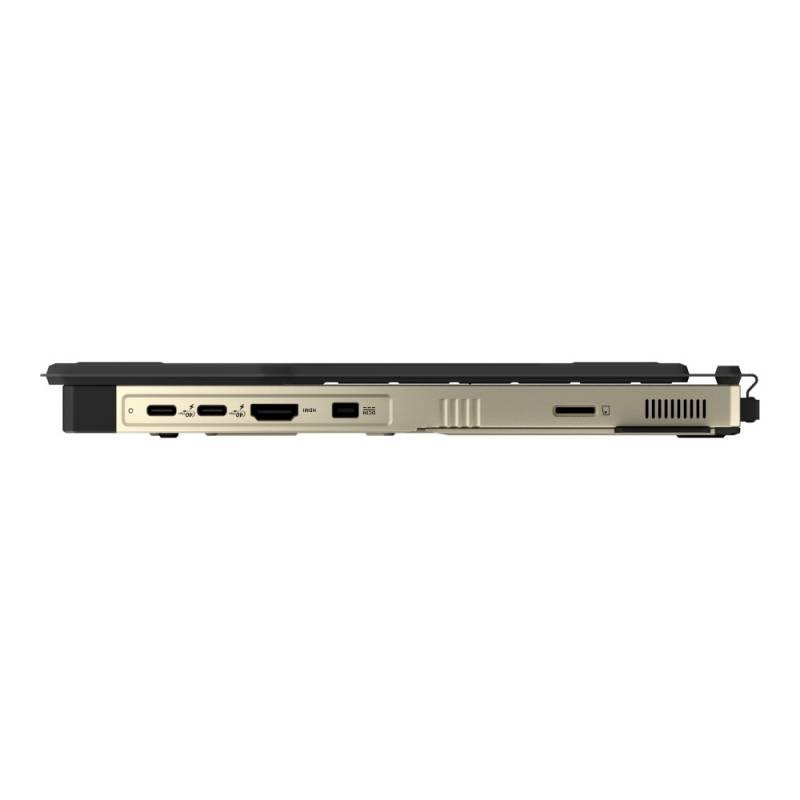
Because it's a tablet-style PC, you also get that "pick it up and walk around" freedom that normal gaming laptops don't offer. The built-in kickstand idea is still one of the best parts of the Z13 concept. You can prop it up anywhere, use it like a mini workstation, or slap it down like a giant Windows handheld (just… heavier and more serious).
Premium tablet builds also tend to feel more "dense" than laptops at the same price, and that's the vibe here: expensive, solid, and intentionally designed.
Display: QHD 180Hz in a tablet is honestly ridiculous (in a good way)
One of the most underrated reasons the Z13 line is popular is the screen. This one goes hard:
• 180Hz refresh rate
• Around 500 nits brightness
• 100% DCI-P3 color coverage
That's a "serious gaming laptop" display spec… in a tablet format. For fast games, 180Hz just makes everything feel snappier. For creative work, the DCI-P3 coverage means you're not stuck in washed-out color land. For general daily use, 500 nits is the difference between "barely ok" and "actually usable" in bright environments.
If you do any mix of gaming, editing, media consumption, and office work, this screen is a real selling point.
Performance: the headline spec is wild, and it's built for heavy multitasking
This edition is marketed around next-gen AMD AI performance. The key highlights being pushed are:
• Dedicated NPU rated at 50 TOPS
• Up to 128GB unified memory
• Advanced cooling with liquid metal
That combination basically screams: "This is not just for gaming." It's also for people who keep 40 Chrome tabs open, run heavy apps, do creative work, and hate waiting for anything to load.
The most interesting part here is the "unified memory" angle, especially at 128GB. In practical terms, that usually means the system has a large shared memory pool that can be allocated flexibly, which can be great for workflows that bounce between CPU-heavy tasks and graphics-accelerated tasks. It's also a big deal for creators who work with large assets, huge timelines, or multiple pro apps at once.
And yes, the AI NPU angle is real in the sense that Windows and many apps are slowly shifting toward on-device AI features. But in 2026, "AI performance" still isn't the main reason most people should buy a device. It's a bonus, not the foundation. The foundation is still raw CPU/GPU capability, thermals, and usability.
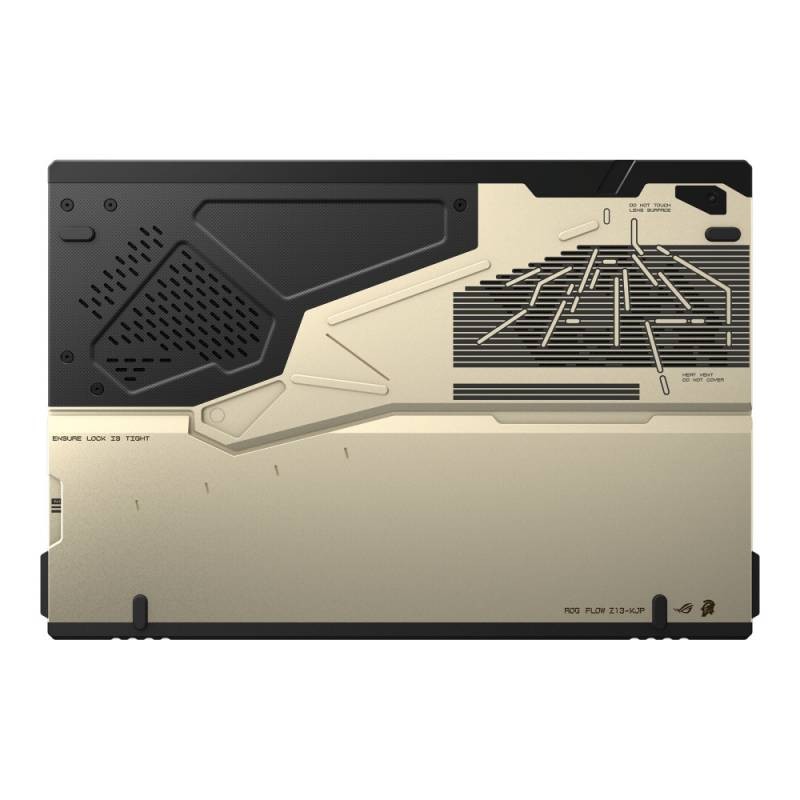
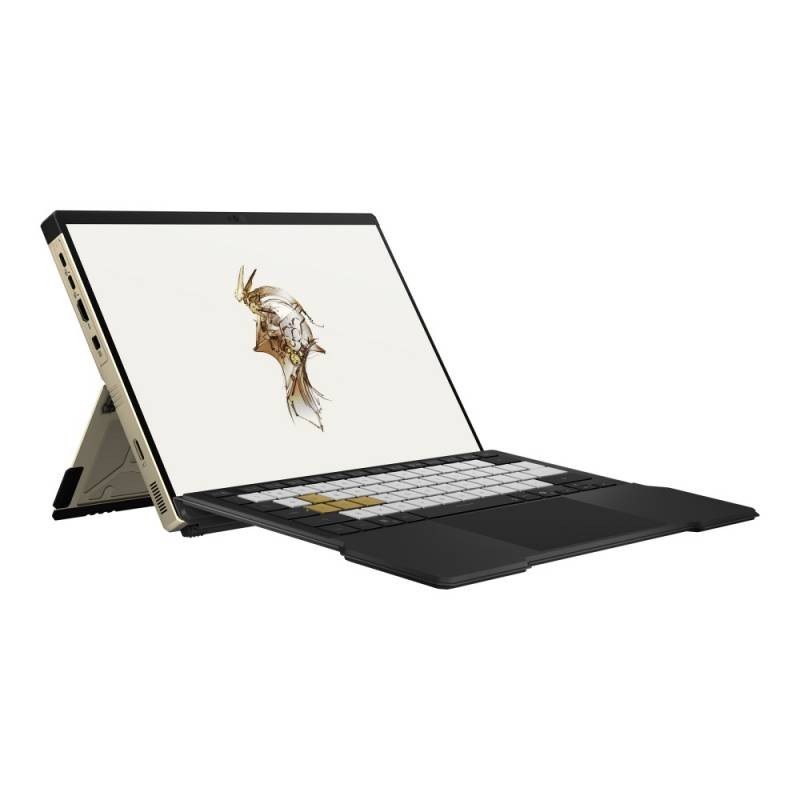
Gaming experience: powerful, but the form factor changes how you play
A tablet gaming PC is a different lifestyle than a laptop gaming PC.
When you dock it with a keyboard and mouse, it feels like a compact desktop setup. When you use it like a handheld… it's not really a handheld, so you'll feel the weight and the heat faster than you would on a Steam Deck-style device.
For gaming, the biggest wins are:
• Enough horsepower for modern titles and demanding workloads
• Great flexibility: desk setup today, couch setup tomorrow
But you also have to accept what comes with the format:
• You're relying on kickstand angles and accessory setup to feel comfortable
• Long gaming sessions won't feel as "set and forget" as a normal laptop
It's absolutely a serious gaming machine, but it rewards people who like modular setups.
Cooling and sustained performance: liquid metal helps, physics still wins
Asus mentions advanced liquid metal cooling, and that's a good sign because thin devices live and die by how well they can move heat.
Still, the laws of reality apply: a thin tablet chassis has less room for airflow and thermal mass than a chunky gaming laptop. What that means in normal human terms:
• Long sustained loads will depend heavily on cooling design and fan tuning
• The device will likely get warm during heavy gaming or rendering
If you're the type who does long video renders, long compiles, or marathon gaming sessions, you'll want to mentally compare this to a thicker performance laptop. The Z13 can be powerful, but it will always be doing that power trick inside a tighter space.
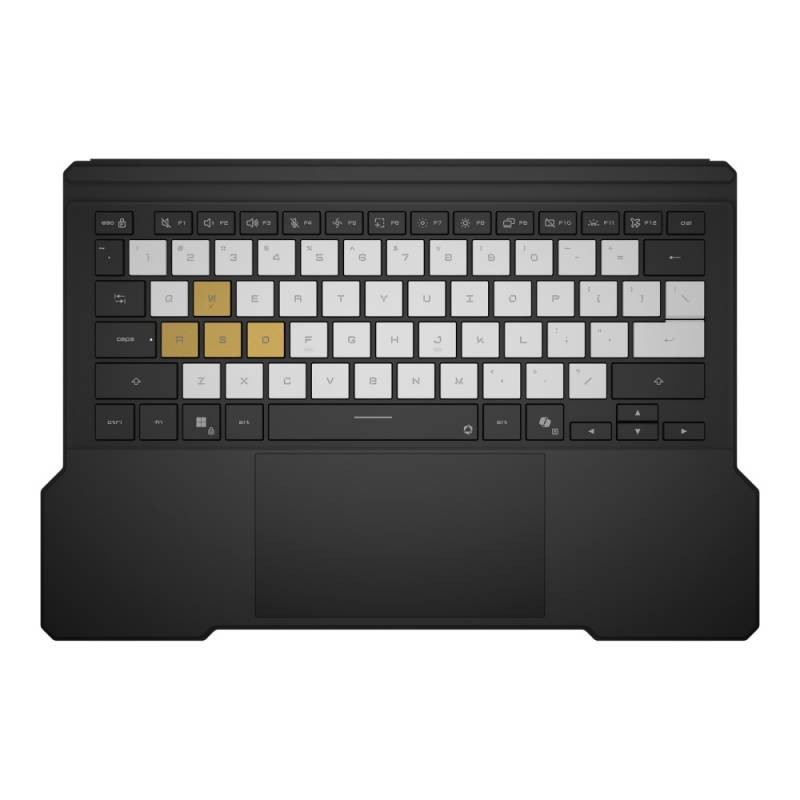
Keyboard, trackpad, and "2-in-1 reality"
This is where 2-in-1 devices always face the same question: do you treat it like a tablet that sometimes becomes a laptop, or a laptop that sometimes becomes a tablet?
If you're expecting "normal laptop comfort," you may need to adjust expectations. Detachable keyboards are improving, but they're still not the same as a rigid laptop base. The typing experience can be great on a desk, but less stable on your lap.
On the other hand, if your daily routine includes moving between rooms, working in different spots, bringing it to meetings, or just wanting a device that adapts to your day, this is where the Z13 format shines.
The KJP Edition premium: the biggest emotional reason to buy it
If we're being honest, most people looking at the KJP Edition are not only shopping for specs. They're shopping for the feeling.
This version exists for people who want their machine to look special, feel special, and stand out from the sea of normal black gaming laptops. And it does that extremely well.
The problem is: feeling special is expensive.
Price reality: RM 17,999 before SST is where my excitement stops
Here's my personal take, exactly as I see it:
I'm also personally tempted to buy it. The concept is cool, the styling is unique, the screen is elite, and the "tablet with real power" idea is still one of the most fun PC categories.
But I'm definitely not buying it at around RM 18k. That price is quite insane, because for similar performance you can usually get a more traditional gaming laptop (or creator laptop) for cheaper, often with better sustained cooling and a more comfortable built-in keyboard setup.
So the real question becomes: are you paying for performance, or are you paying for the form factor and the KJP collector premium? For most people, that premium is the deal-breaker.
Who this is for
This makes sense if you are:
• A gamer who loves compact, flexible setups and doesn't mind accessories
• A creator who values the screen, portability, and high memory capacity
• A Kojima Productions fan who actually wants the limited-edition vibe
• Someone who already owns other machines and wants this as a premium "fun" device
Who should skip it
You should skip it if you are:
• Doing long sustained heavy workloads and want the best thermals
• Wanting a classic "lap-friendly" laptop experience
• Not interested in the KJP design premium
Practical alternatives to consider
If your main goal is performance for the money, you'll usually be happier with:
• A creator-focused laptop if your work is more editing/rendering than gaming
• A standard ROG Flow Z13 variant (non-limited edition) if pricing is more sensible
The KJP Edition is the "I want the special one" choice, not the "best deal" choice.
Final thoughts
The Asus ROG Flow Z13 KJP Edition is one of those products that proves Asus can still make the PC world feel exciting. The display is top-tier, the performance specs are absurd for a tablet, and the whole concept of "serious gaming Windows tablet" is still uniquely fun.
But that RM 17,999 before SST price is the kind of number that turns a practical purchase into an emotional one. For me, it's the best 2-in-1 Windows tablet right now, and I'm absolutely tempted. I just can't justify paying nearly RM 18k when similar performance can be had for less in a more conventional form factor.
If you're buying it for the experience, the design, and the novelty of a premium, limited-feel Windows powerhouse tablet, you'll probably love it. If you're buying it with your "value brain" turned on, your wallet is going to start arguing with you… loudly.











Comments 0