


If you are planning to get married in the coming years, there is one more thing you will likely need to prepare for, and it has nothing to do with venues or guest lists. The government has confirmed that MyDigital ID will soon be required for marriage registrations, signalling a major shift in how one of life's most important milestones is handled.
While MyDigital ID is not yet mandatory, its integration into marriage registration services marks a clear turning point. Once implemented, couples will no longer be able to complete the process without a verified digital identity.
Marriage Registration Enters the Digital Era
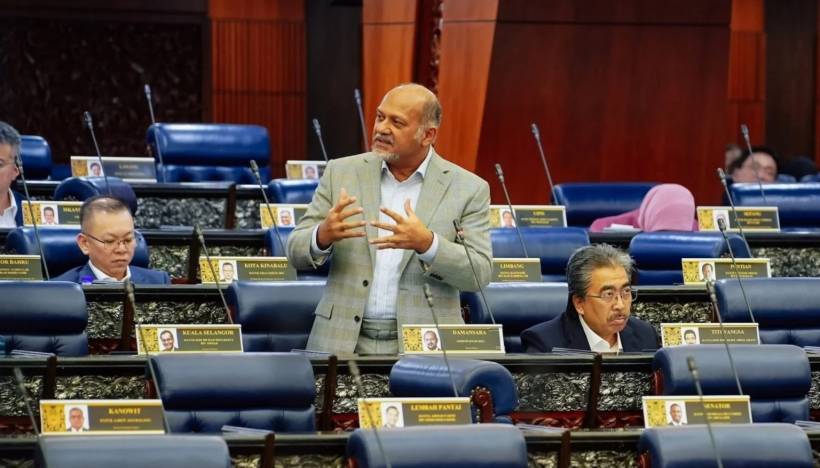
According to Digital Minister Gobind Singh Deo, MyDigital ID will be progressively embedded into key government services starting next year. Marriage registration is among the first group of high-impact services identified, alongside passport renewals and death certificates.
This means future marriage registrations will rely on digital identity verification rather than traditional paperwork and manual checks. For couples, this could translate into faster processing, fewer in-person visits, and a more streamlined experience overall.
Why Marriage Is a Priority Use Case
Marriage registration is a service almost every Malaysian will use at some point, which makes it an ideal starting point for wider MyDigital ID adoption. By integrating the platform into such a high-traffic and emotionally significant service, the government ensures that MyDigital ID becomes relevant rather than optional.
Instead of forcing Malaysians to sign up, the strategy is to embed MyDigital ID into essential life events. If you want to register your marriage, having a MyDigital ID will simply be part of the process.
What Couples Can Expect Going Forward
Once MyDigital ID is fully integrated, couples registering their marriage will need to verify their identities digitally before proceeding. This helps ensure that records are accurate, identities are properly authenticated, and potential fraud or impersonation is reduced.
While exact workflows have not yet been detailed, the long-term goal is clear. Marriage registration, like many other services, will move toward a single sign-on model tied to MyDigital ID.
Beyond Marriage: Other Services Affected
Although marriage registration is a major focus, it is only one part of a much larger rollout. MyDigital ID will also be required for services such as passport renewals, police summons checks, Road Transport Department services, government payments, public housing applications, and financial aid.
In addition, MyDigital ID will serve as the secure login method for major government apps such as MyJPJ and MyBayar PDRM, reducing the need for multiple accounts and passwords.
Adoption Is Already Gaining Momentum
As of early December, around 6.36 million Malaysians have registered for MyDigital ID, with roughly 50,000 new sign-ups recorded daily. These numbers are expected to rise sharply as marriage registrations and other essential services begin requiring the platform.
The government aims to have 95 percent of federal government services fully online by 2030, with MyDigital ID acting as the central verification layer.
Addressing Privacy and Security Concerns
Given the sensitivity of marriage records and personal information, security remains a key concern. According to the minister, MyDigital ID functions purely as a verification and authentication system.
It cryptographically links a user's digital identity to existing records through a one-time process. Importantly, it does not store personal data or track user activity, helping to reduce the risk of misuse or surveillance.
A New Requirement for a Life-Changing Moment
For couples planning to tie the knot, MyDigital ID is set to become a new administrative requirement alongside marriage courses, documentation, and registration appointments.
While the change may feel subtle at first, it represents a broader shift in how life events are managed in a digital-first Malaysia. For many, registering for MyDigital ID will soon be less about choice, and more about readiness for the next chapter of life.











Comments 0