

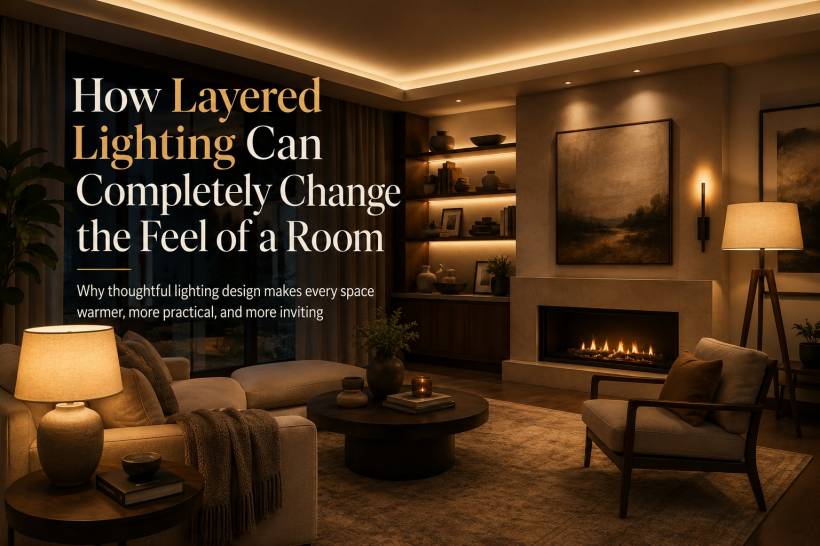
Lighting is one of those design elements that people often notice only when it is wrong. A room can have beautiful furniture, carefully chosen colors, and expensive finishes, but if the lighting feels flat, harsh, or poorly placed, the entire space can lose its warmth. Good lighting does more than simply make a room brighter. It shapes the atmosphere, guides attention, supports daily activities, and helps a home feel more complete.
This is why layered lighting is such an important part of interior design. Instead of depending on one ceiling light to do everything, a well-designed room uses several types of lighting together. Ceiling lights, wall lights, floor lamps, table lamps, accent lights, and decorative fixtures all play different roles. When they are planned properly, they help a room feel practical during the day, relaxed in the evening, and visually interesting at any time.
Why One Light Source Is Usually Not Enough
Many homes rely too heavily on a single overhead light. While this may provide basic brightness, it often creates a flat and sometimes uncomfortable effect. A bright ceiling light can be useful when cleaning, organising, or moving around the room, but it may feel too strong when you are trying to relax. On the other hand, a small lamp may create a cosy corner, but it cannot light the entire room properly.
Layered lighting solves this problem by giving the room more flexibility. Instead of forcing one light source to serve every purpose, each layer contributes something different. Some lights provide general brightness, some support specific tasks, and others add depth, texture, and mood. The result is a space that feels more natural and easier to live in.
A good lighting plan should allow the room to shift throughout the day. Morning lighting may need to feel clear and fresh, while evening lighting should feel softer and calmer. With layered lighting, a room can adapt to different moments without needing major changes.
Start by Understanding the Purpose of the Room
Before choosing any fixture, it is important to think about how the room is actually used. A living room may need lighting for reading, conversations, watching television, or entertaining guests. A dining room may need a focused glow over the table, with softer lighting around the walls to create atmosphere. A bedroom may need bedside lamps, wardrobe lighting, and gentle evening lighting that does not feel too harsh before sleep.
When the purpose of the room is clear, the lighting choices become much easier. You can place brightness where it is needed most and avoid over-lighting areas that should feel calm. This also helps prevent a common mistake, which is making every part of the room equally bright. A well-lit room does not mean every corner must shine at the same intensity. It means the lighting supports the way the space is used.
Thinking about purpose also makes the room feel more personal. A reading lamp beside a favourite chair, a soft lamp near the sofa, or a warm glow in the entryway all tell a quiet story about how people live in the home.
Ambient Lighting Sets the Foundation
Ambient lighting is the main layer of light in a room. It usually comes from ceiling fixtures, recessed lights, pendant lights, chandeliers, or large floor lamps. This is the lighting that helps people move around safely and gives the room its general level of brightness.
However, ambient lighting should not feel harsh or lifeless. A room that depends only on one overhead fixture can create strong shadows and make the space feel cold. To avoid this, ambient lighting should be softened with warm bulbs, dimmers, and supporting light sources at different heights.
Think of ambient lighting as the foundation of the room. It gives the space structure, but it should not be the only thing carrying the design. Once the general brightness is in place, other layers can bring warmth, focus, and personality.
Task Lighting Makes the Room More Practical
Task lighting is designed for specific activities. A desk lamp helps with work. A bedside lamp supports reading. A kitchen under-cabinet light makes food preparation easier and safer. A floor lamp next to a lounge chair can turn an empty corner into a comfortable reading spot.
The key to good task lighting is placement. It should be close enough to be useful but not so bright that it causes glare. A task light should make the activity easier without disturbing the rest of the room. This is especially important in shared spaces, where one person may be reading while another is watching television or relaxing.
Task lighting also helps define smaller zones within a larger room. A lamp beside a chair, for example, creates a visual invitation. It tells you that the area is meant for sitting, reading, or slowing down. This small detail can make a room feel more thoughtful and welcoming.
Accent Lighting Adds Depth and Character
Accent lighting is where a room begins to feel more layered and designed. This type of lighting is not mainly about brightness. It is about drawing attention to certain details, such as artwork, shelving, textured walls, architectural features, or decorative objects.
A soft light directed at a painting, a wall sconce near a hallway feature, or a small lamp on a console table can add quiet drama. These lights give the eye something to follow and help the room feel more dimensional. Without accent lighting, even a nicely decorated room can sometimes feel flat.
Accent lighting can also change how large or open a room feels. Lighting the edges, corners, or vertical surfaces can make the space appear wider and more inviting. It is a subtle technique, but it can make a big difference in how the room is experienced.
Height and Placement Matter More Than People Realise
One of the strongest benefits of layered lighting is that it brings light to different levels. Ceiling lights shine from above, table lamps bring light closer to eye level, floor lamps add vertical interest, and wall lights create rhythm across the room.
When all the light comes from the ceiling, the space can feel one-dimensional. When light appears at several heights, the room feels fuller, warmer, and more comfortable. This is why table lamps and floor lamps are not just decorative extras. They are important tools for balancing the room.
Placement should also be intentional. A lamp on a side table can anchor a seating area. A pair of lamps on a console can create symmetry. A pendant above a dining table can mark the centre of the room. Good lighting placement helps organise the space visually, even before furniture or decoration is considered.
Fixtures Should Be Chosen as Part of the Design
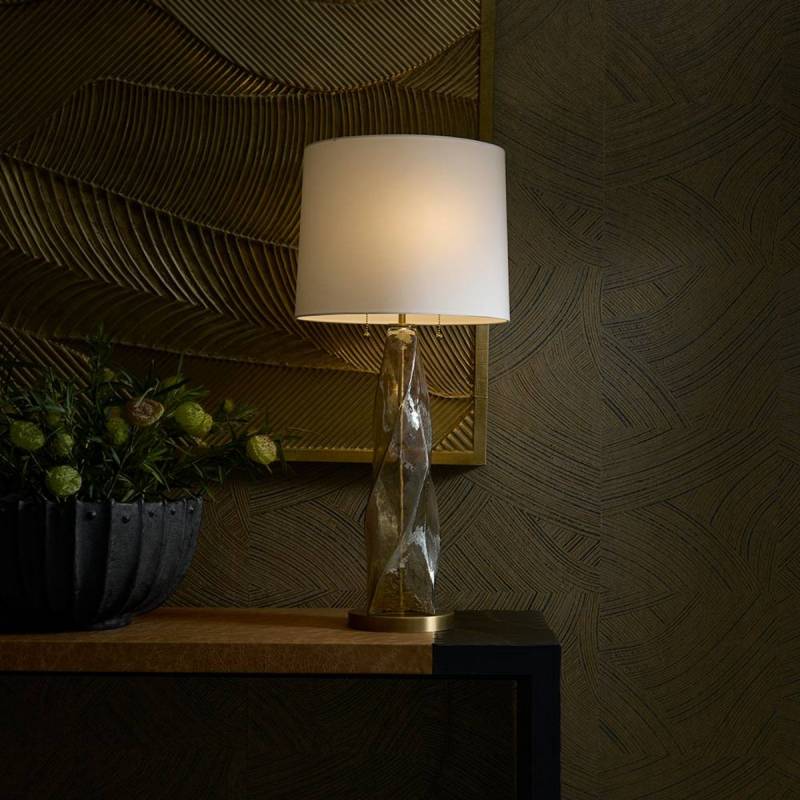
Lighting fixtures are functional, but they are also design objects. A lamp can add shape, texture, colour, and personality to a room. A ceramic base can bring warmth. A metal finish can add refinement. A glass fixture can feel light and elegant. A fabric shade can soften the overall mood.
This is why choosing lighting should not be treated as an afterthought. The right fixture can strengthen the room's design direction. Clean lines may suit a modern interior, while curved forms can make a space feel softer. Natural materials can create a relaxed mood, while polished finishes can make a room feel more formal.
A well-chosen lamp or wall light can sometimes do as much for a room as a piece of artwork. It adds visual interest while still serving a practical purpose.
The Bulb Is Just as Important as the Fixture
Even the most beautiful fixture can feel wrong if the bulb temperature is not suitable. Warm white bulbs usually work best in living rooms, bedrooms, dining rooms, and entryways because they create a relaxed and welcoming feel. Cooler light can be useful in certain work areas, but in living spaces it may feel too sharp, especially at night.
Bulb temperature also affects how colours and materials appear. Wood, fabric, paint, and skin tones can all look different depending on the light source. A wall colour that looks beautiful in daylight may look dull or cold under the wrong bulb.
Dimmers are especially useful because they give the room more control. A space can be bright and practical during the day, then softer and more atmospheric in the evening. This flexibility is one of the easiest ways to make lighting feel more refined.
Lighting Can Bring Out Texture and Colour
Good lighting helps materials show their best qualities. A woven lampshade, textured wall, velvet chair, stone surface, or wooden cabinet can look much richer when light falls across it in the right way. Instead of simply making things visible, lighting can reveal depth and detail.
This is especially important in rooms with natural materials or layered textures. Soft lighting can highlight these surfaces without making them feel harsh. It can also help connect different design elements, allowing furniture, colour, and accessories to feel more cohesive.
In this sense, lighting does not compete with the room's design. It supports it. It helps everything else look more intentional.
Small Lighting Moments Make a Home Feel Warmer
Not every lighting choice needs to be dramatic. Some of the most effective lighting moments are small and simple. A lamp on a shelf, a gentle glow beside the sofa, or a soft light in the entryway can make a home feel cared for.
These smaller light sources are especially useful in the evening. You may not want every ceiling light turned on at night. A few lower, warmer lights can provide enough brightness while still keeping the atmosphere calm. This makes the home feel more peaceful and comfortable.
Small lighting moments also help guide people through the space. They create visual pauses and make the room feel more lived-in.
Balance Is the Key to Good Layered Lighting
Layered lighting should feel thoughtful, not crowded. Adding too many fixtures can make a room feel busy, while using too few can make it feel unfinished. The goal is to give every light a clear purpose.
A good way to plan lighting is to look at the room as a whole. Notice where the dark corners are. Think about where people sit, read, work, eat, or relax. Look at the areas that deserve attention, such as artwork, shelves, or architectural details. Then choose lighting that solves those needs while also adding beauty.
When lighting is planned properly, it becomes one of the strongest design features in the home. It supports daily routines, improves comfort, adds depth, and helps every room move naturally from day to night.
Final Thoughts
Layered lighting is not about filling a room with as many fixtures as possible. It is about creating balance, flexibility, and mood. Each light source should contribute something useful, whether it is general brightness, focused support, visual depth, or a quiet sense of warmth.
A room with good lighting feels easier to use and more enjoyable to spend time in. It can feel bright when needed, soft when the day slows down, and visually complete without feeling forced. In many ways, lighting is what turns a decorated room into a truly comfortable living space.











Comments 0