

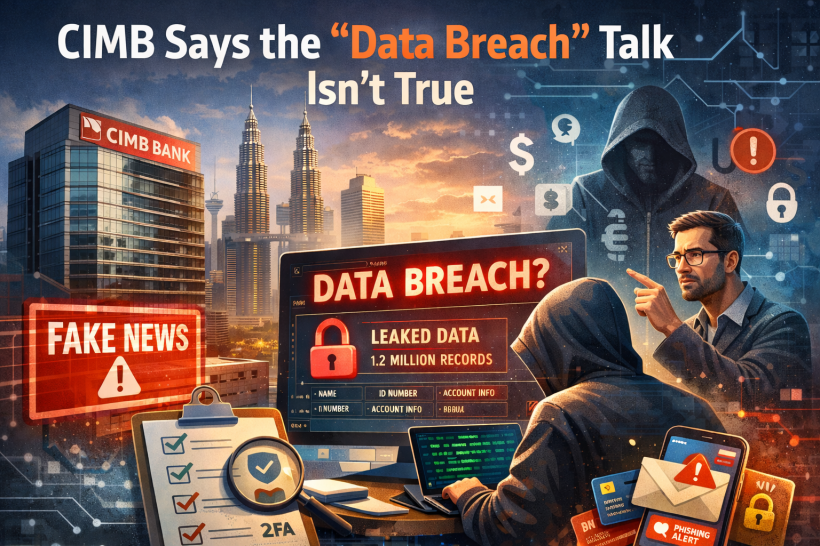
If you spend any time on social media, you've probably noticed how fast cybersecurity rumours can spread. One dramatic post turns into a thread, then screenshots start flying around, and suddenly people are convinced a major company has been hacked.
That's basically what happened here. CIMB has come out to reject recent online claims that the bank suffered a data breach, saying the allegations are false and that customer data is still protected.
What CIMB Actually Said
CIMB responded publicly on X, explaining that its security teams reviewed the situation and confirmed its systems are secure. In other words, the bank's message is simple: there is no breach on their end, and customer data has not been exposed.
When a bank makes a statement like this, it's usually because the rumour has grown big enough to worry customers, even if the underlying claim doesn't hold up.
Where the Allegation Came From
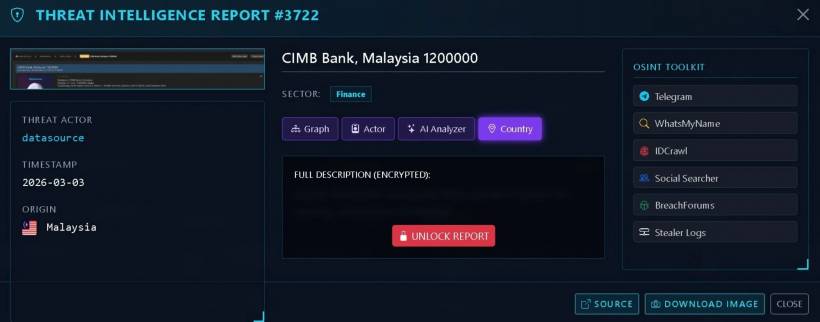
The story started with posts describing a "high-risk cybersecurity incident" supposedly aimed at Malaysia's financial sector. The rumour then narrowed in on CIMB, suggesting customer data had been compromised.
The claims went further by describing an alleged dataset of around 1.2 million unique records. According to the posts, it supposedly included sensitive details like identification information, full names, and financial data. That kind of description is exactly what makes these rumours feel urgent, because it sounds specific, and specific details can create the illusion of credibility.
Why Some Experts Think the Leak Doesn't Add Up
A local cybersecurity consultant publicly questioned the authenticity of the alleged leak. Their view was that the "sample" data being shown didn't look like something freshly stolen from a new breach. Instead, it resembled information that may have been collected from older, unrelated leaks and stitched together.
They also pointed out something else that matters in these situations: the person behind the claim doesn't appear to have a known history or track record. In breach-land, reputation doesn't make someone trustworthy, but a complete lack of history can be a red flag when paired with big, dramatic claims.
The Amplifier Problem: When "Cybersecurity Brands" Fuel the Panic
Another part of the consultant's criticism was aimed at the party that helped spread the allegation, which was presenting itself as a cybersecurity company. The consultant suggested the messaging looked more like fear marketing than responsible reporting, possibly exaggerating the threat to attract attention or promote services.
This is one of the messiest parts of modern cybersecurity news. There are real researchers who publish careful analysis, but there are also accounts that thrive on panic. And panic spreads faster than nuance every single time.
Why Breach Claims Keep Going Viral
The uncomfortable truth is that data breach stories are easy to believe because breaches really do happen. So when a rumour appears, people don't start from "this is impossible." They start from "this could be real," and then they share it to warn friends and family.
But online breach claims often fall into a few common buckets:
In many cases, what looks like a fresh breach turns out to be recycled data, mislabelled screenshots, or a mix of records from different sources.
What You Should Do as a Customer (Without Panicking)
Even if this particular claim is false, it's still a good moment to do the basics that help in any situation:
• Avoid clicking links from unexpected messages, even if they mention a "breach"
• Use strong, unique passwords and enable MFA where possible
• Watch for unusual account activity and report anything suspicious through official channels
The key is staying alert without treating every viral post like confirmed truth.
Final Thoughts
CIMB's position is clear: the bank says it has not suffered a data breach and that the circulating claims are false. At the same time, the wider lesson is worth keeping. Cybersecurity rumours can look convincing, especially when numbers and "sample data" are thrown around, but those details don't automatically equal proof.
A calm approach works best: take claims seriously enough to tighten your personal security habits, but stay skeptical until there's credible verification.











Comments 0