

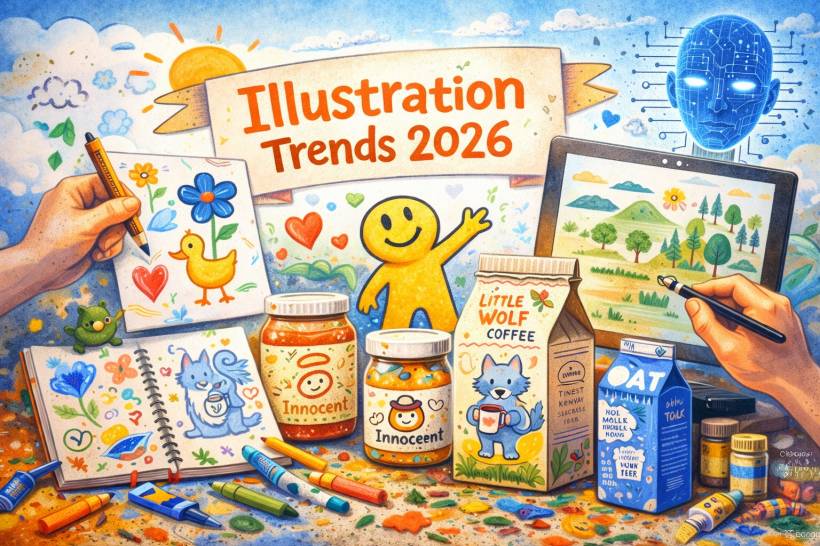
As AI floods our screens with perfectly polished visuals, something fascinating is happening in the world of illustration. Creatives are pushing back. Instead of chasing flawless digital precision, many illustrators are deliberately leaning into humanity — embracing rough lines, awkward charm, emotional storytelling and unmistakably hand-made energy.
After speaking with designers, branding specialists and creative leads, a clear pattern is emerging: the future of illustration isn't about perfection. It's about warmth, honesty and the beautiful messiness only humans can bring.
Here are the illustration trends expected to define 2026 — and why they matter.
1. Playful, Childlike Energy Is Back
In 2026, expect to see brands proudly colouring outside the lines.
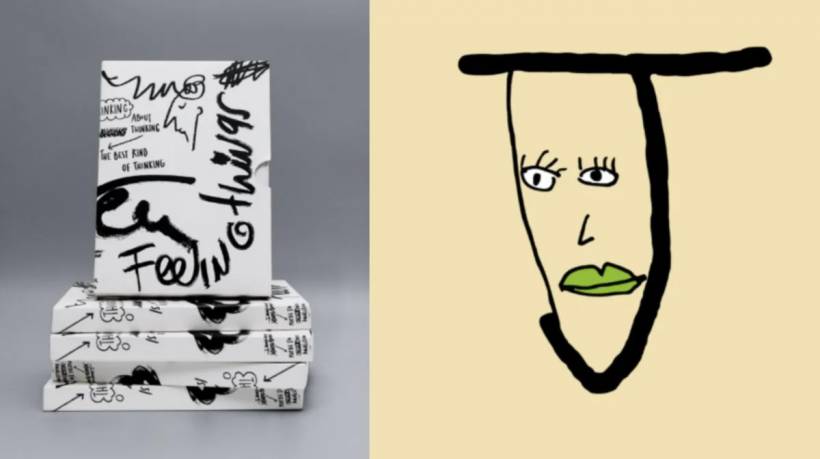
Designers predict a big rise in naive, playful visual styles — the kind that look like they were scribbled joyfully rather than engineered in software. These illustrations feel warm, tactile and refreshingly imperfect. Instead of corporate stiffness, they radiate personality.
Think crayon-style marks, uneven textures, lively doodles and illustrations that feel like they were drawn quickly because someone was excited, not because they were careless.
It's intentional imperfection — and it signals humanity, care and charm.
2. The Return of Hand-Drawn Everything
Hand-drawn illustration isn't just back; it's becoming a strategic design tool.
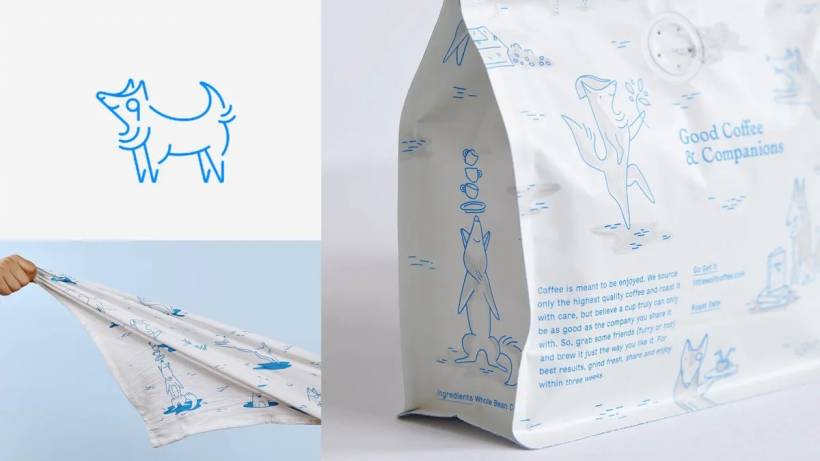
Brands are rediscovering the power of doodles, sketch-like textures and organic lines. These visuals stand out in crowded digital spaces, feel more trustworthy and work especially well for food, wellness, sustainability and lifestyle brands.
They also scale beautifully — from packaging to social media to websites — meaning they're not just emotional, but practical too.
Even traditionally serious brands are warming up to this approach, using human illustrations to soften their tone and connect more genuinely with audiences.
3. Fun Is a Serious Design Strategy
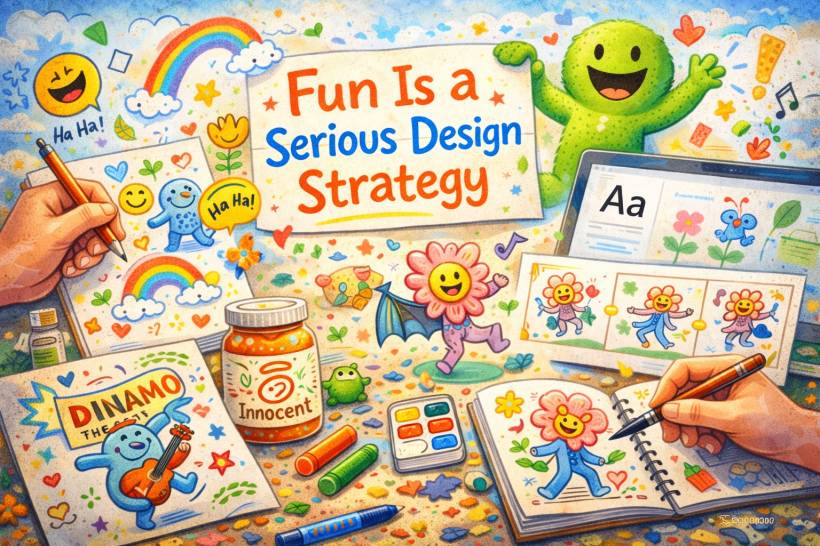
Another big theme for 2026? Lightness. Joy. A sense of humour.
More designers are intentionally building in playfulness — mixing rough drawings with sleek digital layouts, adding quirky storytelling moments, using animation to exaggerate movement and embracing illustrations that feel alive rather than static.
In a world that sometimes feels mechanical and overwhelming, fun illustration reminds us that creativity can still make us smile.

4. Authenticity Over Perfection
A powerful shift is happening: illustrators are choosing emotional honesty over technical "flawlessness."
This isn't about being amateurish — it's about valuing sincerity, character and emotional connection. Illustrations that feel raw, heartfelt and genuinely human are gaining traction, whether they come from professional studios or collaborative creative projects celebrating diverse artistic voices.
In short, people want art that feels real.
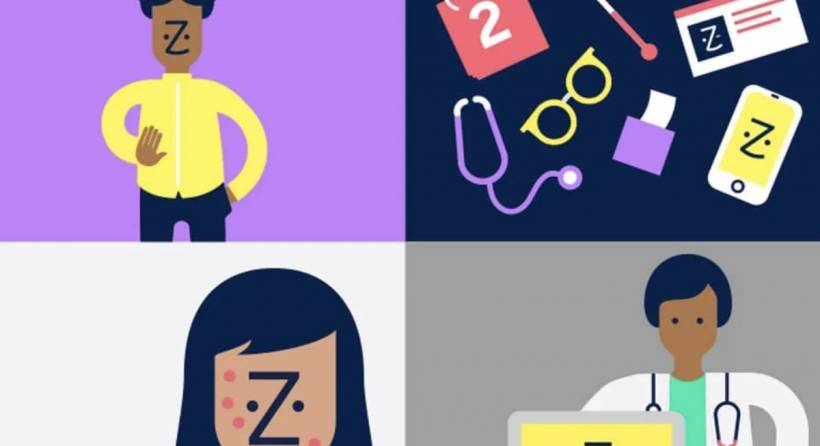
5. Quiet Graphic Minimalism as the Counter-Trend
Interestingly, not every 2026 trend is loud or chaotic.
On the other side of the spectrum, we're seeing a rise in calm, stripped-back illustration styles. Simple line work, flat shapes, thoughtful white space and restrained colour palettes combine to create visuals that feel premium, clear and modern.
This style works brilliantly for digital products, outdoor brands, healthcare platforms and lifestyle applications — anywhere clarity, accessibility and instant readability matter.
In an overstimulated world, visual breathing room feels revolutionary.
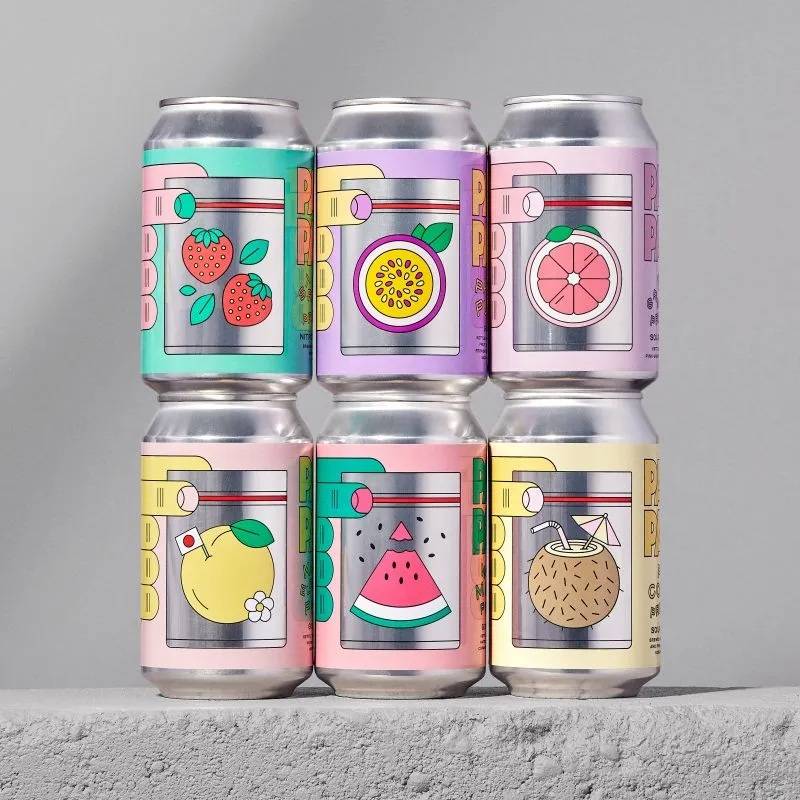
6. Packaging That Tells Stories
Minimal packaging design is slowly giving way to packaging that feels like a narrative experience.
Illustrated labels are becoming storybook-like — filled with characters, environments, personality and meaning. Instead of being purely decorative, these illustrations help shoppers emotionally connect to what they're buying.
They communicate heritage, care, creativity and brand values in a single glance, while also performing brilliantly on social media and digital platforms.
In a market flooded with choices, story-driven visuals help products feel memorable and special.
The Bigger Picture: Illustration Reclaims Its Humanity
If there's one message tying all these trends together, it's this:
Illustration in 2026 is deeply, proudly human.
Whether through joyful chaos, emotional sincerity, calm simplicity or storytelling richness, illustrators are proving that what sets people apart from machines is not technical output — it's heart, humour, imperfection, texture and empathy.
And that human touch is becoming more valuable than ever.











Comments 0