

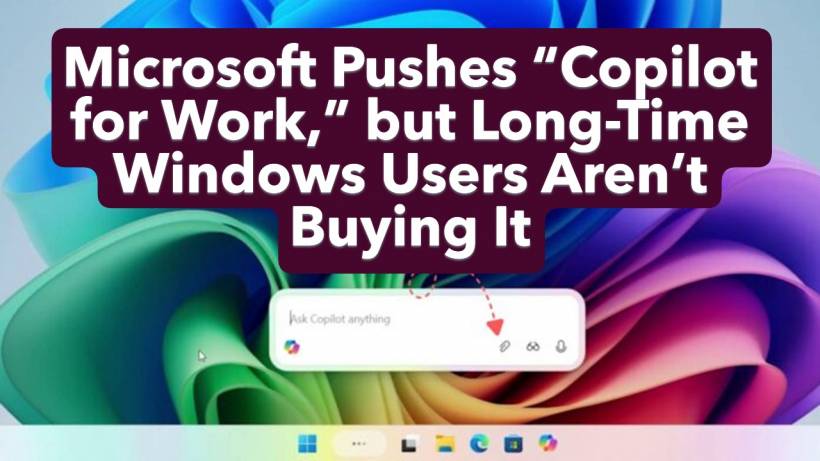
Microsoft has been doubling down on its Copilot ambitions, promoting the AI assistant as an essential companion for productivity and workplace efficiency. But if the reaction on social media is any indication, the company may have seriously misread the room. Instead of excitement, Microsoft's latest marketing push for "Copilot for work" in Edge and Windows 11 was met with a wave of frustration, sarcasm, and outright rejection—mostly from long-time Windows users who feel the tech giant is force-feeding AI features no one asked for.
So, what went wrong? And why are users reacting so strongly?
The Big Claim: "You Asked for Copilot at Work"
According to Microsoft's messaging, the company is expanding Copilot integration because it "heard" that users want AI tools built directly into their work environment. This narrative hasn't landed well. Many Windows veterans argue they never requested it, and some have gone as far as telling the company to stop treating them like children who need a digital helper on every screen.
The disappointment is less about AI itself and more about how aggressively Microsoft seems to be inserting it into products—often becoming the default experience rather than an optional tool.
Edge Puts Copilot Mode Front and Center
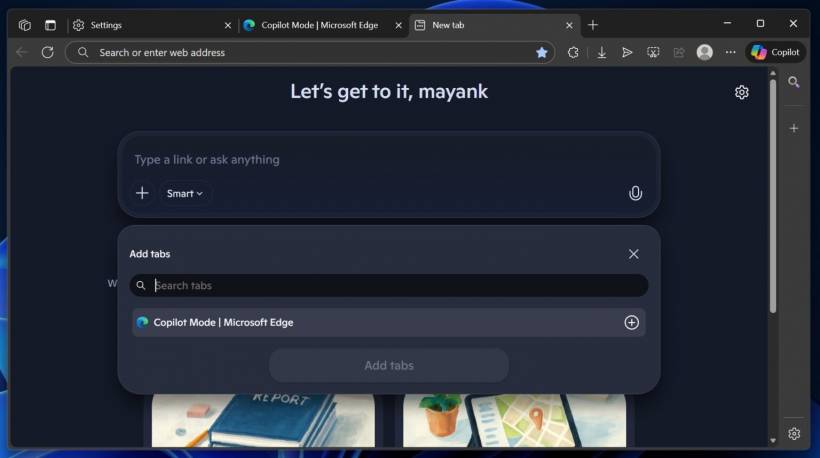
The heart of the controversy lies in Microsoft Edge. Copilot Mode has now become the star feature, pushed as the new standard browsing experience. For those unfamiliar, Copilot Mode works similarly to AI browsing assistants like ChatGPT's Atlas or Perplexity's Comet. It's designed to take over tasks on behalf of the user, from drafting content to booking travel arrangements.
In theory, it sounds helpful. In practice, many users say they feel forced into a workflow they didn't choose.
While Copilot Mode can be switched off through settings, Microsoft hasn't made that option particularly prominent. And according to the reaction online, users are irritated that the company keeps marketing these features as if the public demanded them.
A Wave of Backlash from Everyday Users and IT Professionals
When Microsoft posted about "safe-for-work AI browsing" on X, the replies flooded with criticism. Many responses accused the company of being out of touch with actual user needs.
Several recurring themes emerged:
Users pushed back on Microsoft's "we heard you" claim, saying they want control—not AI injected into every tool.
Some users insisted that the real demand is for a way to disable Copilot across Windows and Edge, citing concerns over clutter, performance, and accuracy.
Veteran Windows administrators shared that they don't know a single professional who requested Copilot inside Windows itself, calling Microsoft out for working inside an "echo chamber."
Users noticed the company's social team replying mostly to positive comments while ignoring the sea of complaints.
Microsoft's Justification: AI Agents Will "Crush Repetitive Tasks"
To defend the new direction, Microsoft highlighted that "Agent Mode" in Edge can automate multi-step tasks and process information across multiple tabs. The company even showcased features like multi-tab reasoning, promising users they can summarize, analyze, and create content all in one place.
Critics, however, point out that AI agents still struggle with accuracy. They warn that hallucinations and confidently wrong answers make these tools unreliable for serious or sensitive tasks. Interestingly, Microsoft also plans to hide the "AI can make mistakes" disclaimer because users found the alert distracting.
A Pattern of Disconnect Between Microsoft and Its Users
This isn't the first time Microsoft has faced backlash over AI integration. In fact, dissatisfaction has been building since Windows began pivoting towards agent-like features. At one point, the Windows chief even had to lock replies on his posts after receiving overwhelming criticism about the direction of Windows 11.
Yet, instead of slowing down, Microsoft recently announced plans to bring AI agents directly to the taskbar—one of the most visible spaces in the entire OS.
Statements from Microsoft AI CEO Mustafa Suleyman didn't help either. In a separate post, he expressed confusion over why some people find AI underwhelming, comparing the AI revolution to the era of playing Snake on a Nokia phone. His comments came at a time when many users were asking Microsoft to prioritize stability, performance, and user choice over flashy AI experiments.
The Road Ahead for Windows 11 and AI Integration
Microsoft continues to insist that Windows 11 will become a powerful "canvas for AI," while simultaneously promising improvements in reliability and design consistency. The company says it is listening to feedback, but users remain skeptical—especially as AI continues to take up increasingly prominent positions in the OS.
For now, the tension remains: Microsoft is pushing hard into its AI future, but a significant portion of its user base feels unheard, overwhelmed, and frustrated by the pace and manner of these changes.











Comments 0